Reference library
Stats, equipment, materials, adaptation records, and other factual companion pages. Looking for something to read? Browse the articles.
MATCHING FEATURES

One PieceLuffy’s hat is more than a keepsake: it gives a child’s ambition a history, a witness, and a concrete shape. Its place in his first steps toward the sea shows how a promise can travel with its bearer.
Character analysis · 3 min 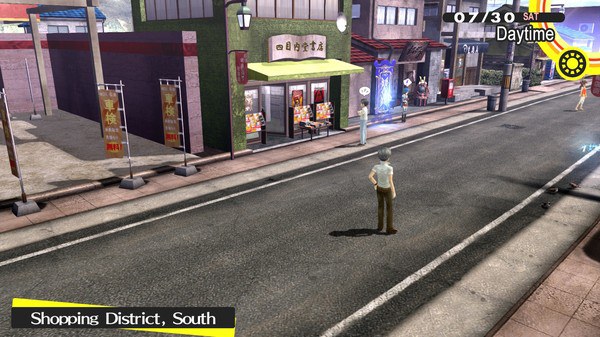
Persona 4 GoldenInaba’s close-knit routines turn a string of unsettling events into a disturbance felt across ordinary life. The town’s school, shops, homes, and uncanny television world make the mystery intimate before it becomes explainable.
Story analysis · 3 min 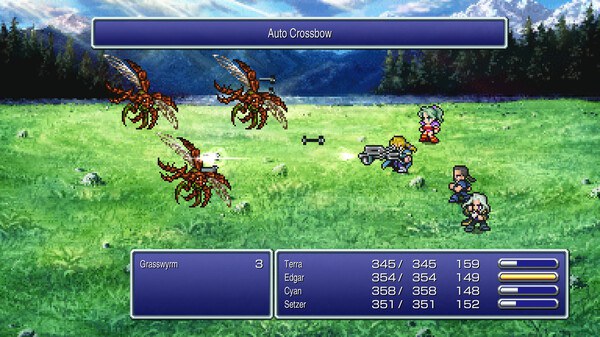
Final Fantasy VIA girl walks through a frozen town under machinery’s command, powerful enough to frighten the people around her and unable to explain herself. Final Fantasy VI makes that gap between force and self-knowledge its first dramatic problem.
Character analysis · 3 min 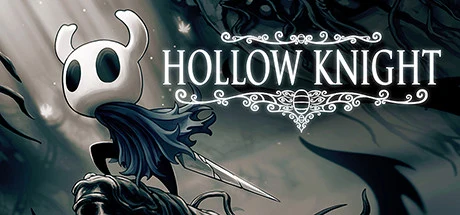
Hollow KnightBefore Hallownest opens into its underground maze, Hollow Knight gives the player a quiet town, a narrow well, and a first stretch of road. Their spare arrangement makes the journey downward feel less like a grand expedition than a solitary departure.
Visual analysis · 3 min 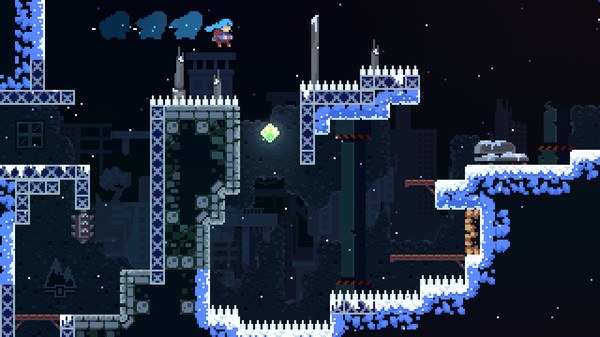
CelesteCeleste introduces its central movement tool as both a burst of possibility and a limit to understand. Its early rooms make failure quick, visible, and useful, turning each attempt into a small act of reading.
Game guide · 3 min 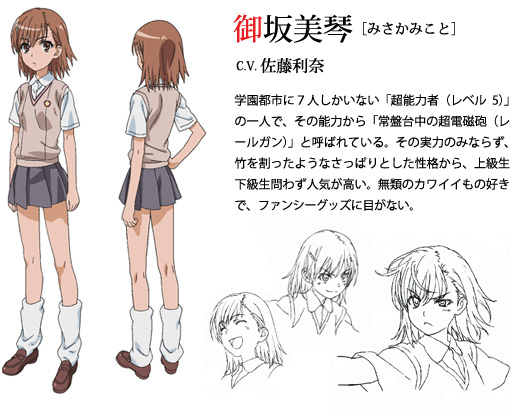
A Certain Scientific RailgunA flicked coin is more than a signature attack: it turns Misaka’s extraordinary ability into an everyday gesture. That ease reveals both her confidence and the scale of the city built around her.
Character analysis · 3 min 
One PieceZoro’s early place in Luffy’s crew rests on a goal that belongs to him alone. His swordsman’s ambition makes his loyalty more than obedience, giving the partnership a personal stake and a clear source of tension.
Character analysis · 3 min 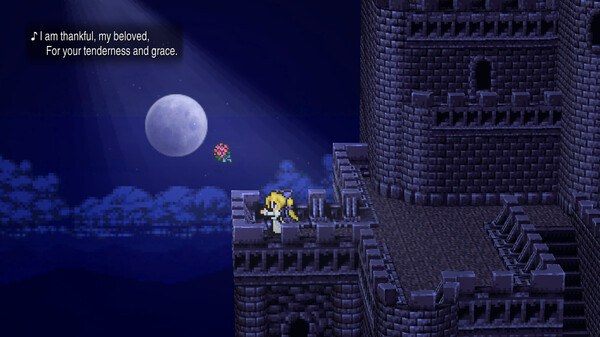
Final Fantasy VIFinal Fantasy VI’s opera episode turns a party member into a singer, a stage role into a practical disguise, and a performance into a risk that cannot be solved by pretending the danger is imaginary. Its mechanics make commitment the scene’s real test.
Story analysis · 3 min 
VagabondWhen Takuan enters Takezo’s early story, the conflict shifts from whether the fugitive can overpower his pursuers to whether power is the only measure he recognizes. Their encounter makes self-command feel more difficult than winning a fight.
Character analysis · 4 min 
Samurai ChamplooFuu’s search gives a wandering trio a destination, but the promise holding them together is practical and precarious. The quest’s vague shape lets hunger, money, and unequal commitment become part of its meaning from the start.
Story analysis · 3 min 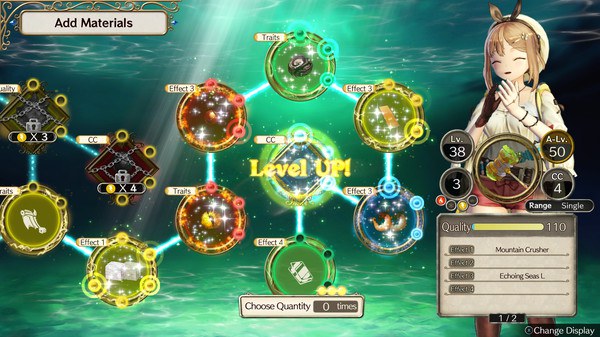
Atelier RyzaIn Atelier Ryza, gathering tools shape what you bring home, while elemental values, quality, traits, and recipe-node choices shape what synthesis can do. Learn how to weigh a useful Bomb or routine craft against saving a better ingredient for equipment before setting out again.
Game guide · 3 min 
One PieceNami’s navigation turns freedom from a rousing idea into work: reading the sea, choosing a route, and judging who can be trusted with the result. Her early partnership with Luffy is guarded because her expertise and independence both matter.
Character analysis · 3 min 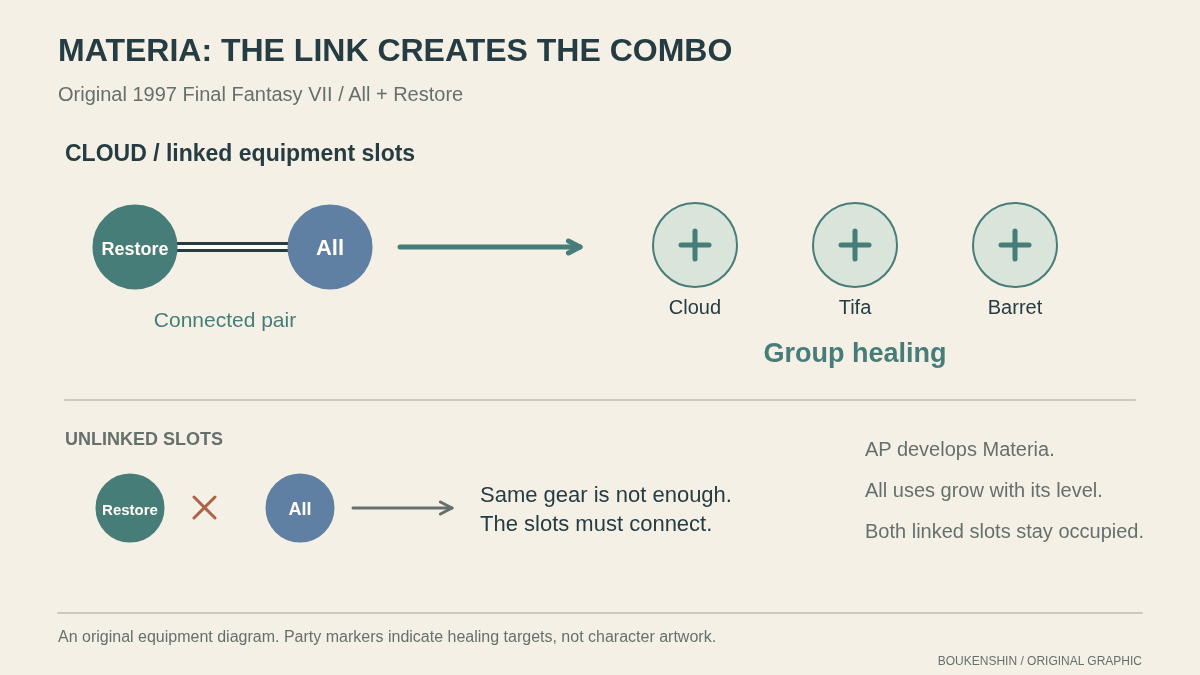
Final Fantasy VIIIn the original 1997 Final Fantasy VII, Green Magic Materia teaches spells while linked blue Support Materia changes how compatible spells work. Slot connections, AP growth, and Materia stat effects make assigning magic to Cloud, Tifa, or Barret a practical equipment decision rather than a permanent class choice.
Game guide · 3 min 
Final Fantasy VITerra, Locke, Edgar, and Sabin each make a different kind of claim on the story. Their early arcs show how Final Fantasy VI shifts its focus to connect private motives with a struggle larger than any one hero.
Story analysis · 3 min 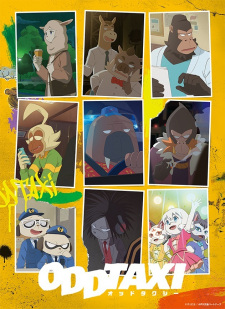
Odd TaxiOdd Taxi finds its humor in mismatched conversations: people pursue private goals while sharing the same space. The result is funny in the moment and useful to the mystery, because each exchange leaves behind details its speakers barely register.
Story analysis · 4 min 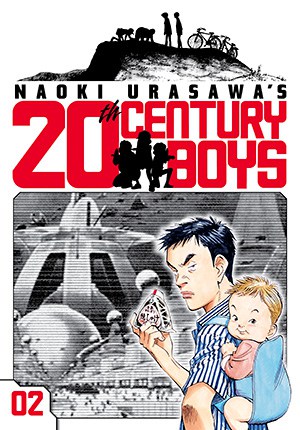
20th Century BoysA hidden gathering place and a homemade game let Kenji’s circle practice belonging on its own terms. Their imagined world feels powerful because it gives ordinary children a common language and a place to return to.
Manga analysis · 3 min 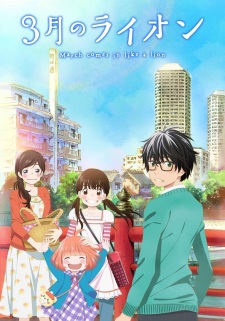
March Comes in Like a LionProfessional shogi in March Comes in Like a Lion is a game of skill and a structure that organizes working life. Reading it as a workplace reveals how age, reputation, and repeated judgment shape Rei’s place in the room.
Story analysis · 3 min 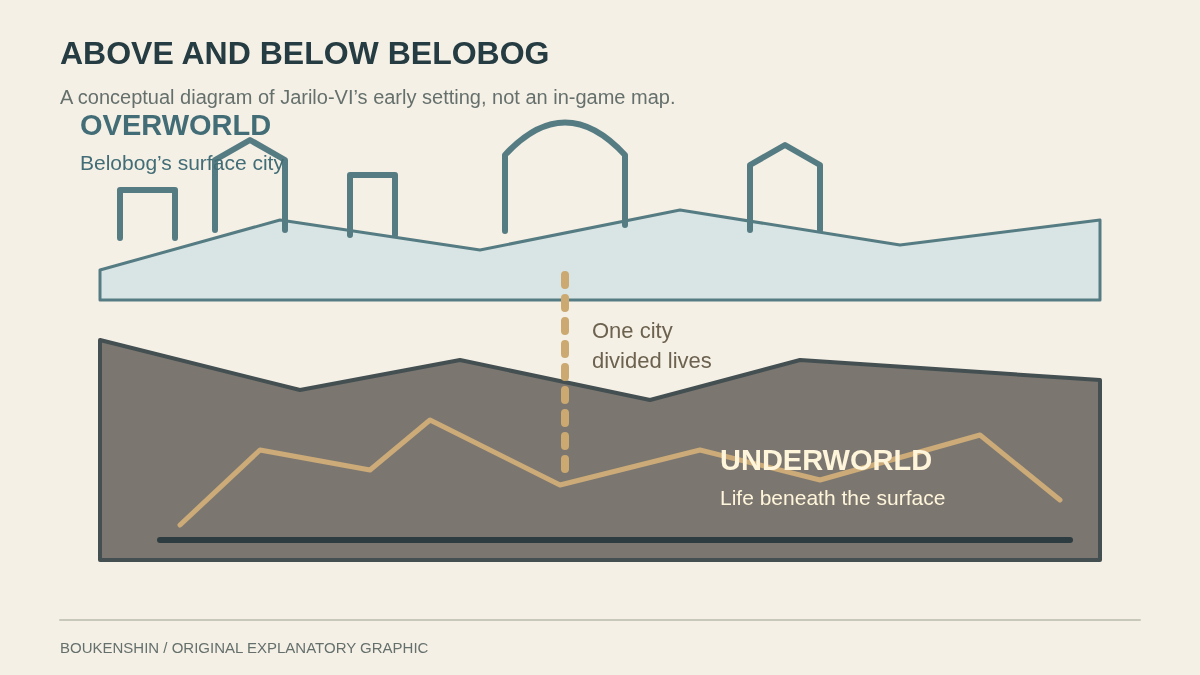
Honkai: Star RailJarilo-VI gives its central divide a physical shape. Belobog’s exposed streets and the Underworld’s constrained spaces make the distance between communities tangible, so the planet’s conflict is encountered through movement and perspective as much as through explanation.
Story analysis · 3 min 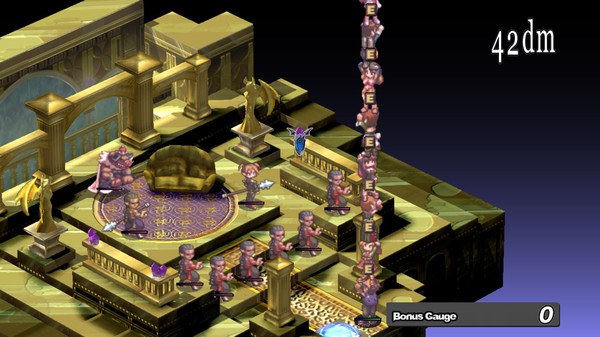
DisgaeaIn the original Disgaea, the Item World places random battle floors inside equipment. Its exit gates, ten-floor return milestones, and Mr. Gency’s Exit make leaving part of the plan, while Geo Panels can change how safely you cross each map.
Game guide · 3 min 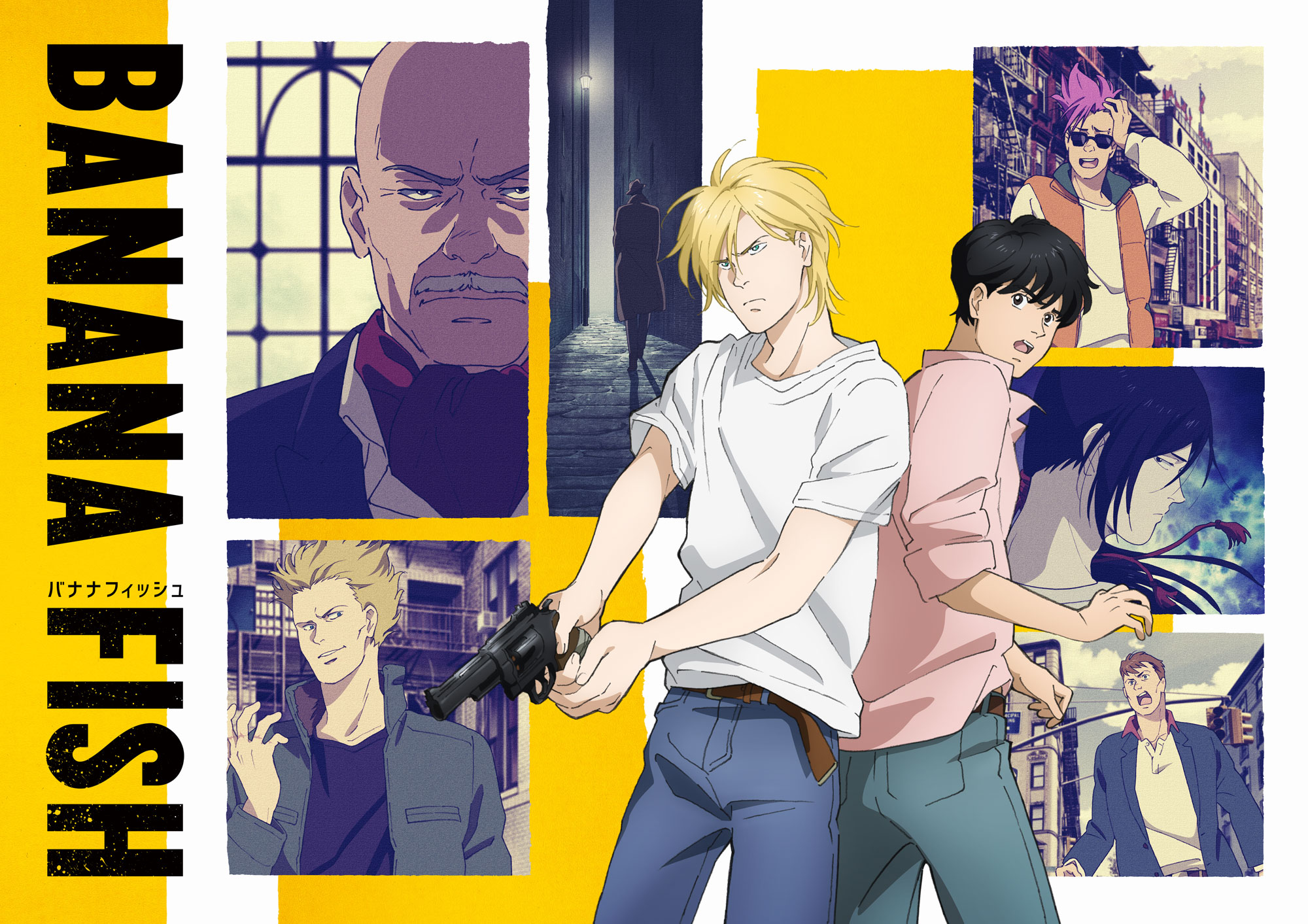
Banana FishThe anime relocates a story rooted in the manga’s 1980s to a contemporary 2018 frame. That change reshapes how technology, distance, and historical memory feel, even as the adaptation continues to draw on the same central premise.
Visual analysis · 3 min 
One PieceThe Going Merry gives the Straw Hats’ early voyage a daily setting where grand ambitions meet chores, shared space, and work that has to be done. The ship makes the crew feel like a household in motion.
Story analysis · 3 min 
Persona 4 GoldenPersona 4 Golden makes a routine glance at the forecast carry unusual weight. Weather shapes daily plans, feeds the Midnight Channel’s unease, and gives rescue deadlines a rhythm the player can feel without knowing the whole mystery.
Story analysis · 3 min 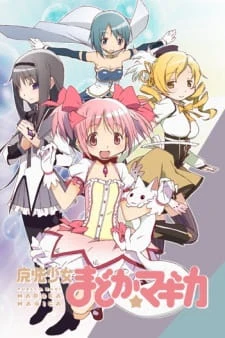
Puella Magi Madoka MagicaThe opening episodes set ordinary city geometry against witch labyrinths crowded with collage, strange textures, and uncertain scale. That visual split makes supernatural danger feel like a challenge to perception as much as to safety.
Visual analysis · 3 min 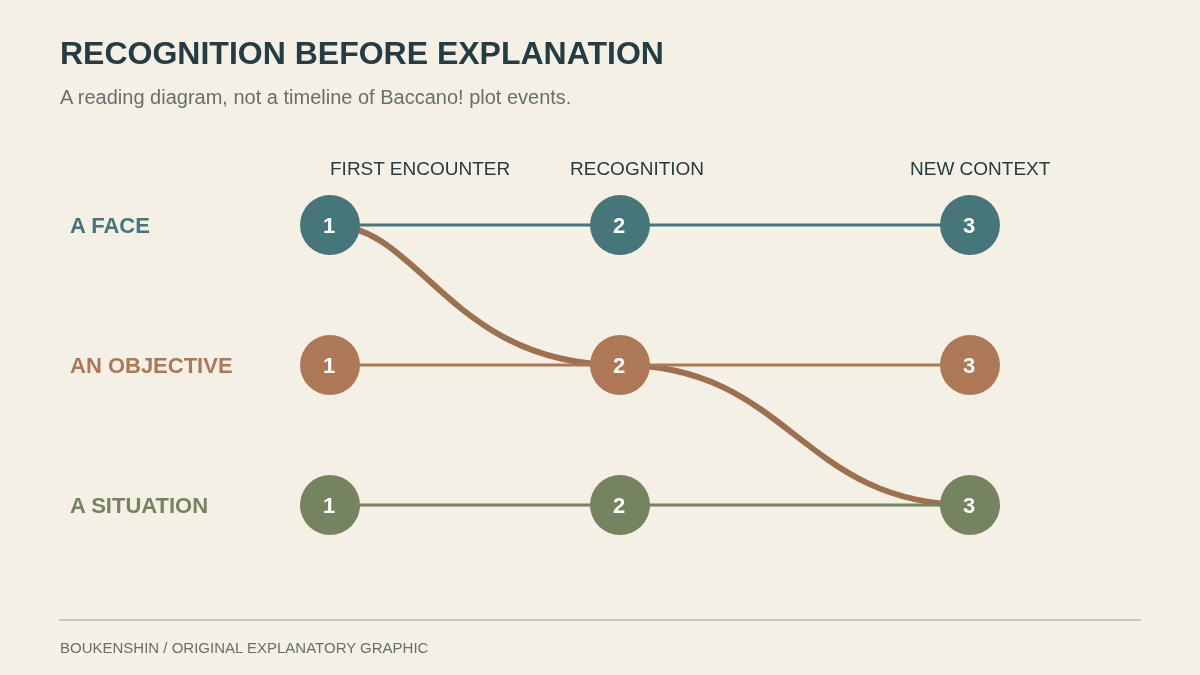
Baccano!The anime asks viewers to recognize people and events before their relationships become easy to place. Its shifting chronology turns familiarity into a form of orientation, making attention more useful than a demand for immediate order.
Story analysis · 3 min 
Spy x FamilyThe Eden interview turns a family’s public image into a high-pressure performance, but the Forgers cannot secure success through polish alone. Their improvisation reveals how class expectations test the reality of a household assembled for a mission.
Story analysis · 4 min 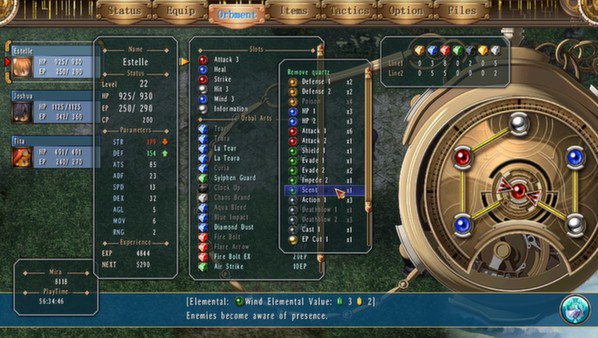
Trails in the SkyIn Trails in the Sky FC, quartz placed in orbment slots affects both a character’s stats and which arts their orbment lines can produce. Learn how to check line totals, compare them with the spell list, and weigh art access against the character’s other needs.
Game guide · 3 min 
Banana FishHis intelligence makes manipulation possible. It does not make dependence disappear.
Character feature · 3 min 26 entries matching “One Piece”
Page 1 / 1