4 articles
Page 1 of 1

20th Century BoysA shopkeeper’s routine gives Kenji a narrow, practical view of the world, until familiar marks begin connecting his present to an old game. The opening turns memory into a problem with consequences.
Manga analysis · 3 min 
20th Century BoysThe old days in Kenji’s circle are not a settled record but a collection of memories with different owners. The manga draws suspense from what its characters recall, overlook and cannot quite agree on.
Manga analysis · 3 min 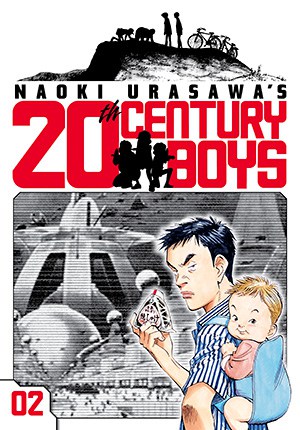
20th Century BoysA hidden gathering place and a homemade game let Kenji’s circle practice belonging on its own terms. Their imagined world feels powerful because it gives ordinary children a common language and a place to return to.
Manga analysis · 3 min 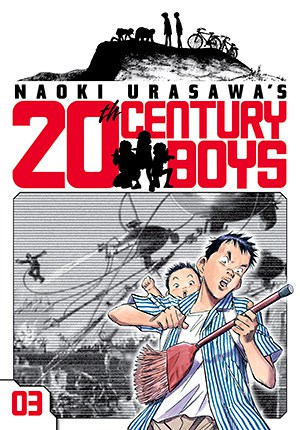
20th Century BoysKenji’s life at the convenience store is organized around immediate responsibilities, but his interest in rock keeps an older ambition audible. The contrast makes his adult routine feel chosen, constrained and still unsettled.
Character analysis · 3 min Find 20th Century Boys in the reference library →