9 articles
Page 1 of 1

Banana FishA spoiler-labeled character essay on how Eiji Okumura’s position as a Japanese photographer changes the reader’s angle on Ash Lynx’s violent world without making him a simple observer.
Character analysis · 6 min Banana FishAsh Lynx reads rooms, people, and danger with unusual speed. In the anime’s opening episodes, that sharpness is both a tool for survival and a reminder of how little control he has over the conditions he must navigate.
Character analysis · 3 min 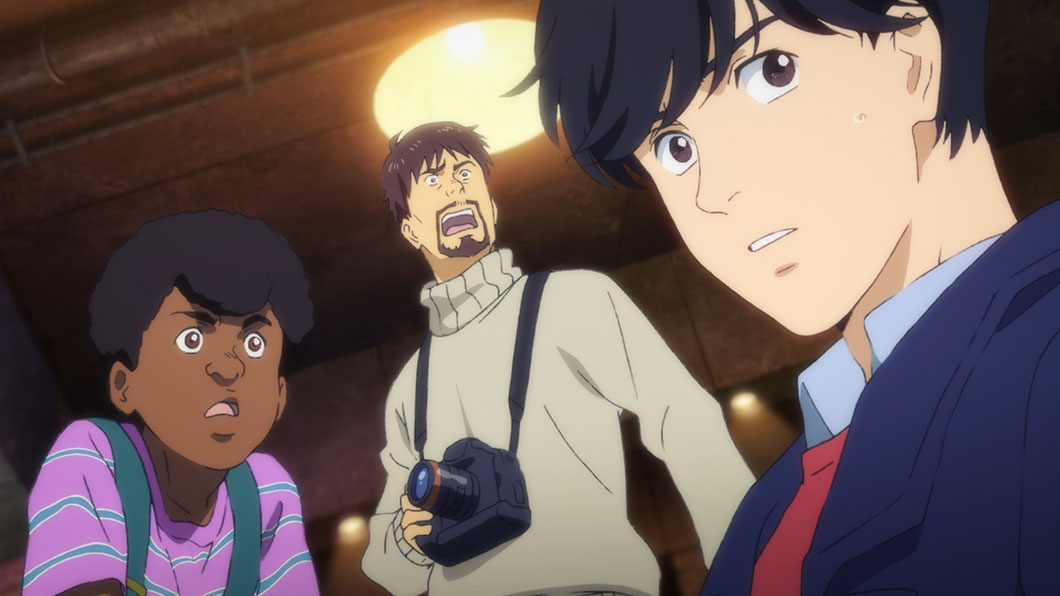
Banana FishAs a Japanese visitor and Ibe’s assistant, Eiji arrives in New York with a purpose and a point of view of his own. His early connection with Ash makes the city feel newly visible without reducing Eiji to either an expert or a bystander.
Character analysis · 3 min 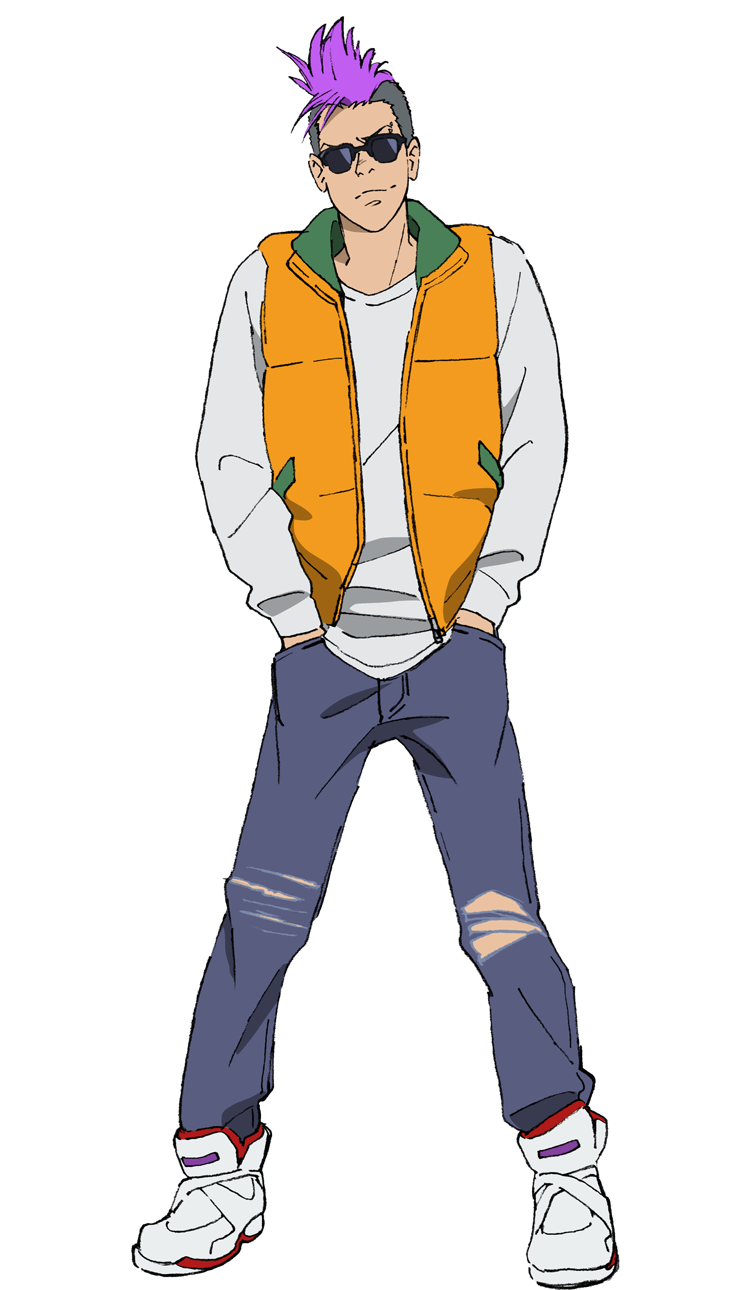
Banana FishShorter Wong’s place in the early anime ties friendship to Chinatown, shared history, and obligations that cannot be put aside at will. His role makes solidarity feel like a lived neighborhood relationship rather than an abstract promise.
Character analysis · 3 min 
Banana FishThe anime relocates a story rooted in the manga’s 1980s to a contemporary 2018 frame. That change reshapes how technology, distance, and historical memory feel, even as the adaptation continues to draw on the same central premise.
Visual analysis · 3 min 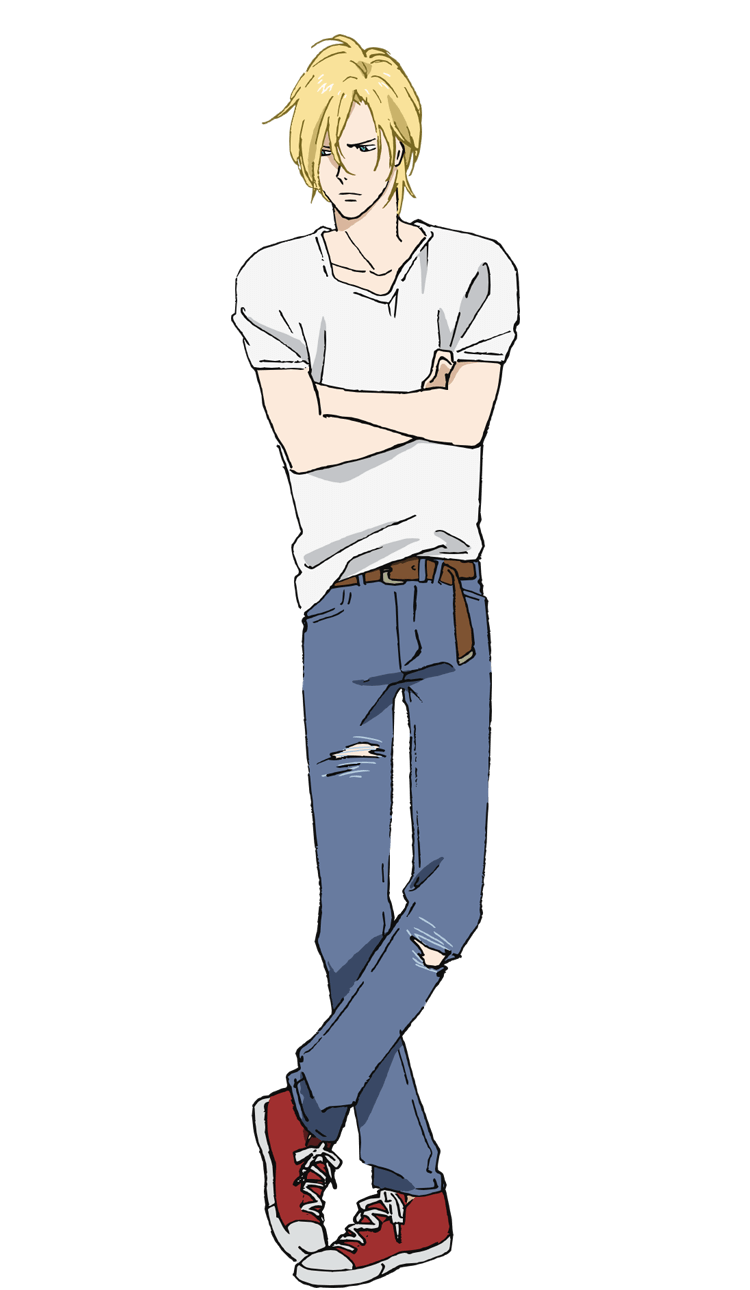
Banana FishHis intelligence is inseparable from the need to read danger before anybody else in the room does.
Character feature · 3 min 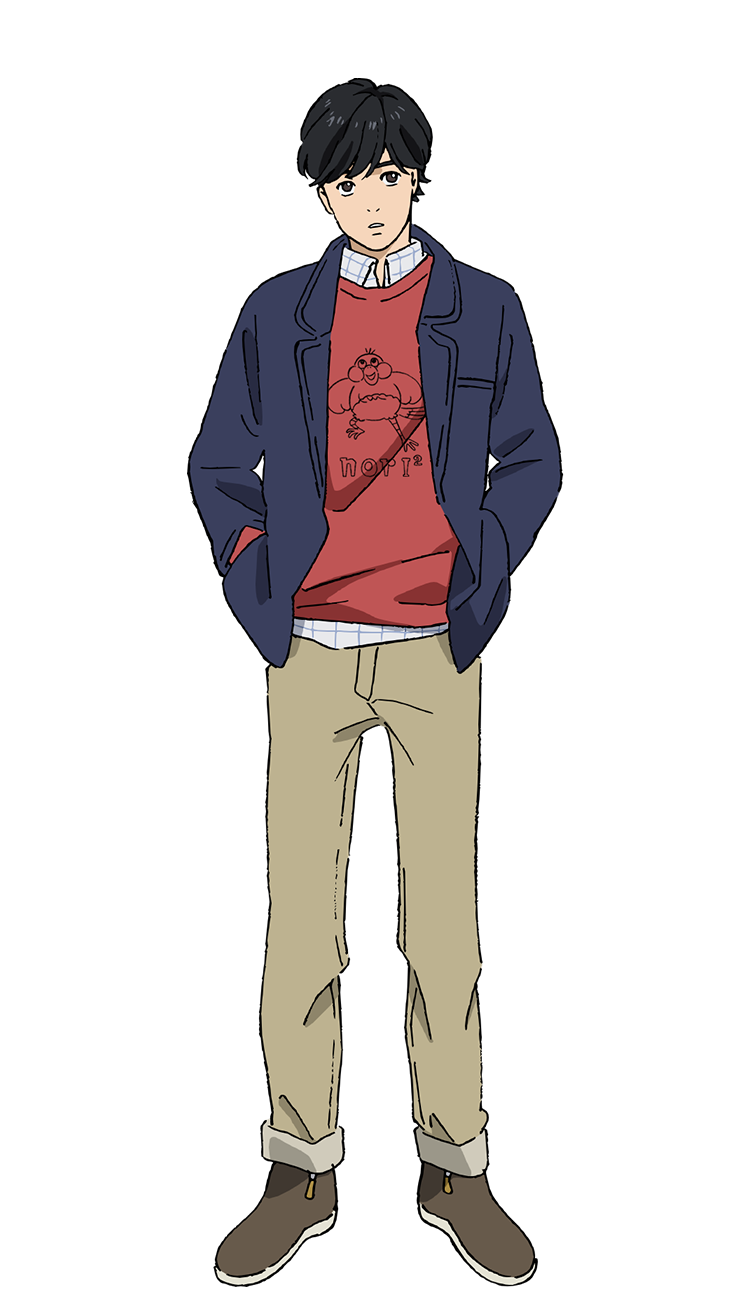
Banana FishA physical escape in the opening becomes a striking contrast to the kinds of movement Ash already knows.
Character feature · 3 min 
Banana FishIn a story full of transactions, an offer that does not demand repayment changes the terms of a relationship.
Character feature · 3 min 
Banana FishHis intelligence makes manipulation possible. It does not make dependence disappear.
Character feature · 3 min Find Banana Fish in the reference library →