From the 1980s to 2018: Banana Fish in a different New York
The anime relocates a story rooted in the manga’s 1980s to a contemporary 2018 frame. That change reshapes how technology, distance, and historical memory feel, even as the adaptation continues to draw on the same central premise.
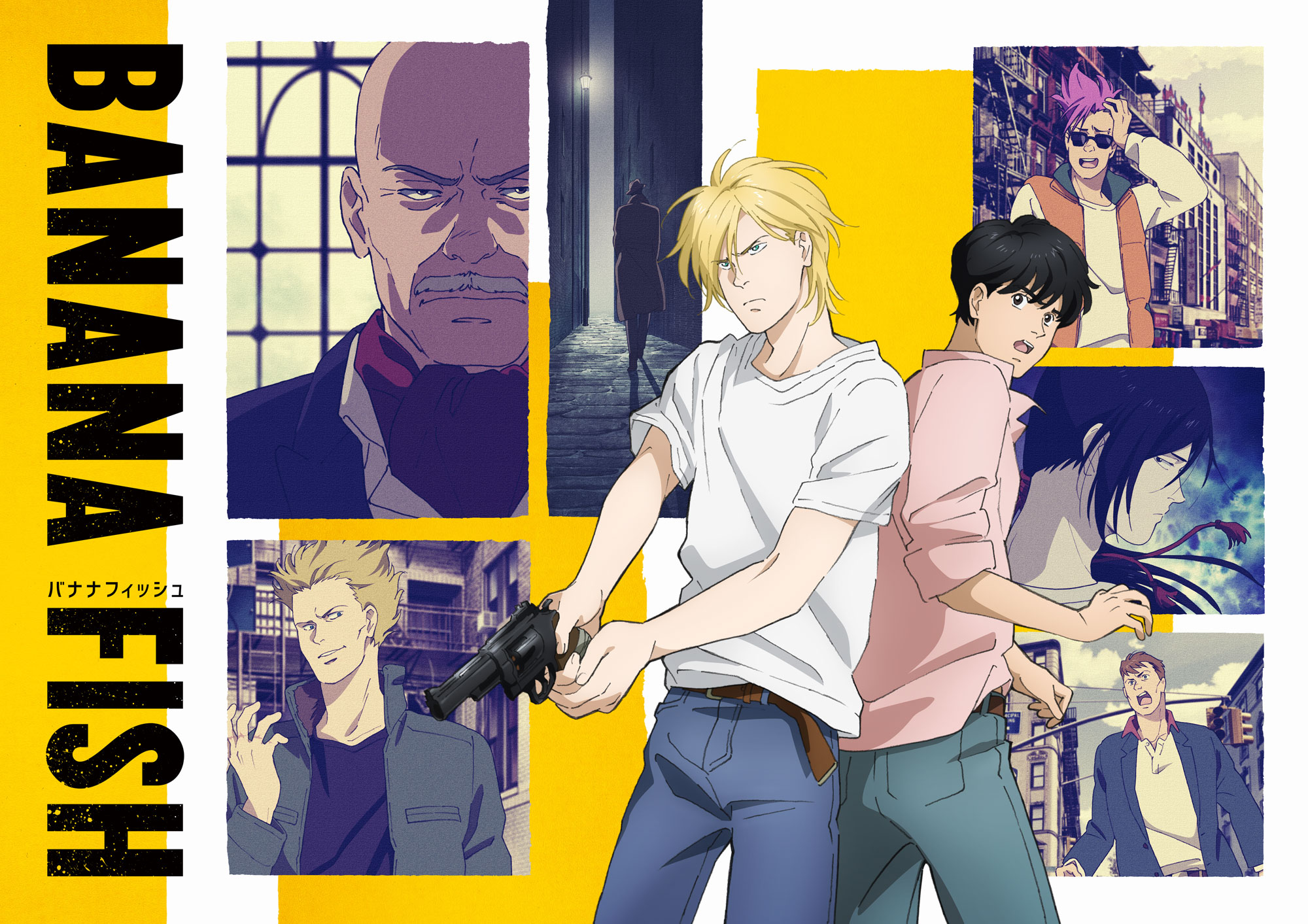
Coverage: Manga and anime setting comparison; premise and adaptation texture only, without later plot details.
Two eras, two kinds of distance
Akimi Yoshida’s manga places Banana Fish in the 1980s, while the anime adaptation sets its story in a contemporary 2018. That shift changes the distance between a character and a piece of information. In a 1980s setting, communication and research belong to an environment with different everyday tools and rhythms; in the anime’s contemporary frame, familiar digital technology changes the texture of waiting, finding, and contacting. The difference affects how scenes feel, even where their basic dramatic purpose remains recognizable.
A setting is not a decorative date attached to an otherwise untouched story. The era shapes what counts as access and what can remain out of reach. A modern audience may read a search or message through expectations about connectivity that did not govern the manga’s original moment. The anime’s relocation therefore asks viewers to notice the conditions under which information travels. It gives the adaptation a present-tense surface while changing the historical distance through which its conflicts are encountered.
Technology alters the texture, not every event
The contrast is most useful when treated carefully. A contemporary setting invites attention to mobile communication and digital access, but that does not mean every plot point must be transformed or that technology automatically makes people safe. Information can move faster while power remains uneven. Knowing that a person might be reachable is not the same as being able to reach them freely, and a device does not erase the social pressures that shape what someone can say or do.
That distinction helps explain why the adaptation’s present-day atmosphere does not simply modernize the story’s stakes into a different genre. The core premise still concerns people navigating danger and unequal power. New technology changes the practical texture around those pressures; it does not dissolve them. Reading the anime alongside the manga means observing where the new era changes the feel of a problem without assuming that every conflict has been rewritten to match a gadget or a new communication habit.
Historical memory becomes visible
Moving the story from the manga’s 1980s to 2018 also changes what the work’s period can mean to its audience. The manga was made in and for a cultural moment that is now historical; the anime presents a world that was contemporary to its own release. This makes the two versions carry different kinds of memory. One asks viewers to encounter a past setting as part of the original work’s texture, while the other gives the story a nearer frame that has since also become a record of its time.
That shift can influence how viewers interpret the city and its institutions. A setting is built from more than visible objects: it includes what audiences assume about news, travel, public knowledge, and the speed of response. Those assumptions change over decades. The adaptation’s date thus guides attention toward the gap between what the characters experience and what a modern viewer may expect them to be able to do. The gap itself becomes part of the viewing experience.
Adaptation as a change in emphasis
The 2018 frame is best understood as a change in emphasis rather than a verdict on the manga’s original period. The manga’s 1980s setting gives its story a particular historical grain; the anime’s contemporary setting places related conflicts in a different environment of communication and expectation. Each version asks the audience to feel time differently. Neither date is neutral, and neither needs to be treated as a simple upgrade or loss.
This perspective makes the adaptation’s setting a meaningful part of its interpretation. The anime brings the story closer to its own present while creating new questions about how information moves and what people can do with it. At the same time, the manga’s earlier period remains essential to its identity. The two eras do not collapse into one another. Their difference shows how adaptation can preserve a central premise while changing the atmosphere in which a viewer weighs distance, access, and danger.
Primary work & further reading
Primary work: Banana Fish. Character and story readings are editorial interpretations. The publisher reference below identifies the work and its premise.