Karol wants a guild that will keep him
Karol's eagerness to look like a capable guild leader hides a more human desire: to be wanted by a group he can help shape. Brave Vesperia gives that desire a place to become action rather than performance.
Specific characters, combat decisions, and worlds worth spending time in.

Karol's eagerness to look like a capable guild leader hides a more human desire: to be wanted by a group he can help shape. Brave Vesperia gives that desire a place to become action rather than performance.

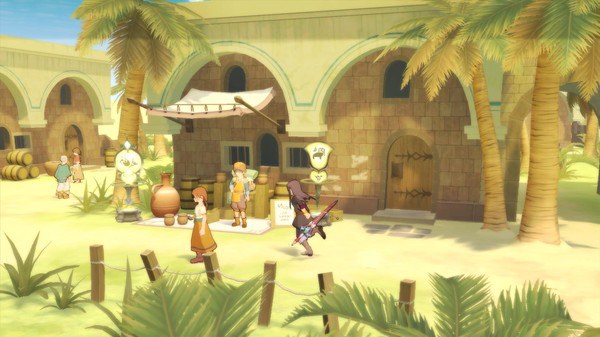
In early Calaglia, clothing helps make the divide between Renans and Dahnans legible before anyone explains it. The contrast does not merely decorate the world; it shows how power organizes who is seen as a person and who is treated as labor.

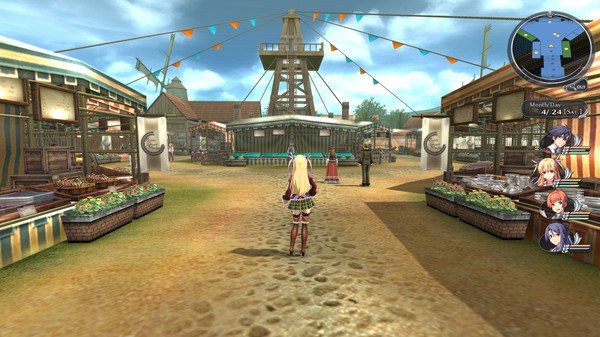
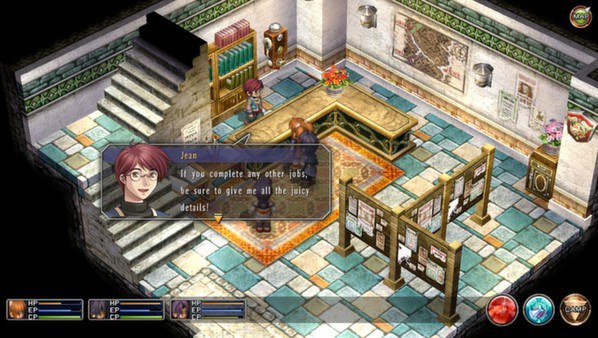
Trails in the Sky makes Liberl’s geography feel inhabited by letting Bracer requests connect travel with local concerns. Small jobs give towns and recurring faces a place in the kingdom’s political landscape without turning world-building into a lecture.

A lesson about society changes when students have to meet the people living inside it. By sending Class VII beyond Trista, field studies make the distance between an academy’s ideals and local experience part of the curriculum.

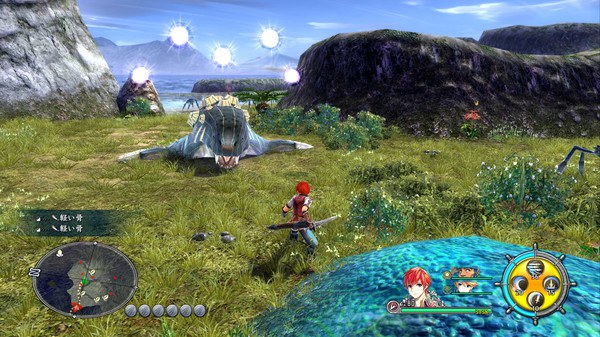
Laxia and Sahad respond to the shipwreck from different positions, and their early cooperation gives Ys VIII a believable social texture. Their practical differences show why survival requires more than one kind of strength.

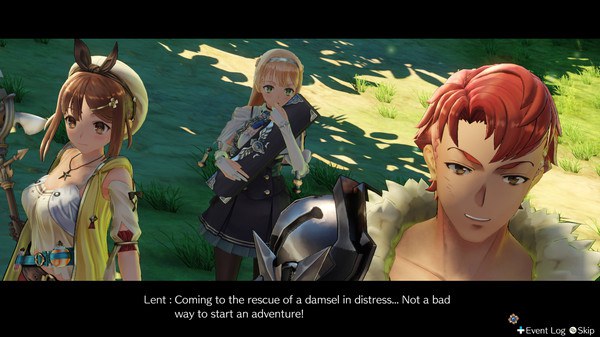
Lent’s sword practice gives shape to an ambition that the early story has not yet resolved. Alongside Ryza’s appetite for change and Tao’s curiosity, it reveals how the friends use different futures to make home feel larger.

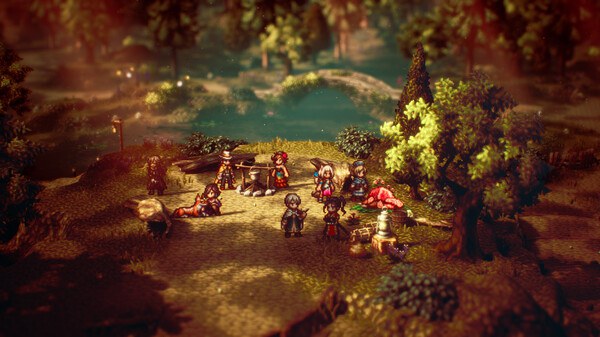
Temenos’s clerical office and inquisitive temperament pull in different directions only at first. His opening chapter treats questioning as a way to serve the truth when certainty would be easier to perform than to earn.

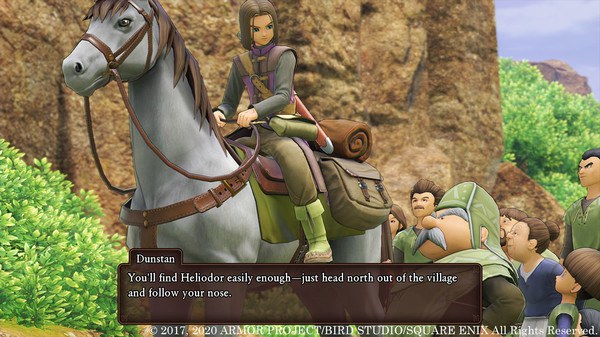
Sylvando’s early appearance frames entertainment as a deliberate gift to other people. His showmanship is vivid, but its deeper purpose is the attention he gives to an audience in need of joy.

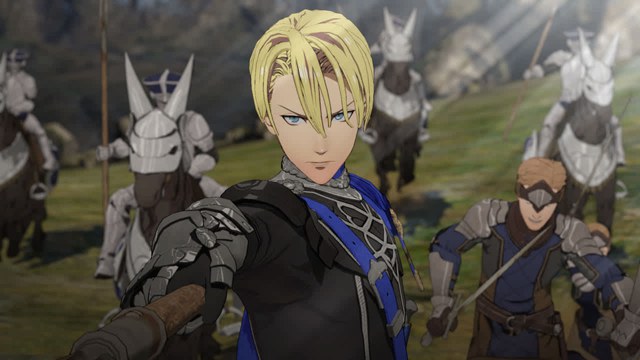
Dimitri’s courtesy gives the Blue Lions leader a recognizable public composure, but the effort behind that composure makes it feel fragile. His academy conversations reveal a young man negotiating duty, kindness, and the scrutiny of others.

Reyn’s confidence gives Xenoblade’s battles a visible anchor, but his value as a protector depends on more than standing in front. His friendship with Shulk and the logic of enemy attention make protection a shared, active responsibility.

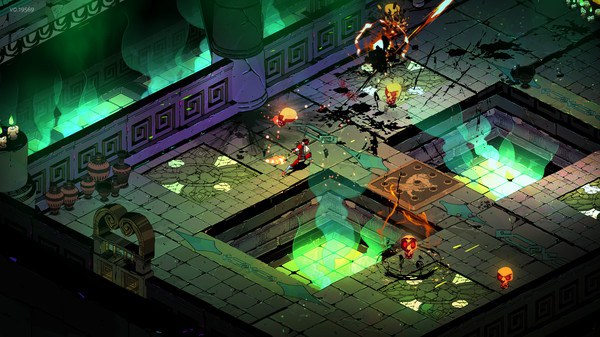
In Hades, Olympian boons reshape Zagreus’s Attack, Special, and Cast as offers arrive. Learn to match named effects such as Athena’s Divine Dash, Zeus’s Lightning Strike, and Aphrodite’s Heartbreak Strike to your weapon and the problems each chamber presents.

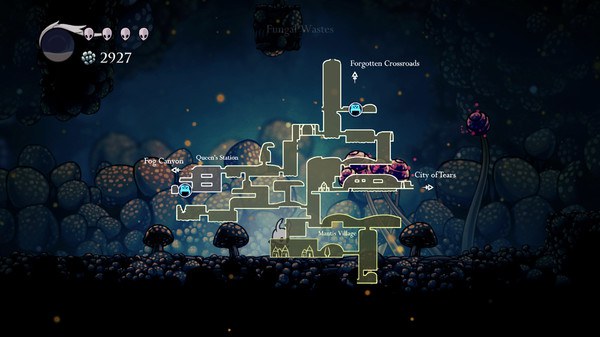
Cornifer’s area maps give Hallownest’s passages a shape, but filling them in takes the Quill, exploration, and a bench stop. Pair that map with the Wayward Compass when you need to see where the Knight is right now.

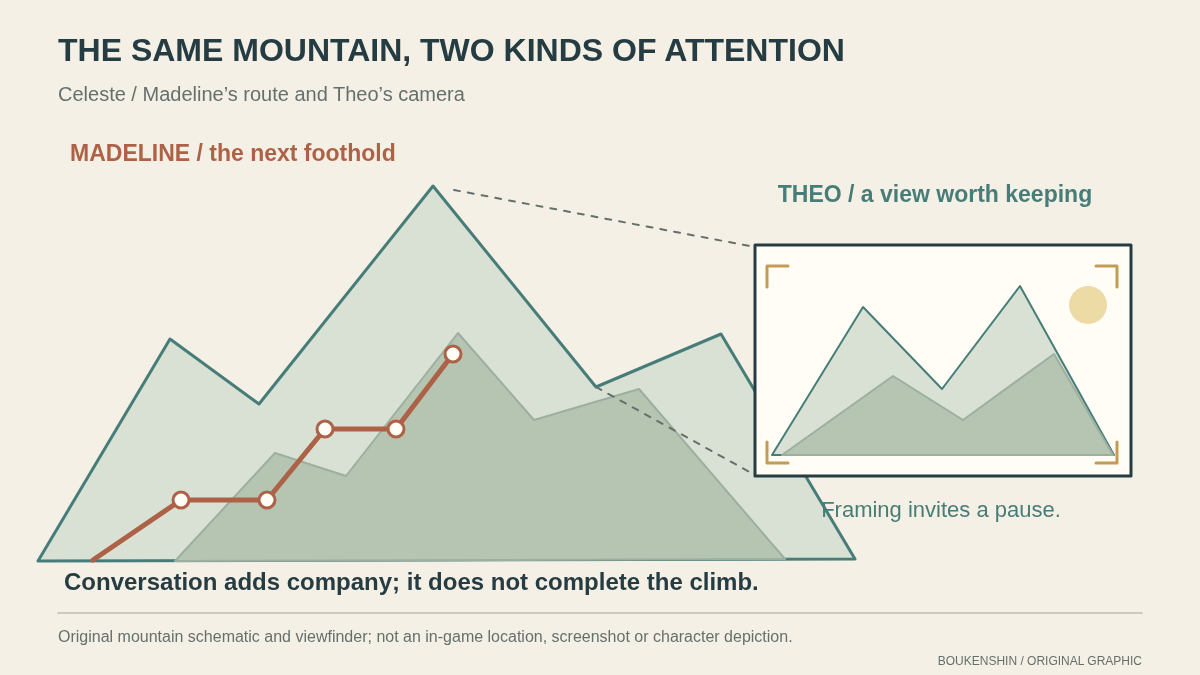
Theo arrives with curiosity that contrasts with Madeline’s concentrated struggle. His camera, easy humor, and willingness to talk make companionship part of the mountain’s texture without turning him into a solution to her climb.

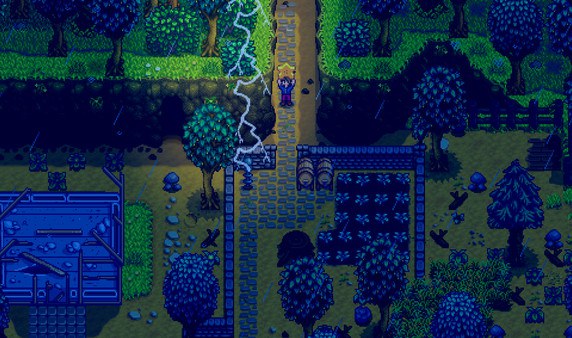
Rain waters outdoor crops, freeing time and energy for fishing, mine trips, or other plans. It changes the farm day’s workload without completing harvesting, replanting, or animal care, so the player still has choices to make.

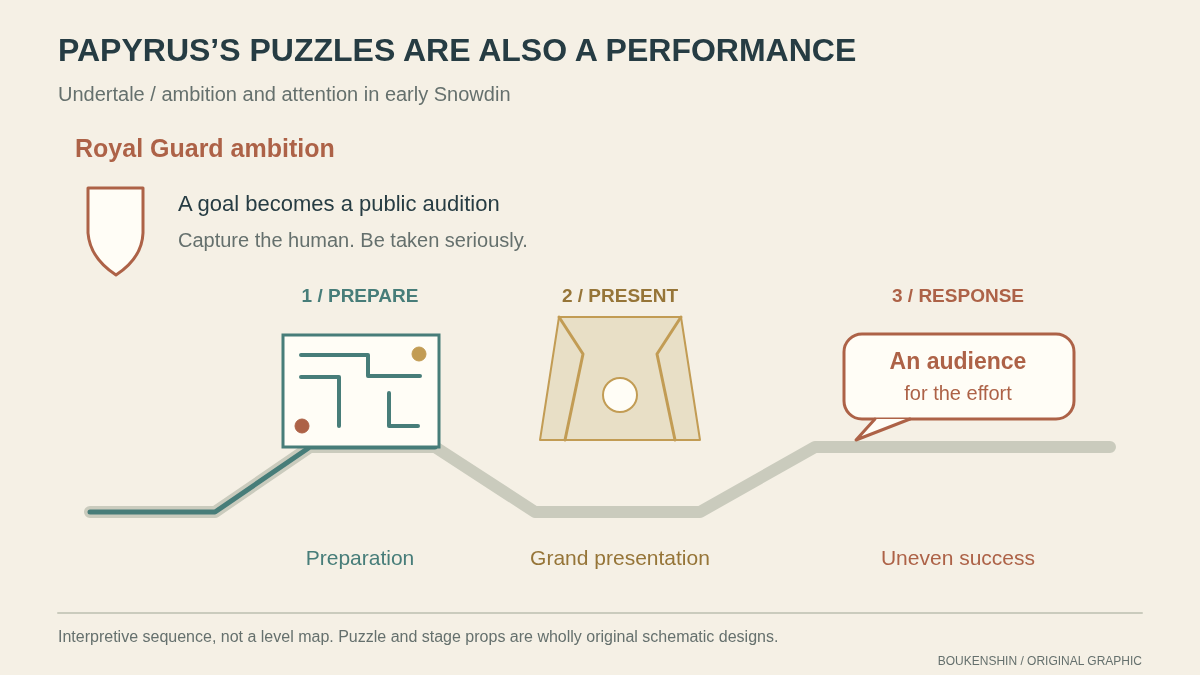
Papyrus’s early Snowdin appearances turn puzzle-making into a comic form of self-presentation. His elaborate confidence and wish to join the Royal Guard give his traps a purpose beyond simply stopping the player.

A guard counter turns a successful block into a chance to strike back, but it works best after an enemy finishes its attack sequence. Managing stamina and choosing that opening carefully keeps a shield build from being caught mid-counter.

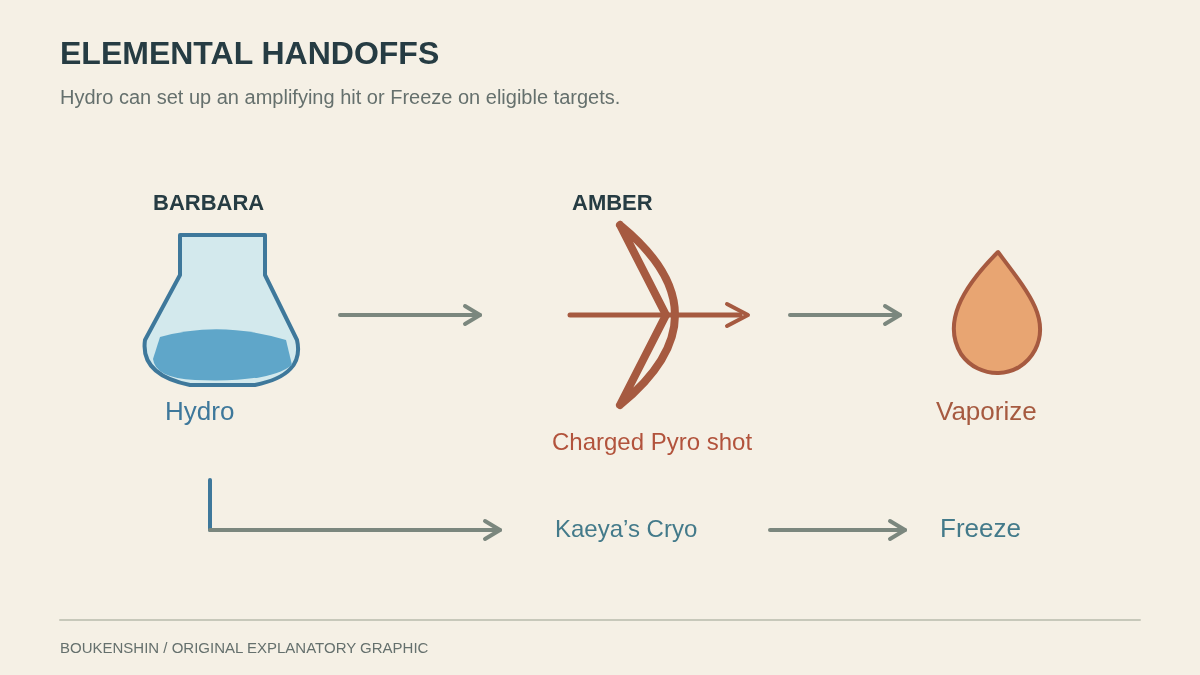
Elemental reactions make party switching meaningful by letting one character’s application shape what the next can do. Understanding that handoff offers a practical way to plan a team without relying on rankings or complicated damage claims.

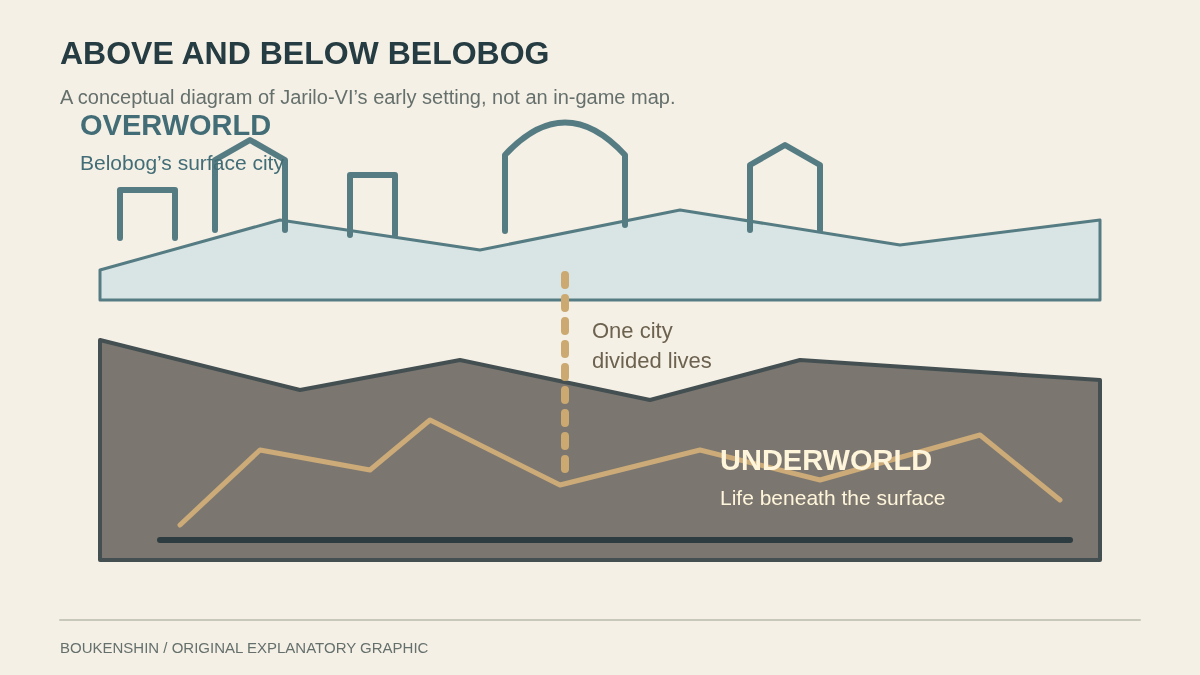
Jarilo-VI gives its central divide a physical shape. Belobog’s exposed streets and the Underworld’s constrained spaces make the distance between communities tangible, so the planet’s conflict is encountered through movement and perspective as much as through explanation.

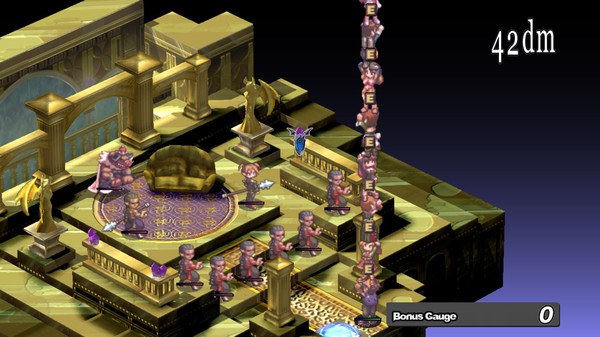
In the original Disgaea, the Item World places random battle floors inside equipment. Its exit gates, ten-floor return milestones, and Mr. Gency’s Exit make leaving part of the plan, while Geo Panels can change how safely you cross each map.

Disgaea 4 wraps its rebellion in the routines of government, giving the Cam-pain HQ and its assembled allies a tactical purpose. The campaign’s administrative comedy makes preparation feel like part of the struggle over who gets to rule.

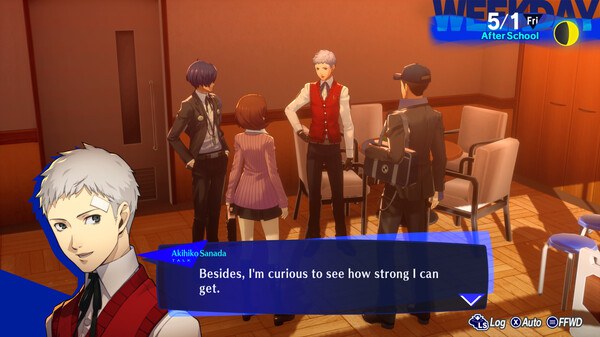
The dorm gives Persona 3 Reload a place where SEES members exist outside the demands of combat. Shared activities and casual conversation reveal the small work of living together between the story’s larger pressures.

Persona 4 Golden makes a routine glance at the forecast carry unusual weight. Weather shapes daily plans, feeds the Midnight Channel’s unease, and gives rescue deadlines a rhythm the player can feel without knowing the whole mystery.

Mementos gives Persona 5 Royal a shared space for grievances that do not belong to one imposing Palace. Its recurring train imagery and ordinary targets shift attention from a single ruler’s world to the habits that shape public life.

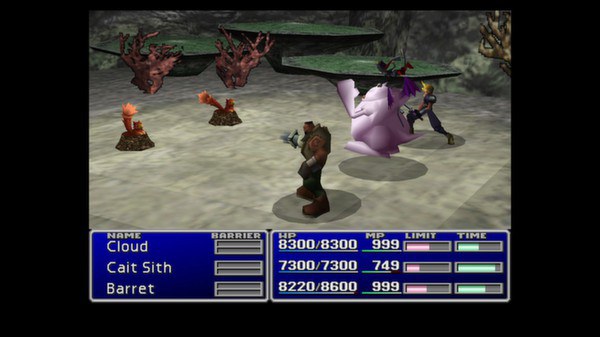
Aerith’s first encounter with Cloud and her movement through Midgar’s church and streets make the city feel navigable in a new way. Her initiative shifts the opening’s pace from pursuit toward local, practical knowledge.