Guard counters change the rhythm of a shield build
A guard counter turns a successful block into a chance to strike back, but it works best after an enemy finishes its attack sequence. Managing stamina and choosing that opening carefully keeps a shield build from being caught mid-counter.
Coverage: Covers the base game’s guard counter, blocking, stamina, Guard Boost, and stance damage. No story spoilers.
Block first, then answer with a heavy attack
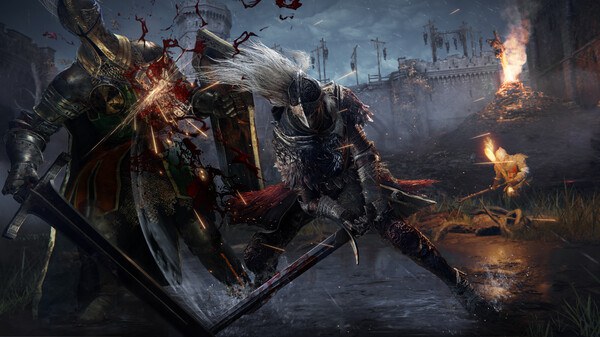
A guard counter has a specific input and order: block an enemy attack, then press heavy attack. The heavy follow-up is the counter; simply attacking after an enemy swings is not the same mechanic. Nor is it a parry. A parry is a separate action that attempts to deflect an incoming strike and can create its own opening. With a guard counter, your shield takes the hit first, and you choose whether to answer.
That makes the shield part of your offense without turning every block into a free hit. For example, if a foe makes one committed swing and pauses, blocking it can leave time to respond with a guard counter. The counter adds stance damage, which can help build toward breaking an enemy’s stance and opening a critical opportunity. It does not mean every counter will stagger the target. Keep attacking or repositioning based on what the enemy actually does next.
Read the whole attack sequence before committing
The most common mistake is countering the first blocked hit of a combo. Your character commits to the heavy attack, so a quick follow-up can interrupt it before it connects. Against an enemy that chains several blows, keep guarding through the sequence and look for the pause after its final attack. That pause is a more useful cue than the fact that one strike has just hit your shield.
A Brass Shield can support this approach as a medium shield, but its presence does not change the decision you need to make. Watch the opponent’s pattern: a single swing followed by a clear recovery invites a different response from a rapid string that keeps you under pressure. If you counter too early, you may trade a safe block for an interrupted attack and a fresh hit. Waiting through one more strike can preserve the chance to answer after the sequence ends.
Manage stamina separately from damage protection
Blocking can consume stamina, and some attacks can also deal chip damage through a shield. A block therefore does not always erase the cost of being hit. If your stamina is running low, continuing to hold guard may leave little room to counter or defend against the next blow. After a heavy attack lands on your shield, consider whether you have enough stamina for the next part of the exchange before choosing to stay planted.
Guard Boost affects the stamina cost of guarding. Physical damage negation is a different shield property: it concerns how much physical damage is prevented. One does not stand in for the other. When comparing shields for a defensive build, consider both what happens to your health and what happens to your stamina as you block. A shield that helps with stamina management can make it easier to keep the option of a counter available, but you still need to judge the enemy’s follow-up.
Choose the opening in a worked exchange
Suppose an enemy swings once, pauses, and then starts another attack. If you block the first swing and immediately use a guard counter, the heavy attack may be interrupted by the next blow. If you keep guarding through the follow-up and counter after the sequence finishes, you give the attack more room to connect; you have spent additional stamina blocking, so that choice depends on having enough left. The tradeoff is clear: counter early for a chance to answer sooner, or wait for a safer opening while paying the cost of another block.
In play, use the counter as one option in a shield user’s rhythm. Block the attacks you can afford to guard, recognize whether the opponent has finished its sequence, and press heavy attack when the opening is there. Use a parry when you mean to attempt a deflection; use a guard counter when you have absorbed a hit and want to answer. That distinction helps you choose the right action under pressure and makes each opening a decision rather than an automatic follow-up.
Primary work & further reading
Primary work: Elden Ring. Character and story readings are editorial interpretations. The publisher reference below identifies the work and its premise.