IN FOCUSDisgaeaBanana FishMermaid MelodyAzumanga DaiohGenshin ImpactStar RailElden Ring

Anime · Page 4

Character readings, scene analysis, and the choices that shape an anime.

119 articles

Page 4 of 5
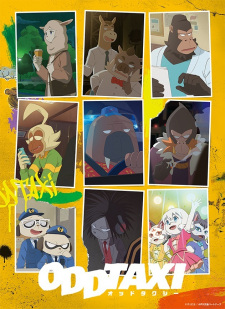
Odd Taxi promotional cover artwork
Odd Taxi

Odd Taxi's comedy depends on people talking past each other

Odd Taxi finds its humor in mismatched conversations: people pursue private goals while sharing the same space. The result is funny in the moment and useful to the mystery, because each exchange leaves behind details its speakers barely register.
Story analysis · 4 min
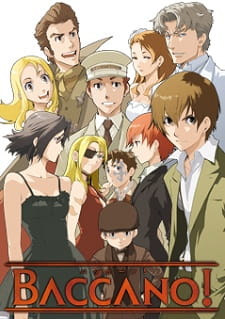
Baccano! promotional cover artwork
Baccano!

Everyone has business aboard the Flying Pussyfoot

A moving train puts people with separate plans inside the same narrowing space. The Flying Pussyfoot gives the anime a setting where an ensemble’s competing purposes can press against one another without making any one viewpoint definitive.

Story analysis · 4 min
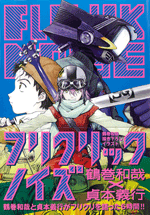
Canti, Naota and Haruko on the official FLCL Noise interview-book cover shown by King Records
FLCL

Canti moves into Naota's household

Canti’s early place in the Nandaba household makes the robot’s oddness part of a daily routine. His quiet help with chores gives FLCL a funny, tender way to treat care as action rather than spectacle.

Character analysis · 3 min
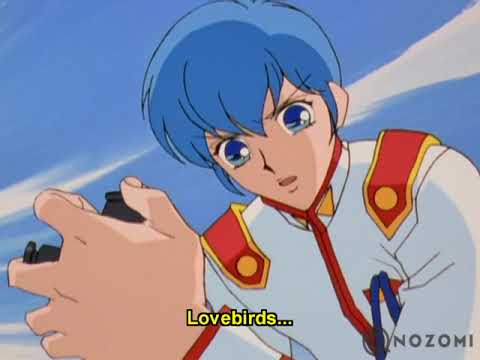
Miki Kaoru in Student Council uniform in the original Revolutionary Girl Utena television anime; Nozomi official episode 1 preview frame
Revolutionary Girl Utena

Climbing to Utena's dueling arena

In Ohtori’s opening duels, climbing toward the arena turns school rank into an event students can watch. The repeated ceremony makes authority feel tangible while exposing how much the academy relies on spectacle to sustain it.

Story analysis · 3 min
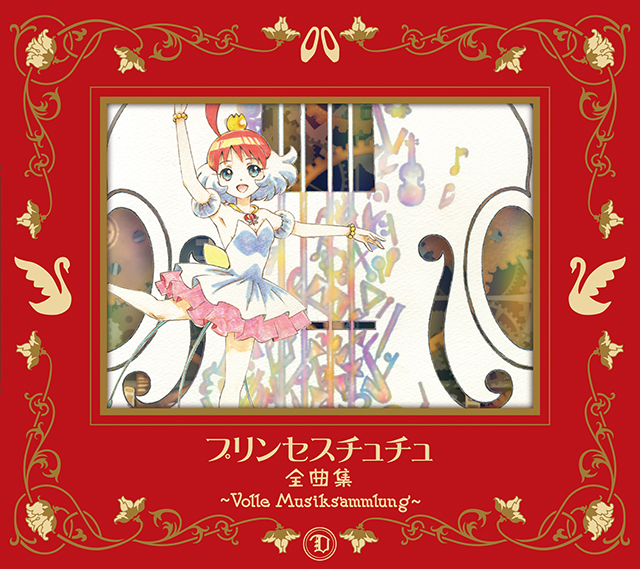
Princess Tutu original television anime cast illustration on the official music collection package
Princess Tutu

Princess Tutu makes ballet a way to negotiate

In Princess Tutu, ballet gives conflict a language of attention and response. The dance can shape how characters meet one another, making performance a way to negotiate feeling rather than a display of force.

Visual analysis · 3 min
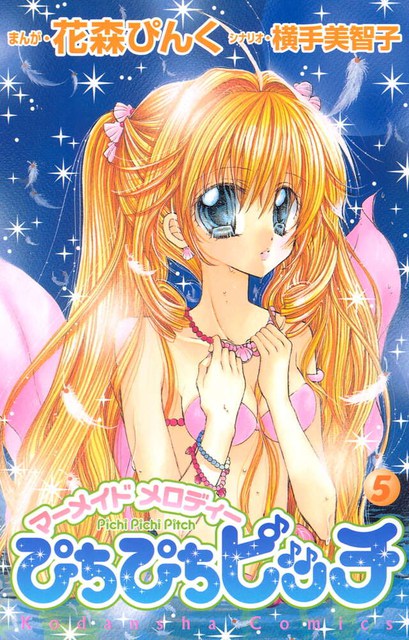
ぴちぴちピッチ(5) — official Japanese publisher catalog cover
Mermaid Melody

Why Mermaid Melody fights through song

In Mermaid Melody, a confrontation can become a song-led event with its own staging, rhythm and group dynamics. That choice makes music part of the story’s structure: the characters do not merely fight, they perform a response together.

Story analysis · 3 min
Cowboy Bebop promotional cover artwork
Cowboy Bebop

The bounty doesn't always pay in Cowboy Bebop

In Cowboy Bebop, a bounty is only valuable if someone actually pays. The show turns that gap into an engine for comedy and genre shifts, making the crew’s finances shape what an episode can promise and what it can deliver.

Story analysis · 3 min
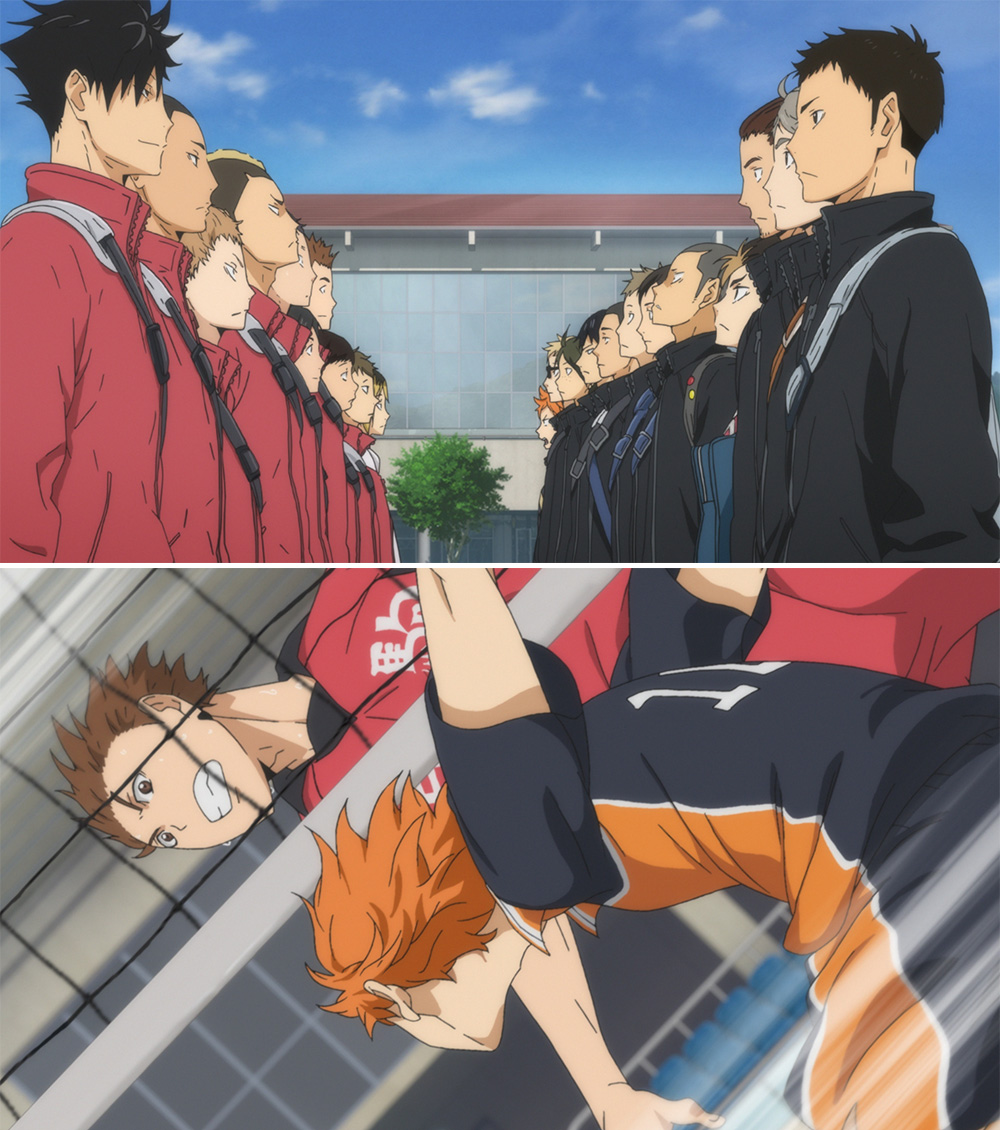
Karasuno and Nekoma players facing one another, with Hinata in a volleyball action scene below; official first-season Haikyu recap montage
Haikyu!!

The first quick attack is a trust exercise

Hinata and Kageyama’s early quick attack is striking because it depends on two players surrendering part of their control. Its timing reveals both the promise of their connection and the narrow limits of what they yet understand.

Story analysis · 3 min
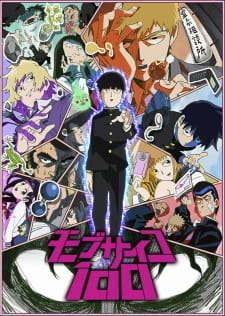
Mob Psycho 100 promotional cover artwork
Mob Psycho 100

Ritsu measures himself against a brother who isn't competing

Ritsu’s early self-comparison with Mob is sharpened by an imbalance neither brother chose: Mob possesses extraordinary psychic power, while Ritsu appears outwardly capable and composed. Their contrast makes sibling affection coexist with the private strain of feeling second.

Character analysis · 3 min