Ritsu measures himself against a brother who isn't competing
Ritsu’s early self-comparison with Mob is sharpened by an imbalance neither brother chose: Mob possesses extraordinary psychic power, while Ritsu appears outwardly capable and composed. Their contrast makes sibling affection coexist with the private strain of feeling second.
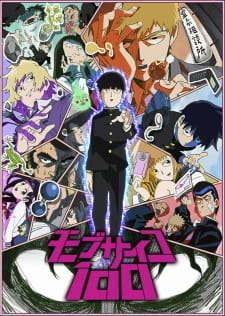
Coverage: Early anime material about Ritsu’s relationship with Mob and his feelings of inferiority; excludes later power revelations and reconciliation outcomes.
Being the capable brother does not settle the comparison
Ritsu’s outward competence gives him a recognizable social footing. He is composed and successful in ways that make him seem to have the qualities his brother lacks. But his comparison with Mob turns those apparent advantages into an unstable measure. Mob has a capacity Ritsu does not seem to share, one that is extraordinary enough to dominate how the brothers are perceived. Ritsu’s own strengths can feel less important beside a gift that no ordinary achievement can match.
That contrast makes the sibling dynamic more painful than a simple contest between a talented boy and an envious one. Ritsu is not just trying to win a competition that Mob has entered. He is measuring himself against a brother whose defining advantage is not the result of a choice or a shared game. The comparison is asymmetrical: one brother possesses something the other cannot earn through diligence alone, while everyday success offers no easy way to close the distance.
Mob’s lack of rivalry leaves Ritsu alone with it
Mob does not appear to organize his life around defeating Ritsu. That absence is significant. A direct rivalry could give Ritsu a clear opponent and a set of rules; he could know when he had won or lost. Instead, the comparison chiefly belongs to Ritsu. Mob’s calmness and limited self-assertion do not remove the power difference, and they may make it harder for Ritsu to discuss what that difference means to him.
A brother who is not competing can still become the center of a competition in someone else’s mind. That is the unease the early contrast captures. Ritsu’s feelings do not require Mob to taunt him or claim superiority. The very fact that Mob’s ability exists, alongside Ritsu’s own awareness of it, is enough to shape his self-image. This makes the tension intimate rather than theatrical: the brothers share a family, but only one seems to be carrying the contest as a personal burden.
Resentment and care can occupy the same relationship
Ritsu’s inferiority is compelling because it does not make affection disappear. Sibling feeling is rarely as neat as choosing either admiration or resentment, and the story allows the two to sit together. Ritsu can care about Mob while feeling diminished by the comparison; he can recognize Mob as family and still experience the difference between them as a source of frustration. Those responses make him more than a jealous obstacle to the protagonist.
This mixture also resists an easy moral judgment. Calling Ritsu petty would miss the structural imbalance that feeds his feelings, while treating the imbalance as a complete excuse would erase his responsibility for how he handles them. The character is interesting in the unsettled space between those conclusions. His emotional problem is real even though Mob has not deliberately created it. The story’s sibling contrast gains force from that distinction: injury can take shape inside a loving relationship without making the love false.
The quiet brother is not the measure of Ritsu’s worth
Ritsu’s self-assessment is difficult partly because Mob’s manner offers little material for comparison. Mob does not seem eager to display his superiority, so Ritsu cannot simply blame a boastful brother for making him feel small. The gap is more impersonal and therefore harder to argue with. It asks Ritsu to judge himself against a fact of his brother’s existence, as though Mob’s power could define the value of both boys at once.
The early dynamic suggests a more useful question than which brother is better: how does Ritsu come to see his worth through Mob’s exceptional ability? That framing keeps the focus on Ritsu’s inner comparison without reducing him to it. His competence, composure, and relationships remain part of his life, even when the sibling contrast distorts their importance. A brother who is not competing cannot award Ritsu victory, but neither can he establish Ritsu’s value. The comparison may explain Ritsu’s pain; it does not have to become his final measure of himself.
Primary work & further reading
Primary work: Mob Psycho 100. Character and story readings are editorial interpretations. The publisher reference below identifies the work and its premise.