Why Mermaid Melody fights through song
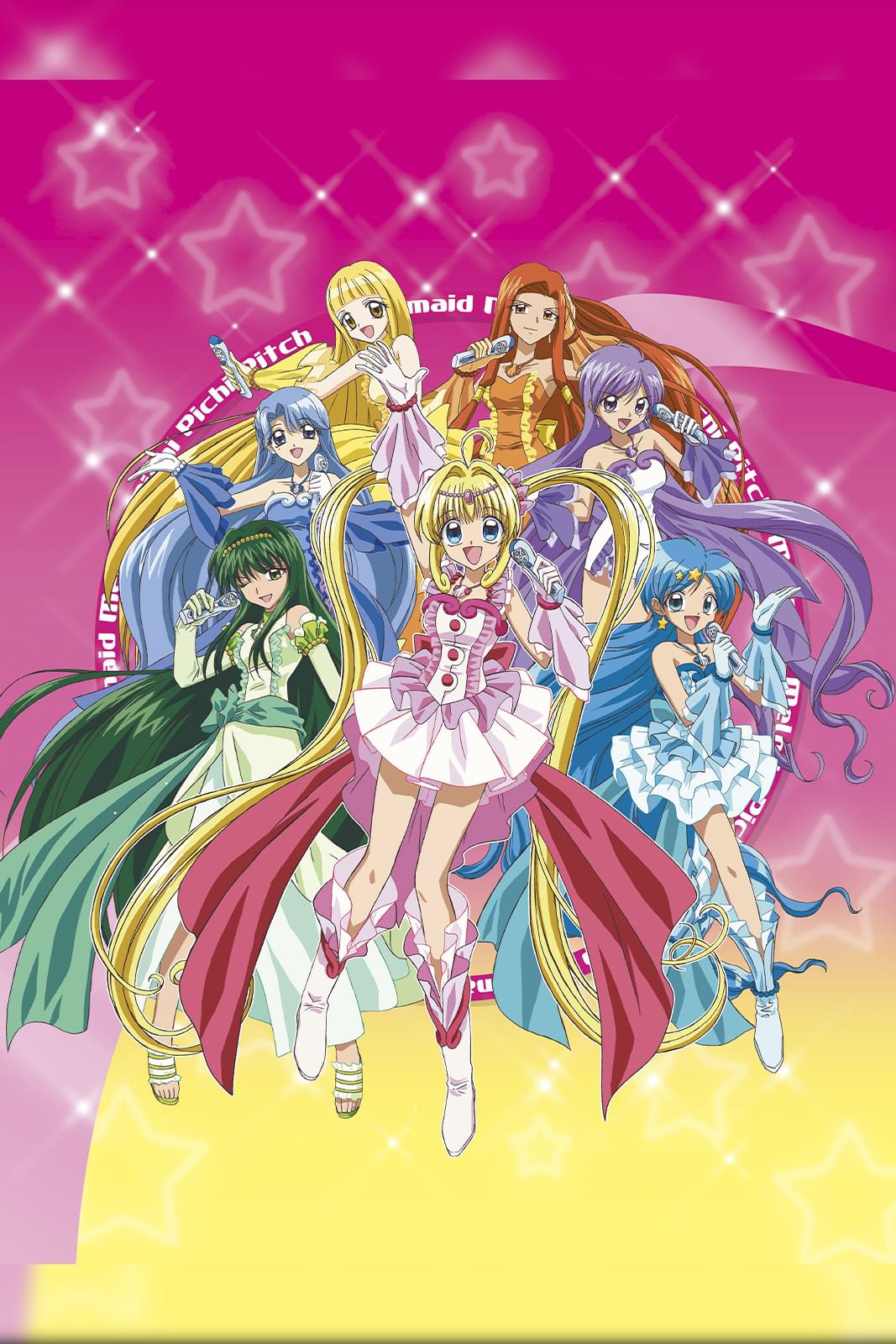
In Mermaid Melody, a confrontation can become a song-led event with its own staging, rhythm and group dynamics. That choice makes music part of the story’s structure: the characters do not merely fight, they perform a response together.
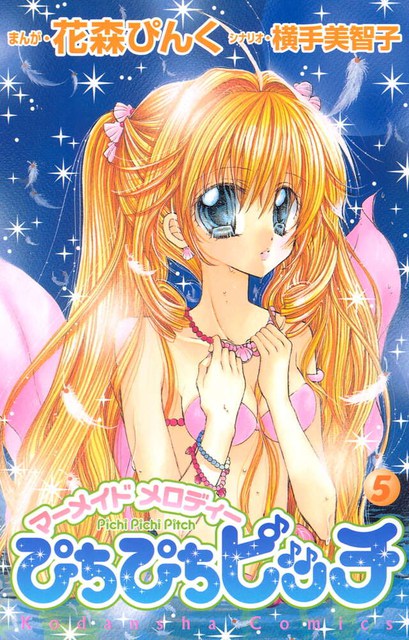
Coverage: Discusses the anime’s song-based confrontations, group coordination and recurring musical motifs in general terms; no later plot developments or song lyrics.
A battle changes when it becomes a song
A conventional magical-girl battle often makes action legible through movement: an attack, a counter and a visible shift in advantage. Mermaid Melody gives its confrontations another organizing principle. The mermaid princesses sing, turning a clash into a performance whose timing and presentation matter alongside the immediate danger. The song does not sit outside the action as decoration. It is the form through which the heroines answer the threat.
That choice changes what viewers attend to. A battle is still a conflict, but it also asks us to notice entrances, vocal presence and the way a performance fills the scene. The emotional register can therefore remain bright and expressive even when the characters are under pressure. Rather than separating the show’s musical identity from its adventure premise, the series makes the performance itself part of how a confrontation unfolds.
The trio makes coordination visible
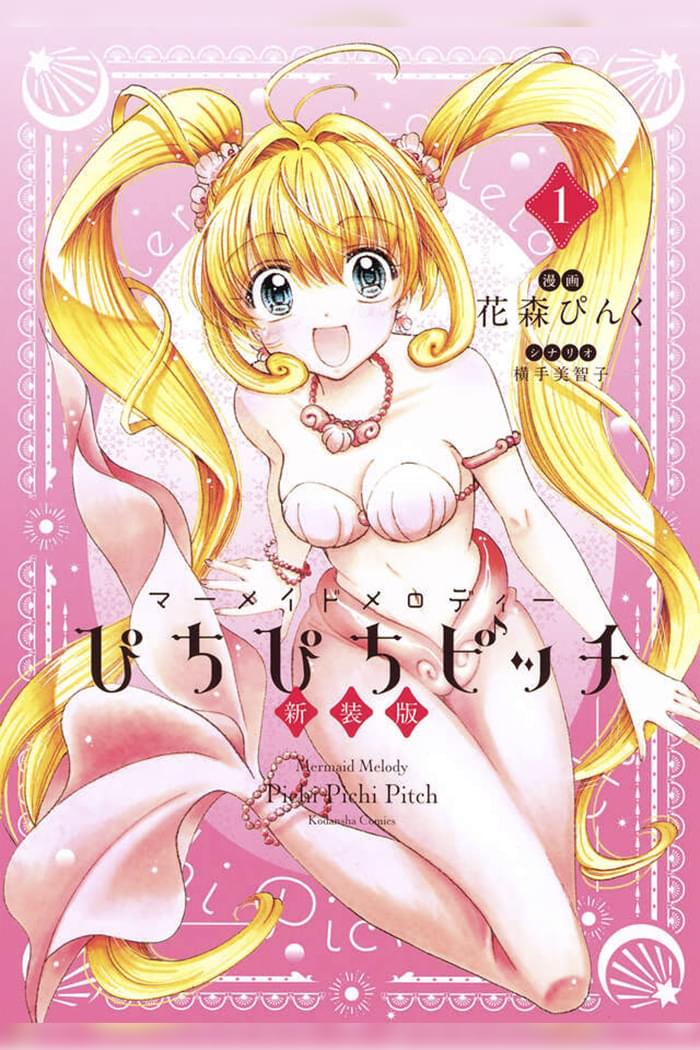
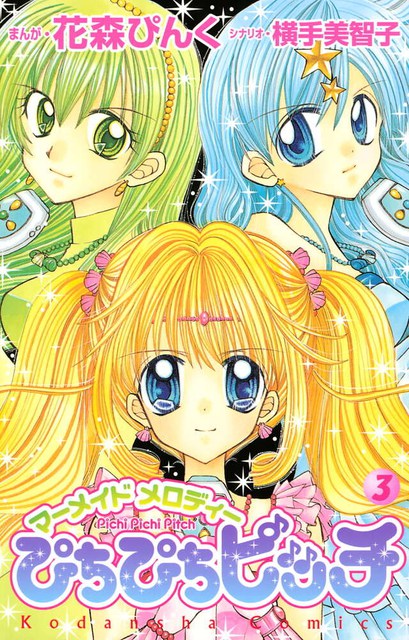
When Lucia acts alongside Hanon and Rina, the group format gives singing a social dimension. Their shared performance makes cooperation audible as well as visible. The characters do not occupy wholly separate stories while a battle happens around them; they contribute to a collective response. That matters in a premise built around mermaid princesses defending the sea, since unity becomes something the scene can stage rather than only a value the plot can state.
Coordination also lets individual presence survive inside the group. Hanon’s outgoing energy and Rina’s reserve are part of how viewers understand them outside a confrontation, and that awareness shapes how a trio reads when it performs together. The spectacle gains meaning from knowing that the singers are not interchangeable. Their cooperation does not require identical personalities; it asks different characters to take part in the same event.
Recurring motifs give action a memory
Musical motifs help the series make repeated confrontations feel connected. A familiar pattern can orient the viewer quickly, creating a recognizable transition into performance and signaling that the story has entered one of its distinctive modes. Repetition here is structural: the show returns to song as a way of framing conflict, giving its episodes a rhythm that can be anticipated without making every surrounding circumstance identical.
That familiarity also changes the emotional meaning of a battle. A recurring musical form carries associations from previous uses, so a new performance arrives with more than its immediate sound. It belongs to a larger vocabulary the series has been building. This need not depend on quoting lyrics or naming a particular song. The point is that the show teaches the audience how to read its musical moments, and then uses that recognition to make each return feel like part of an ongoing story.
Performance unites spectacle and character
The song-led battle gives the anime a way to connect its bright visual display to what its characters are doing together. Transformation and performance can make the princesses striking figures, but the group’s response also communicates purpose: they are taking action against a danger to the sea. The spectacle therefore has a narrative job. Its polish and repetition help turn conflict into an event that belongs unmistakably to this series.
That form makes the magical-girl battle more than a contest of force. It becomes a public expression of character, shaped by voice, timing and solidarity. Lucia’s singing does not erase the private silences that define her human life, and the group’s performance does not make danger effortless. Instead, the musical structure gives them a distinctive way to meet it. Mermaid Melody’s central invention is to make that answer sound like a performance, while keeping the stakes attached to the people who sing.
Primary work & further reading
Primary work: Mermaid Melody. Character and story readings are editorial interpretations. The publisher reference below identifies the work and its premise.