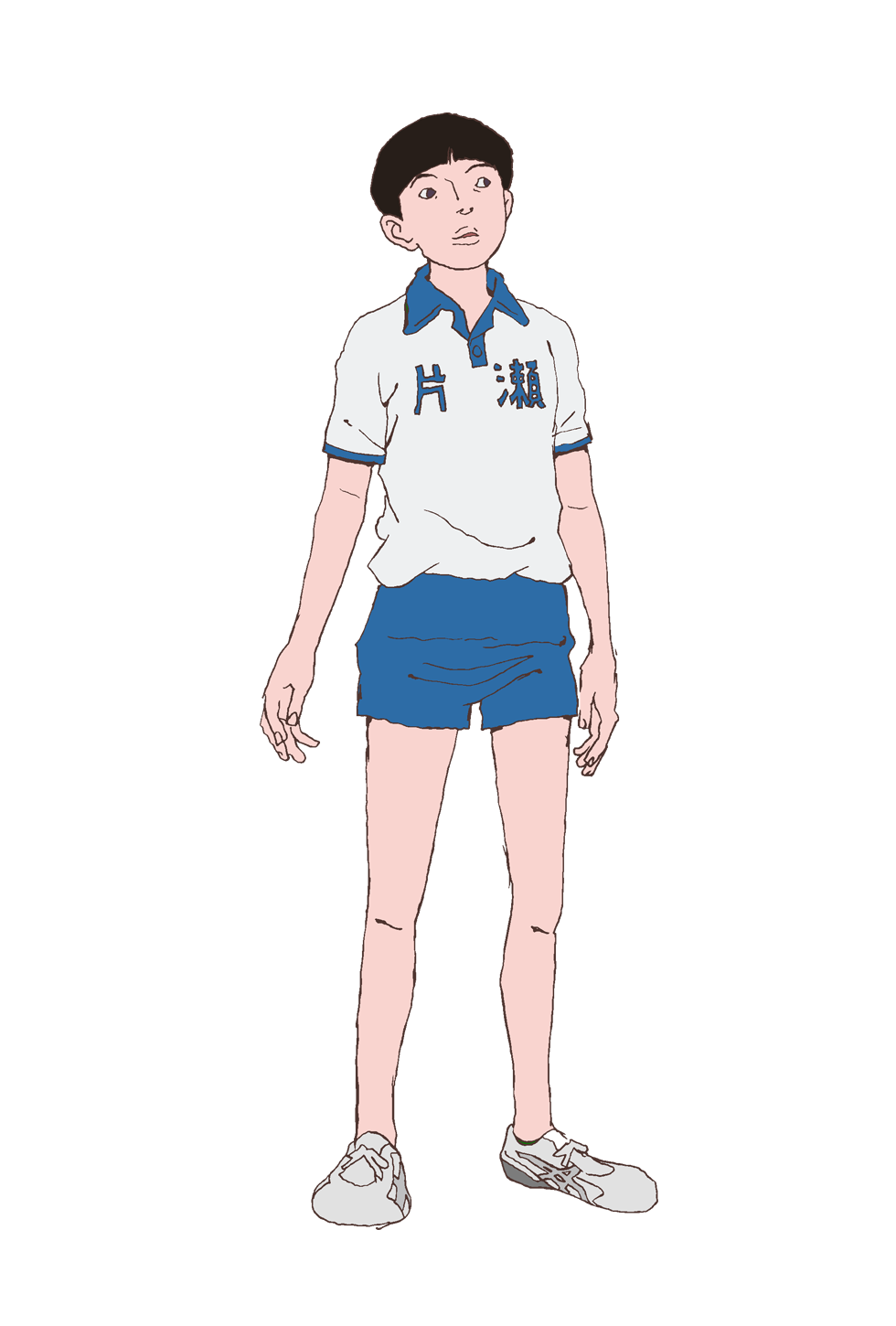
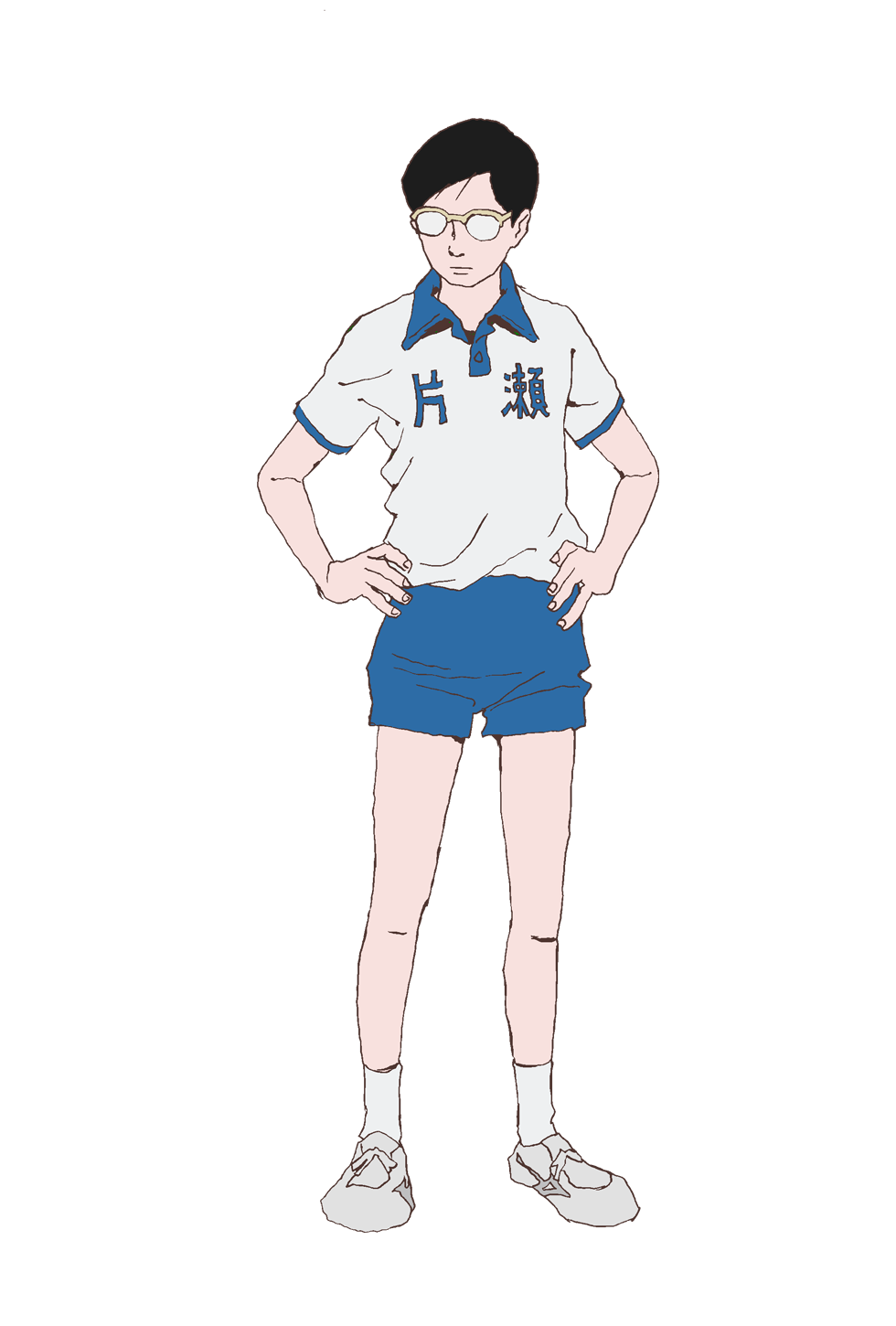
Kong Wenge arrives with a different measure of failure
Kong Wenge arrives in Japan carrying expectations that do not match the place he finds himself in. His early displacement makes failure feel less like a personal flaw than a collision between ambition, reputation, and a new environment.
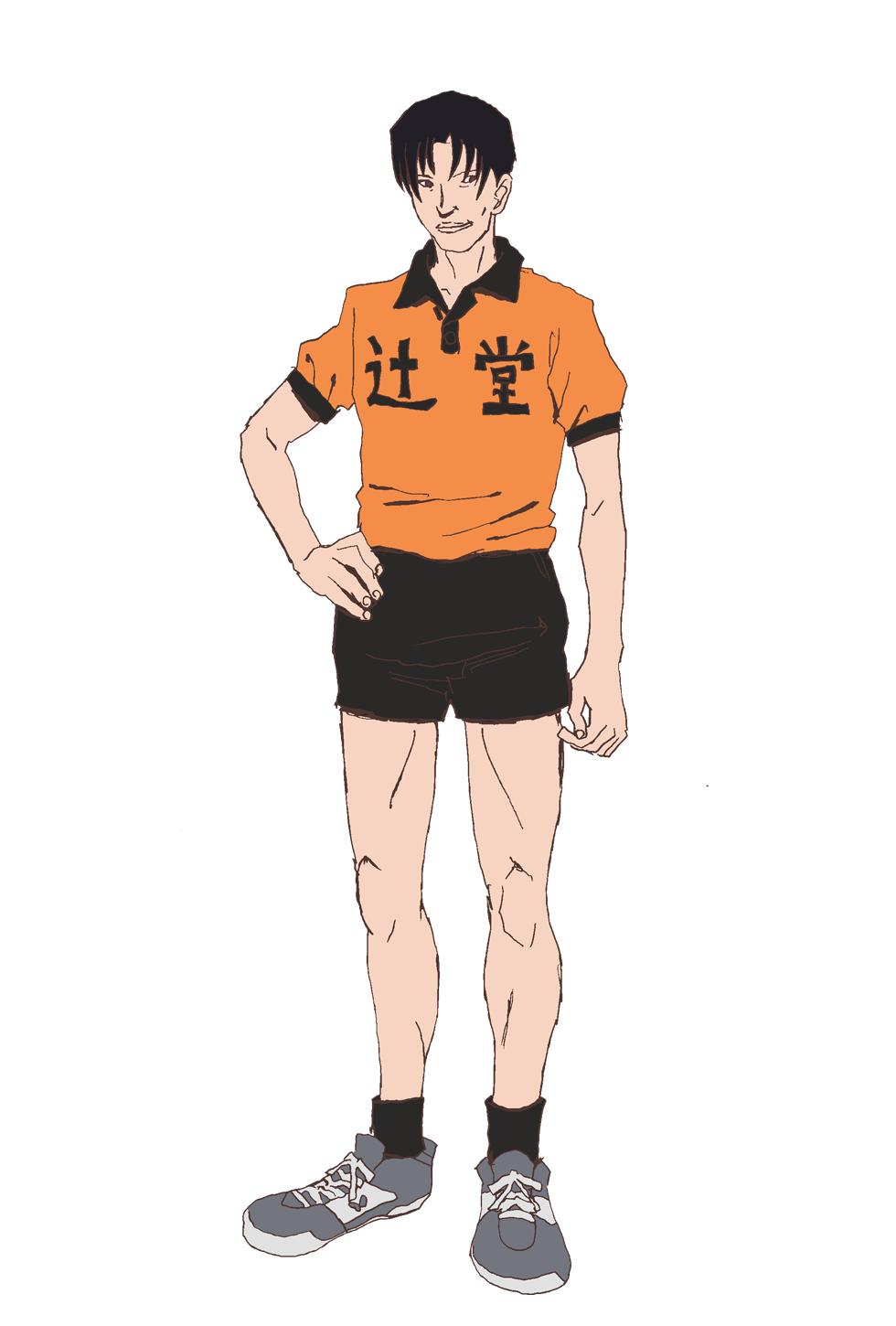
Coverage: Kong’s arrival and early adjustment in Japan; no final outcomes or later revelations.
A reputation travels ahead of him
Kong Wenge’s arrival gives Ping Pong the Animation a new view of its Japanese school setting. He is not introduced as an unknown beginner discovering the sport. He arrives with the bearing of someone accustomed to being taken seriously, and the anime lets that expectation shape how he occupies a room and approaches the table. His confidence has a different texture from Peco’s. Peco’s boasts feel local and playful, tied to a familiar court and a friendship; Kong carries the pressure of an identity formed elsewhere, where his ability has already been recognized and measured.
That reputation can function like an invisible teammate. It tells Kong what he should be capable of before he has had time to understand his new surroundings. The gap between expectation and experience therefore feels personal, even when its causes are not. He is not only reacting to an opponent’s ball; he is confronting the possibility that the standing he brought with him does not automatically translate. The anime makes displacement concrete through his position as a newcomer, separated from the familiar context in which his excellence made sense. The court remains a court, but the social world around it has changed.
Displacement changes the meaning of a loss
For Kong, failure is not simply the sting of losing a point or struggling to impose his game. It threatens the framework that made his effort feel worthwhile. When a player has been expected to excel, a setback can seem to say that the expectation was misplaced. Yet the series encourages a wider reading: Kong’s difficulty also reflects a changed situation. He has crossed into a new environment, where the people, routines, and assumptions around table tennis are unfamiliar. The same ability can feel different when it is no longer supported by the audience and setting that once confirmed it.
This does not make Kong’s disappointment imaginary or excuse him from responding to it. The anime shows how a real competitive setback can acquire extra weight when it appears to contradict a whole self-image. Kong’s frustration is sharpened by the contrast between how he expects to be treated and how the new setting actually receives him. The important point is that the result alone cannot explain his reaction. His sense of failure is also a sense of lost orientation. He must discover whether he can still recognize himself when the familiar signs of status no longer surround him.
A newcomer cannot control the room
Kong’s presence also changes how the local players’ world reads. To those already established in the school’s routines, a match can be one more encounter in a familiar network of rivalries and friendships. Kong enters without the same social map. His skill may make him conspicuous, but being noticed is not the same as belonging. That difference gives his early adjustment an edge: he can be highly visible on the court while remaining a stranger to the meanings other players attach to it. His public confidence cannot resolve the quieter problem of finding a place in a new group.
The series avoids treating this displacement as a simple test of national pride or as proof that one style of play is superior. Kong’s early challenge is more intimate. He has to encounter people who do not automatically respond to him through the reputation he expects, and he must decide what to do when the room does not confirm his status. That change is unsettling because reputation can feel like an extension of the self. Yet the mismatch also opens a possibility: a player can be seen in ways that his earlier environment did not require. The newcomer’s vulnerability is tied to his visibility, not erased by it.
Expectation can become a starting point
Kong’s early story is compelling because the anime makes his ambition understandable without allowing it to settle the question of who he is. His confidence gives him a reason to compete, but it also narrows the terms on which he can interpret a difficult moment. If he expects excellence to be recognized immediately, any delay can feel like a judgment. The pressure is not only to perform well; it is to preserve the person he believes others already know. That is a demanding burden for someone adjusting to unfamiliar surroundings.
The early episodes place Kong at the point where those two demands begin to separate. He can treat displacement as evidence that his previous measure of success has failed, or as a sign that he must learn how to measure himself in a changed setting. The anime does not need to erase the sting of disappointment to make that possibility visible. His arrival shows that failure is never just a number when expectations have traveled with the player. For Kong, the harder task is not protecting a reputation intact, but finding a way to compete after reputation stops telling him what to expect.
Primary work & further reading
Primary work: Ping Pong the Animation. Character and story readings are editorial interpretations. The publisher reference below identifies the work and its premise.