IN FOCUSDisgaeaBanana FishMermaid MelodyAzumanga DaiohGenshin ImpactStar RailElden Ring

Manga · Page 2

Close readings of characters, pages, and stories, from school comedy to epic adventure.

83 articles

Page 2 of 4
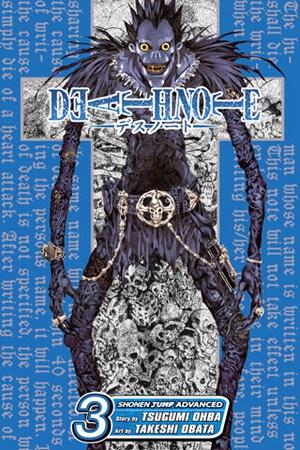
Death Note, Vol. 3 — official publisher catalog cover
Death Note

What Ryuk finds entertaining

Ryuk brings the supernatural into Light’s ordinary room with an unsettling lack of ceremony. His boredom, appetite for apples and refusal to advise make the notebook feel less like a moral test administered from above than a power left in human hands.

Character analysis · 4 min
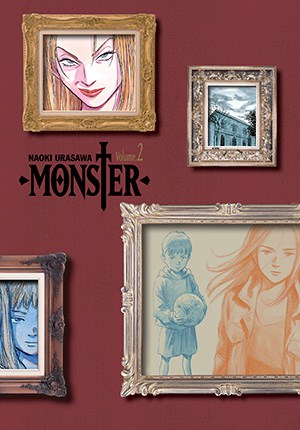
Monster: The Perfect Edition, Vol. 2 — official publisher catalog cover
Monster

The hierarchy inside Monster's hospital

Monster’s opening chapters turn hospital rank into a quiet struggle over who receives attention. By keeping the conflict inside ordinary professional routines, the manga shows how career pressure can shape care before anyone names it as power.

Manga analysis · 3 min
Pluto: Urasawa x Tezuka, Vol. 4 — official publisher catalog cover
Pluto

North No. 2 would rather learn the piano

North No. 2’s early story places the discipline of service beside the possibility of a different life. His work for Paul Duncan and his attention to the piano make the wish for music feel like a choice with real weight.

Character analysis · 3 min
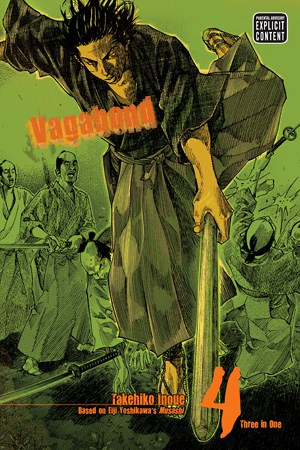
Vagabond (VIZBIG Edition), Vol. 4 — official publisher catalog cover
Vagabond

Takuan challenges the kind of strength Takezo understands

When Takuan enters Takezo’s early story, the conflict shifts from whether the fugitive can overpower his pursuers to whether power is the only measure he recognizes. Their encounter makes self-command feel more difficult than winning a fight.

Character analysis · 4 min
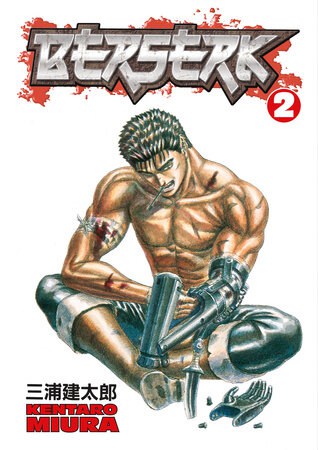
Berserk Volume 2 — official publisher catalog cover
Berserk

Puck refuses to see the world exactly as Guts does

Puck’s small, expressive presence changes the emotional register of Berserk’s opening. Against Guts’s guarded force, he brings humor and a watchful response to suffering that asks readers to see more than the next fight.

Manga analysis · 3 min
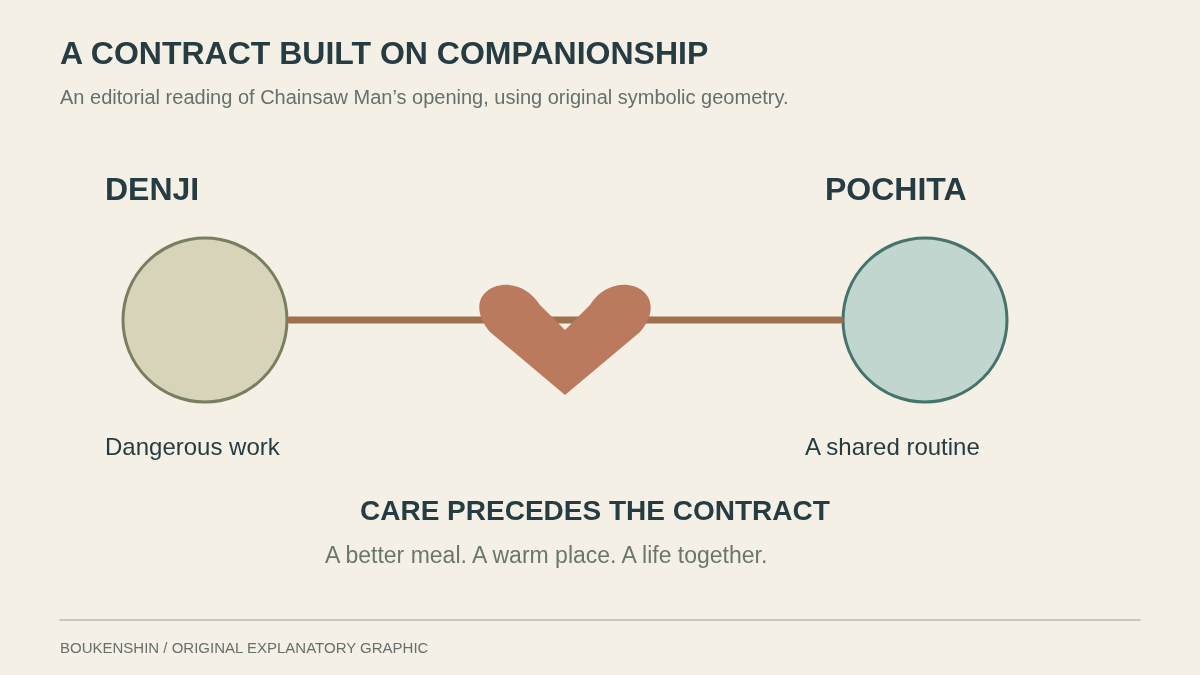
An original relationship diagram: Denji and Pochita share work, care and ordinary hopes
Chainsaw Man

Pochita makes the opening contract an act of companionship

Pochita begins as Denji’s devil partner and working companion, but their bond is built from shared hardship as much as supernatural power. In the opening chapter, the contract reads as a promise between two beings who have learned to depend on each other.

Manga analysis · 3 min
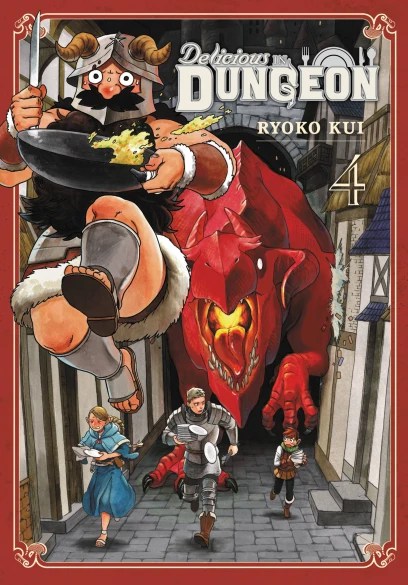
Delicious in Dungeon, Vol. 4 — official publisher catalog cover
Delicious in Dungeon

Senshi has a meal to prepare

Senshi’s cooking is built from observation, preparation, and a steady sense of what a traveling party needs. His meals make care tangible in a place where survival depends on treating ordinary work as essential.

Character analysis · 4 min
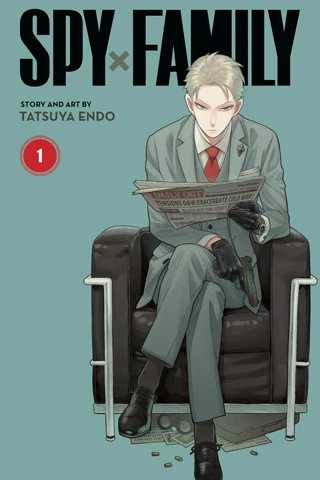
Spy x Family manga volume 1 cover
Spy x Family

Loid's planning fails at ordinary parenting

Loid can prepare for an operation by studying its risks, but a child and a school application refuse to behave like predictable targets. In the early Eden admission episodes, his skill turns into a source of comic strain—and a measure of how much parenting asks him to improvise.

Character analysis · 4 min
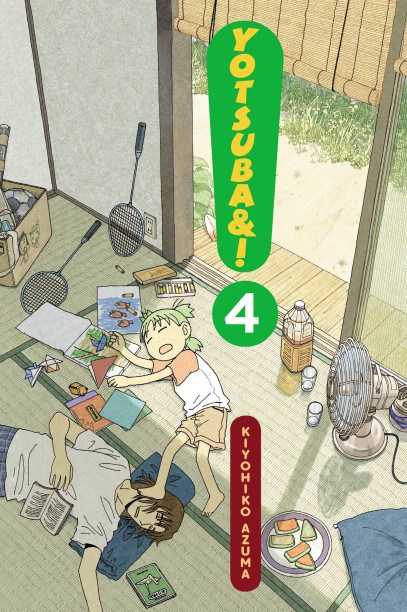
Yotsuba&!, Vol. 4 — official publisher catalog cover
Yotsuba&!

Koiwai's parenting leaves room for a child's logic

Yotsuba&! finds much of its warmth in the space Koiwai gives his daughter to interpret ordinary life in her own way. Their comic exchanges show care as a mix of practical boundaries, patient attention, and play.

Character analysis · 3 min
A Silent Voice 2 — official publisher catalog cover
A Silent Voice

What Shoko's notebook asks of her classmates

Shoko’s notebook is more than a substitute for speech: it makes visible who is expected to adapt, wait, and take part in a conversation. The manga’s classroom scenes ask readers to notice how communication depends on everyone present.

Character analysis · 4 min
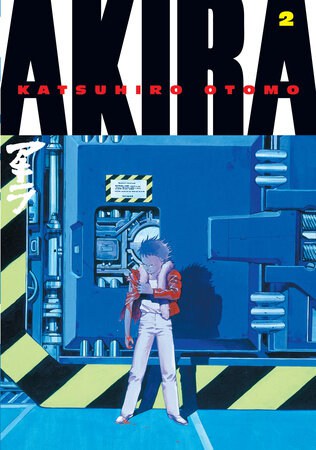
Akira 2 — official publisher catalog cover
Akira

Kaneda's swagger depends on having an audience

Kaneda’s early confidence is a performance built for the streets and the people who know him. His leadership among the bikers makes the audience around him essential: without friends and rivals to answer, swagger would have little purpose.

Character analysis · 4 min
フルーツバスケット 3 — official Japanese publisher catalog cover
Fruits Basket

Kyo's anger comes from being kept outside the circle

In Fruits Basket’s opening chapters, Kyo’s temper is easy to mistake for the whole story. His place as the Cat in a household organized around the zodiac gives that anger a sharper meaning: he is reacting to exclusion as much as to conflict.

Manga analysis · 3 min
あずまんが大王(2) — official publisher catalog cover
Azumanga Daioh

An afternoon at Chiyo Mihama's house

Visits to Chiyo’s home shift the ensemble’s usual school setting and let differences in age, comfort, and means surface through ordinary interaction. The change of place widens the comedy without abandoning its intimate scale.

Story analysis · 4 min
One Piece, Vol. 2 — official publisher catalog cover
One Piece

Nami's maps make freedom a practical skill

Nami’s navigation turns freedom from a rousing idea into work: reading the sea, choosing a route, and judging who can be trusted with the result. Her early partnership with Luffy is guarded because her expertise and independence both matter.

Character analysis · 3 min
Naruto, Vol. 3 — official publisher catalog cover
Naruto

Sakura sees a different Team 7 after the bell test

The bell test makes Sakura confront a gap between the team she imagined and the one she has joined. Its lesson is not that her early feelings are foolish, but that attention must become responsibility before a group can work.

Character analysis · 3 min
Hunter x Hunter, Vol. 2 — official publisher catalog cover
Hunter x Hunter

Leorio wants to become a doctor

Leorio’s ambition puts money and professional purpose beside the exam’s spectacle. His arguments with the other applicants can sound self-serving, yet his medical goal makes clear why material resources matter when someone wants to help another person.

Character analysis · 4 min
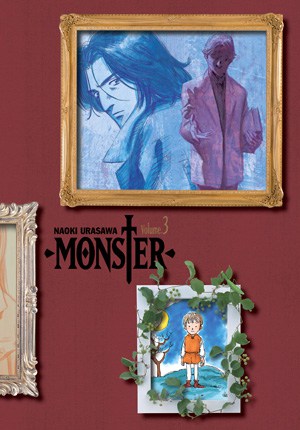
Monster: The Perfect Edition, Vol. 3 — official publisher catalog cover
Monster

Tenma's skill gives him responsibility without certainty

Tenma’s surgical confidence can solve an urgent physical problem, but it cannot settle the moral questions that follow his choice. Monster uses his competence to sharpen the difference between acting responsibly and knowing what an action will mean.

Character analysis · 3 min
Pluto: Urasawa x Tezuka, Vol. 3 — official publisher catalog cover
Pluto

Pluto makes a robot's face into a question of attention

Pluto’s robot designs invite the reader to look past the idea of a single machine appearance. Through restrained expressions and sharply varied forms, the manga makes recognition an act of attention rather than a reward for looking human.

Visual analysis · 3 min