
Final Fantasy IX
Vivi's first steps through Alexandria
In Alexandria, Vivi’s curiosity about black mages meets the unsettling sight of soldiers who look like him. The contrast makes his early uncertainty a question of personhood, not just identity.
Character essays, game guides, story analysis and close readings. Pick a series or search for something specific.
In Alexandria, Vivi’s curiosity about black mages meets the unsettling sight of soldiers who look like him. The contrast makes his early uncertainty a question of personhood, not just identity.

Mob’s psychic power makes physical weakness look like a problem he could ignore. His early connection to the Body Improvement Club reframes strength as a patient, social practice: something he can pursue beside other people, on ordinary terms.

In the aftermath of Sekigahara, Takezo’s physical power keeps him alive but offers no answer to what he should become. The manga’s fugitive opening makes survival feel less like victory than an unfinished question.
At the Millennial Fair, curiosity is the point: the game lets small decisions feel like play before revisiting them in court. The trial turns those lighthearted gestures into evidence, making attention itself part of the adventure.
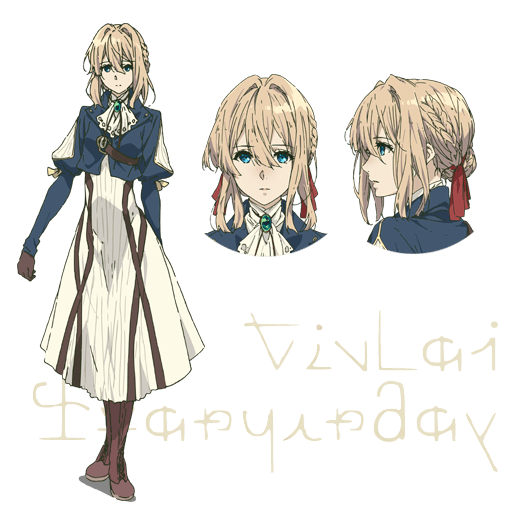
In the early TV series, Violet’s work as an Auto Memory Doll turns transcription into a difficult act of listening. Her apprenticeship asks what language can carry when a client’s words fall short of what they feel.

Thorfinn’s life among mercenaries looks like a path toward strength, but his aim is smaller than victory. His fixation on Askeladd gives every skill and danger a single purpose—and leaves little room to imagine what comes next.
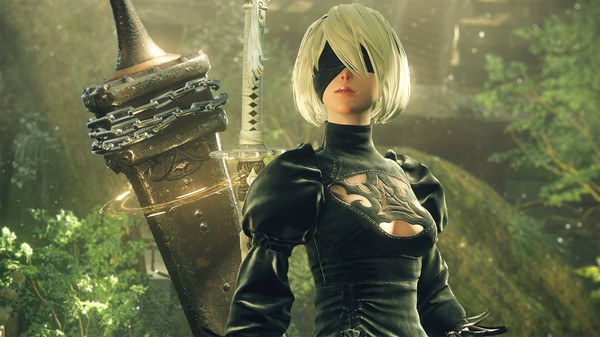
The first hours place 2B inside a role that demands precision and emotional control. Her composed partnership with 9S gives the opening its tension: duty keeps the mission moving, while small signs of feeling make that discipline look costly.

A taxi ride in Odd Taxi is more than a pause between destinations. Odokawa’s guarded attention makes casual talk feel consequential, while the cab’s cramped quiet gives the series a distinctive way to build its mystery.

In Berserk’s opening, Guts arrives as a figure defined by force and distance. His enormous sword makes that strength visible, but the way he carries himself turns the weapon into a sign of what power costs.
In NieR Replicant ver.1.22474487139, saving the world begins as a brother’s effort to care for his sick sister. Yonah’s letters keep that domestic bond vivid even as the search for a cure grows outward.

Akane Tsunemori enters the Public Safety Bureau expecting to serve justice, then meets a case in which procedure, fear, and a person’s immediate safety pull in different directions. The opening makes judgment feel like work.

Before Denji can imagine a life beyond survival, he gives that life a modest shape: toast with jam, a warm bed, and someone beside him. The opening makes these ordinary wants feel both tender and painfully out of reach.
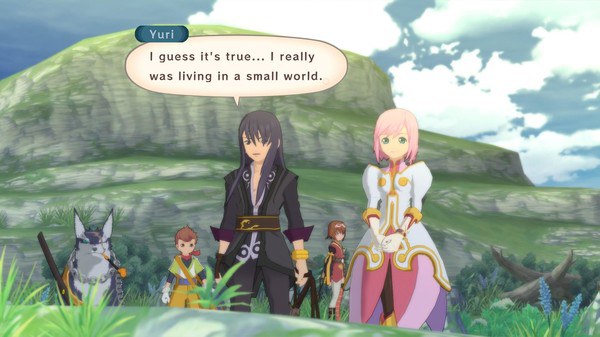
Two friends share a concern for people harmed by power, yet place their faith in different remedies. Their early contrast gives Tales of Vesperia a sharp question about whether justice starts within institutions or beyond their reach.

Mugen and Jin share a road but seem to occupy different physical worlds. Their clashes make improvisation and discipline legible through timing, space, and the way each man responds when a fight refuses to follow his terms.
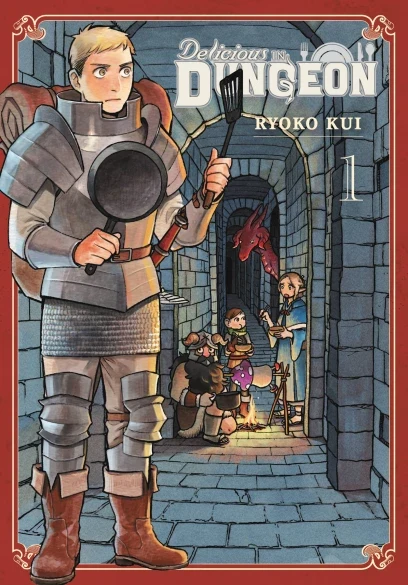
A rescue mission becomes a lesson in how attention can keep a party alive. Laios’s fascination with monsters supplies practical knowledge, while the need to eat turns curiosity into a shared method of survival.
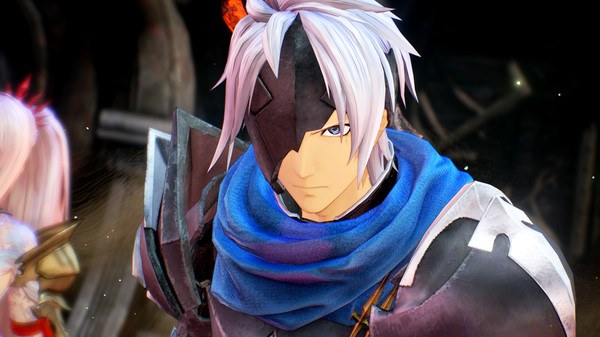
In Calaglia, Alphen’s inability to feel pain makes his body look like an uncomplicated instrument of resistance. The opening story instead uses that absence to question what courage costs when suffering cannot warn its bearer.

A radio host tries to make sense of a story crowded with gangsters, passengers, and impossible coincidences. The series turns that uncertainty into a question about whose account deserves the center.
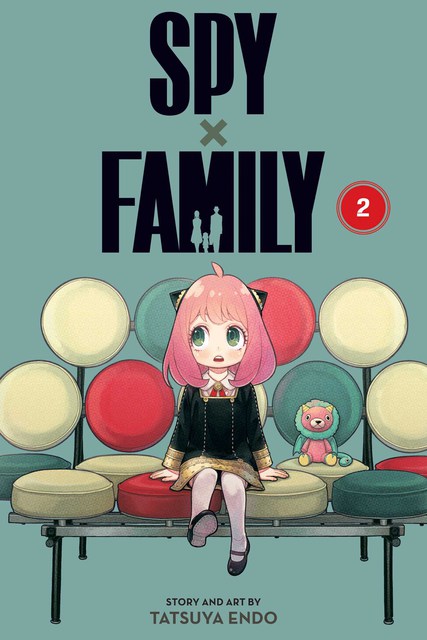
Anya’s telepathy gives her a private view of the adults around her, but it cannot make them understand one another. That gap turns a cover arrangement into something more tender—and more precarious—than its participants planned.
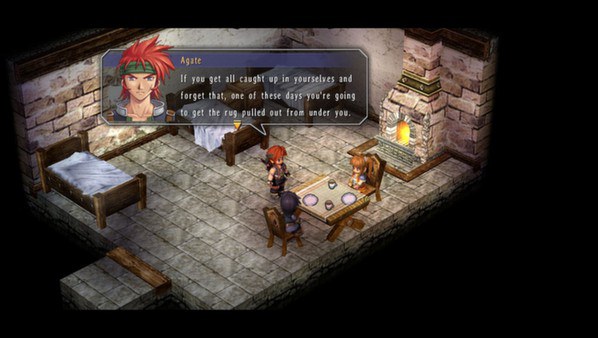
In Rolent, Estelle’s energy can make ordinary errands feel like the beginning of an adventure. Her confidence gives the opening of Trails in the Sky its warmth—and makes service to a community feel like a worthy ambition.

Naota’s practiced boredom gives him a way to seem older than the people around him. In FLCL’s opening stretch, that pose meets a town where the impossible keeps barging into ordinary life—and where composure is harder to maintain than it looks.
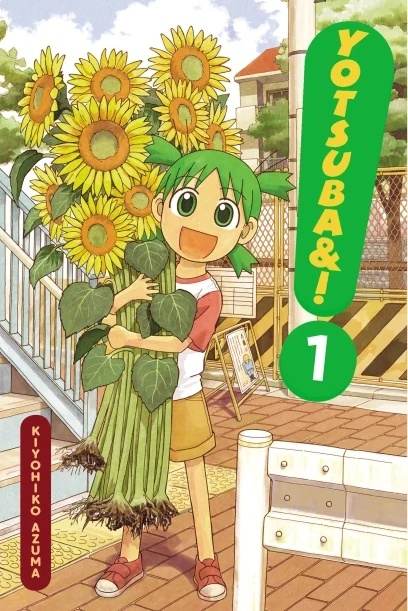
Yotsuba’s arrival in a new neighborhood turns relocation into a chance to encounter the familiar world afresh. The manga’s opening finds adventure not in distance traveled, but in the attention a newcomer brings to ordinary surroundings.
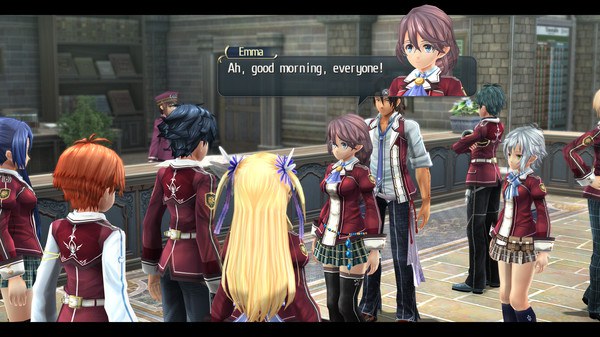
At Thors, inherited rank and earned ability share the same classroom, but they do not carry the same assumptions. Jusis and Machias make Class VII’s social experiment feel less like a slogan than a daily negotiation.

Rakka is welcomed into Old Home with patience, food, and a name, yet the circumstances of her arrival keep that welcome from feeling simple. Her first days show how care can comfort while leaving the central mysteries untouched.

Shoya’s return to Shoko begins with a notebook and a carefully rehearsed phrase. The manga asks what an apology can mean when the person offering it must learn to listen, accept uncertainty, and change how he meets others.