Alphen, Shionne, and the problem of touch
In Calaglia, Alphen’s inability to feel pain makes his body look like an uncomplicated instrument of resistance. The opening story instead uses that absence to question what courage costs when suffering cannot warn its bearer.
Coverage: Covers the opening Calaglia premise and Alphen’s first encounters with Shionne; no recovered-memory material.
A mask that hides more than a face
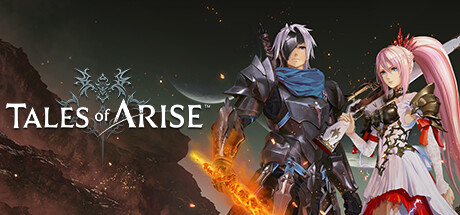
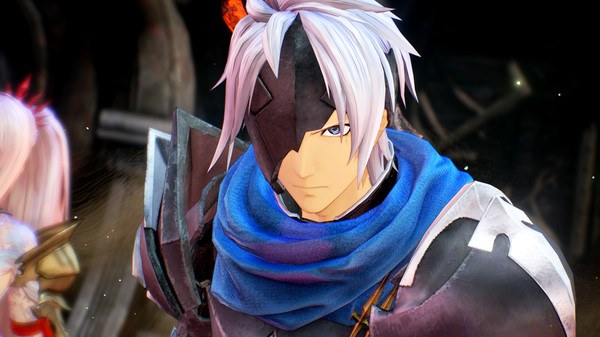
Alphen enters Tales of Arise as the Iron Mask, a Dahnan slave whose name and past have been taken from him. The mask gives the title a blunt visual meaning: it covers a face, but it also makes him legible to the people around him as a tool. His captors need not know who he is to direct his labor. His body is present, useful, and socially anonymous. The premise makes that anonymity more than a mystery to solve; it is part of the structure that keeps him under control.
His inability to feel pain complicates this image. A wound that would ordinarily interrupt work or announce danger can pass without the body's usual alarm. That can appear to make Alphen an ideal heroic figure: he can endure what others cannot. Yet the opening Calaglia material frames the trait as a vulnerability before it becomes an advantage. Pain is information as well as suffering. Without it, Alphen cannot rely on bodily sensation to tell him when he is being harmed, and endurance can become indistinguishable from damage he has not noticed.
The wound without its warning
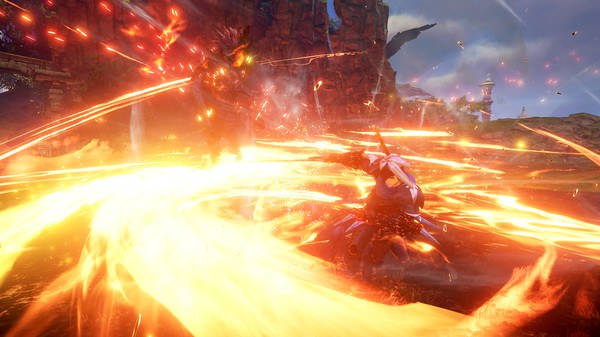
The story places Alphen in a world where violence is not an exceptional interruption but part of ordinary rule. Dahnan labor serves Renan masters, and the threat of punishment hangs over the routines of slavery. In that setting, the missing pain does not make him free of harm. It changes how harm registers. His body can be injured without giving him the ordinary signal that might make him stop, pull away, or ask for help. The distinction matters: a person who cannot feel pain has not escaped the violence inflicted on him.
That gap between injury and awareness reshapes the idea of a heroic wound. Familiar adventure stories often treat a scar or blow as visible proof of sacrifice, a mark that confirms the hero has stood between danger and someone else. Alphen’s condition unsettles that logic. If he cannot feel the wound, the body cannot serve as a clear measure of what he has endured. Heroism must be read through what he chooses to do and how others respond, not through a performance of suffering that the character himself cannot access.
Shionne makes the body relational
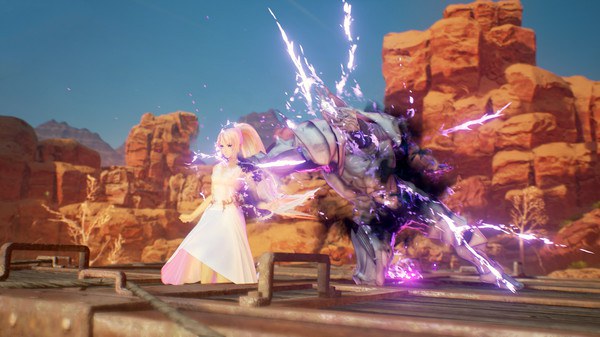
Shionne's thorns bring a different bodily limit into Alphen's path. Her touch harms anyone who comes into contact with her, so closeness is not a neutral gesture. Where Alphen's condition removes a warning from his own experience, hers makes the possibility of pain visible to other people. Their first partnership therefore begins with a practical contradiction: they need one another in a hostile place, but ordinary human contact carries risk.
This pairing keeps the story from treating Alphen’s body as a self-sufficient weapon. He may not receive pain as a warning, but other people can still be hurt, and their limits demand attention. Cooperation means more than putting his endurance to use. It requires recognizing that the body in front of him has needs and dangers that his own experience cannot automatically explain. Shionne's presence shifts the question from how much Alphen can withstand to whether he can act with another person rather than simply through himself.
Courage measured by attention
In early Calaglia, Alphen's resistance takes place under conditions he did not choose: the mask, enslavement, and an unusual absence of pain all make his body seem available for use. His emerging defiance matters because it refuses that assigned purpose. Still, the game does not need to turn his incapacity into a simple superpower for that refusal to count. His courage is not proof that suffering has ceased to matter; it is the decision to act in a system designed to make the Dahnans' lives and injuries seem disposable.
That reading also gives his partnership with Shionne its early force. The two do not meet as symbols of effortless compatibility. They meet as people whose bodies create different problems and whose aims nevertheless make cooperation necessary. Alphen's missing pain changes the meaning of the heroic wound because it removes the easy equation between injury and noble sacrifice. In its place, the opening offers a harder measure of heroism: attention to harm, a refusal to accept dehumanization, and action that makes room for another person's limits.
Primary work & further reading
Primary work: Tales of Arise. Character and story readings are editorial interpretations. The publisher reference below identifies the work and its premise.