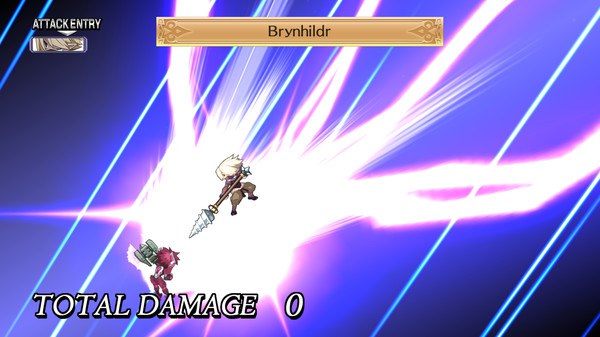
Disgaea 4
Disgaea 4’s Cam-Pain HQ makes party building a map decision
A practical guide to using Disgaea 4’s Cam-Pain HQ and Evil Symbols as deliberate battle preparation, with a simple way to test placements before committing to a formation.
Stats, equipment, materials, adaptation records, and other factual companion pages. Looking for something to read? Browse the articles.
A practical guide to using Disgaea 4’s Cam-Pain HQ and Evil Symbols as deliberate battle preparation, with a simple way to test placements before committing to a formation.
Item Reincarnation makes equipment progression in Disgaea 7 more than a straight climb in level. The system asks you to weigh an item’s developing potential against the practical cost of changing what the item is and how it fits the party.
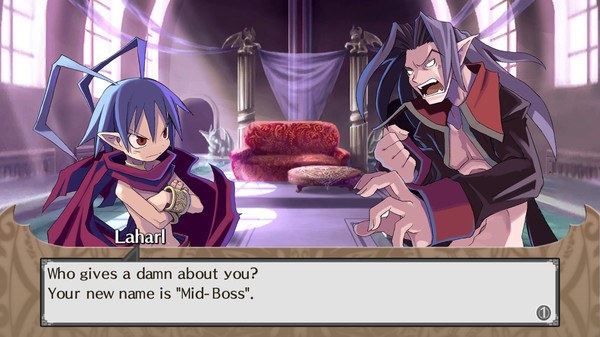
In Disgaea’s opening, inheritance gives Laharl a title and a problem: he must claim authority from the father whose rule he insists he no longer needs. Etna and Flonne turn that contradiction into a lively contest over what leadership means.
A sardine-loving vampire begins his rebellion over a failed obligation to the Prinnies he trains. Valvatorez’s stubborn code gives Disgaea 4 a comic but pointed way to connect personal trust with public responsibility.
Etna’s ambition gives the original Disgaea party a practical center. Her control of the Prinnies, sharp irreverence toward Laharl, and uneasy partnership with Flonne keep the story’s competing ideas of power from becoming simple caricatures.
Fenrich wants Valvatorez to rule the Netherworld, while Valvatorez insists on acting from principle. Their difference makes Fenrich’s cunning more than comic manipulation: it is a way of arranging power around a cause he cannot simply command.
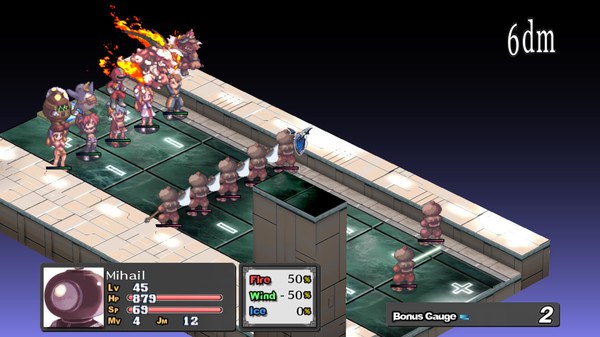
In the original Disgaea, lifting an adjacent ally and throwing it to a legal tile lets one unit extend another’s reach. The throw spends the thrower’s action, and each unit’s position and movement range still shape the route.

Fuka insists that Hades is a dream even as her Prinny outfit places her among its condemned souls. Beside Desco, whose fantasy is to become a final boss, she turns denial into the beginning of an unlikely family.
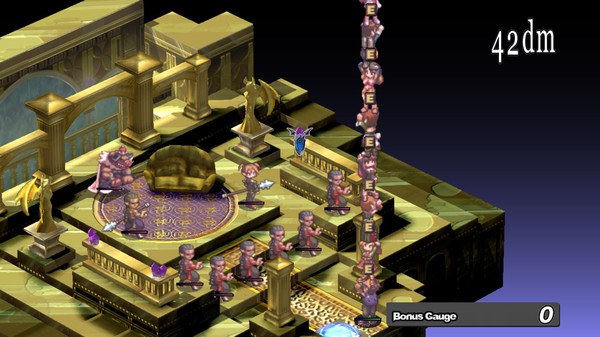
In the original Disgaea, the Item World places random battle floors inside equipment. Its exit gates, ten-floor return milestones, and Mr. Gency’s Exit make leaving part of the plan, while Geo Panels can change how safely you cross each map.
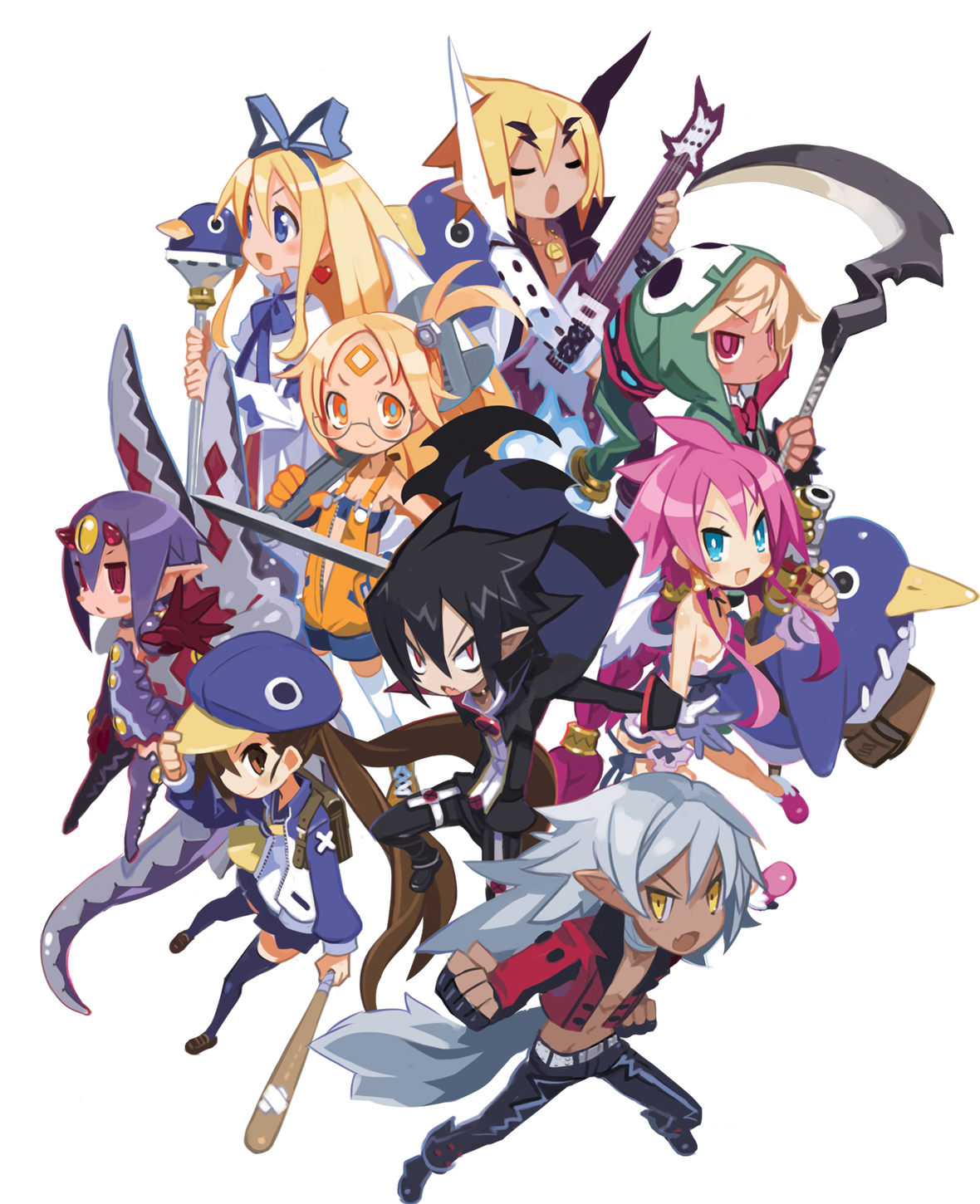
Disgaea 4 wraps its rebellion in the routines of government, giving the Cam-pain HQ and its assembled allies a tactical purpose. The campaign’s administrative comedy makes preparation feel like part of the struggle over who gets to rule.

His claim to the Netherworld depends on looking invulnerable. Flonne keeps asking the one question a sword cannot settle.

The spear and the insults are visible. Her ability to puncture Laharl’s self-importance does the quieter work.

Her questions about demons and love keep turning victories into unfinished conversations.

Disgaea 4 builds its revolution around a vampire whose ridiculous food obsession sits beside an unusually serious idea of keeping his word.

The werewolf wants his lord restored to greatness. Valvatorez keeps making greatness difficult to manage.

One treats the Netherworld like a dream; the other treats being a final boss like a vocation. Their relationship makes both performances less lonely.

An angel presented through theft is exactly the sort of contradiction this Netherworld needs.

The penguin disguise and explosive punchline keep returning to a less comfortable question: who is allowed to be disposable?