Princess Tutu makes ballet a way to negotiate
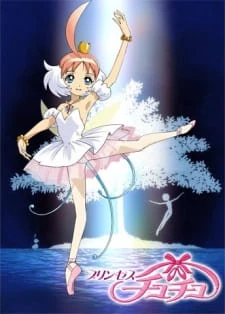
In Princess Tutu, ballet gives conflict a language of attention and response. The dance can shape how characters meet one another, making performance a way to negotiate feeling rather than a display of force.
Coverage: Early-series dance and conflict premise; no ending or later revelations.
Movement opens a conversation
Princess Tutu’s ballet is often framed as an encounter. A conflict places characters at odds, but dance creates a temporary structure in which each can be watched and answered. This is different from treating a performance as a decorative pause between plot events. Movement becomes a way of addressing someone when ordinary conversation has failed or cannot reach the feeling at stake. The question shifts from who can overpower whom to what a response might make possible.
That shift gives the series a distinctive idea of action. A dancer acts by shaping attention: gesture, posture and rhythm can make an emotion legible without reducing it to a spoken explanation. The audience within the story is part of that exchange, since a performance matters when someone receives it. Ballet therefore works as communication, but not as a code with one fixed translation. Its meaning depends on the people meeting through it.
Conflict without a simple victory
A fight usually encourages a winner-and-loser reading. The physical outcome settles who controls the space, at least for the moment. Princess Tutu places ballet against that expectation. Dance can interrupt hostility and offer a different way to approach a conflict, one that depends on attention and feeling rather than visible injury. Its force lies in what it asks a character to notice or confront, not in a tally of blows.
This does not make dance a magic eraser for disagreement. A performance can create an opening without making two characters agree, and an emotion brought into view may be painful rather than soothing. That limitation is important. If ballet solved every problem at once, it would be a prettier form of command. Instead, the series presents it as a negotiation: an attempt to reach another person while leaving room for that person’s response.
The performer is also exposed
Ballet’s communicative power comes with risk for the dancer. To perform is to put a feeling into a form that another person can see and interpret. The performer gives up some control over how the gesture will be received. That vulnerability separates Princess Tutu’s dance scenes from displays of mastery meant only to impress. Grace may draw the eye, but the deeper stakes lie in what the dancer is willing to reveal and whether anyone on the other side can meet it.
The form also demands discipline, which prevents emotional expression from looking effortless. Ballet’s controlled movement offers a container for feeling, but the container does not remove the labor behind it. That tension makes the performance persuasive: emotion is present, yet shaped. In a story interested in people who struggle to connect, the visible effort of shaping a response becomes part of the message. The dancer does not simply emit feeling; she makes an appeal.
An appeal that leaves room for refusal
Negotiation is different from persuasion that guarantees success. A dance may offer compassion, invite recognition or redirect a moment of conflict, but the other person is still a participant, not a prop. Princess Tutu’s use of ballet is strongest when we feel that uncertainty. The performance changes the terms of an encounter without claiming that one person can dictate what another must feel. That keeps empathy from becoming another kind of force.
Ballet, then, gives the series a way to stage conflict as a question of relation. Its elegance can hold tension rather than hide it; a performance can be both an act of hope and an uncertain bid for contact. This is why dance reads as more than beauty or combat. It allows characters to negotiate a response in public, through movement that must be witnessed. The appeal may not settle everything, but it makes a different answer imaginable.
Primary work & further reading
Primary work: Princess Tutu. Character and story readings are editorial interpretations. The publisher reference below identifies the work and its premise.