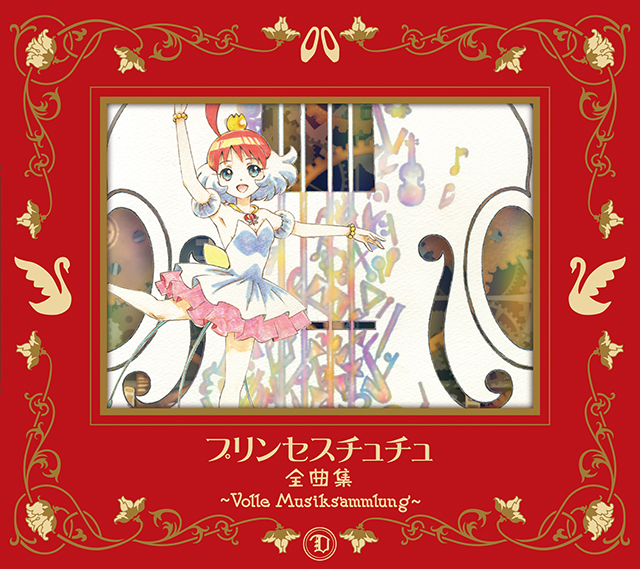
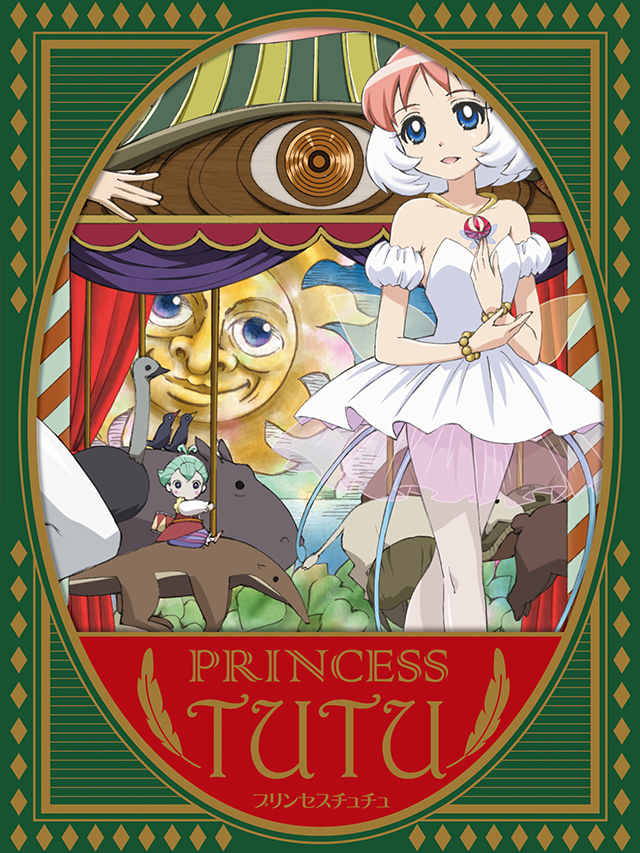
Ahiru is still learning to stand like a ballerina
A duck’s wish to dance becomes a story about the distance between admiration and ability. Ahiru’s awkwardness gives her kindness weight, making Princess Tutu’s opening feel tender without making effort look easy.
Coverage: Opening premise and early setup only; no ending or identity twists.
A wish that begins in the audience
Ahiru’s story begins with a wish pointed outward. As a duck, she watches the ballet dancer Mytho and longs to join the world his dancing seems to open. A mysterious transformation gives her a human shape and a chance to pursue ballet. That premise could make dancing a simple prize for wanting it badly enough. Instead, the gap between Ahiru’s desire and her skill stays visible, and that gap gives the opening its emotional center.
Her transformation changes what she can attempt, but it does not make her an accomplished dancer. Ahiru’s enthusiasm carries her into situations where other people seem more composed, and her body does not always cooperate with the image she has in mind. The comedy in that mismatch matters: the series lets her be funny without treating the wish itself as foolish. Her hope survives the embarrassment because it is sincere, not because she is secretly already perfect.
Clumsiness makes effort legible
Ballet makes awkwardness especially hard to hide. A dancer’s movements invite comparison with an ideal of poise, balance and control, so Ahiru’s slips and uncertainty read as more than a running gag. They show how far she has to travel from the graceful figure she admires. The series uses that distance to keep aspiration physical. We see a girl who wants to dance, not an abstract symbol of optimism whose effort can be assumed offscreen.
That distinction also makes her persistence more affecting. Ahiru cannot rely on natural polish to make the audience accept her as a dancer. She has to keep entering a space where she may look ridiculous, and her willingness to do so suggests a form of courage that does not depend on confidence. Clumsiness is not a virtue in itself; it is the condition that makes each attempt cost something. Her desire feels real because success is not guaranteed by the premise.
Kindness turns attention into action
Ahiru’s emotional importance also comes from what she notices in others. Her admiration for Mytho is not only admiration for a beautiful performance; she is concerned with the person behind it. The opening premise ties her wish to dance to a wish to reach someone whose inner life seems inaccessible. That link keeps her aspiration from becoming a private project of self-improvement. She wants to participate in a world where another person can be seen and answered.
Her kindness does not make her magically insightful or socially assured. She can be impulsive, and her efforts do not erase the discomfort of approaching someone in need. That limitation keeps compassion from feeling like a superpower. Ahiru’s gentleness is meaningful because she acts despite uncertainty about what will help. In a story organized around performance, she brings attention back to the vulnerable person watching, listening and trying to respond.
A heroine allowed to remain unfinished
The duck-to-girl premise gives Ahiru a fairy-tale scale, but her awkwardness keeps the story close to ordinary embarrassment. She can be transformed and still lack technique; she can long for a graceful role while stumbling through the work of becoming capable. The contrast makes the magic more interesting. It opens a door, but it does not settle the question of what Ahiru can do once she is through it.
That is why her clumsiness supplies more than charm. It protects the emotional honesty of her ambition. If she were immediately elegant, her wish would be fulfilled before the story could examine the work and vulnerability inside it. Ahiru’s unevenness lets Princess Tutu treat ballet as something worth reaching for without pretending that wanting is the same as knowing how. Her center is not flawless grace, but the kindness and persistence that keep her moving toward it.
Primary work & further reading
Primary work: Princess Tutu. Character and story readings are editorial interpretations. The publisher reference below identifies the work and its premise.