Why Smile holds something back at the table
Smile’s quietness can look like indifference, but the early anime frames it as a way to keep competition at a distance. His bond with Peco complicates that defense: playing well may be easy, while wanting to win carries a cost.
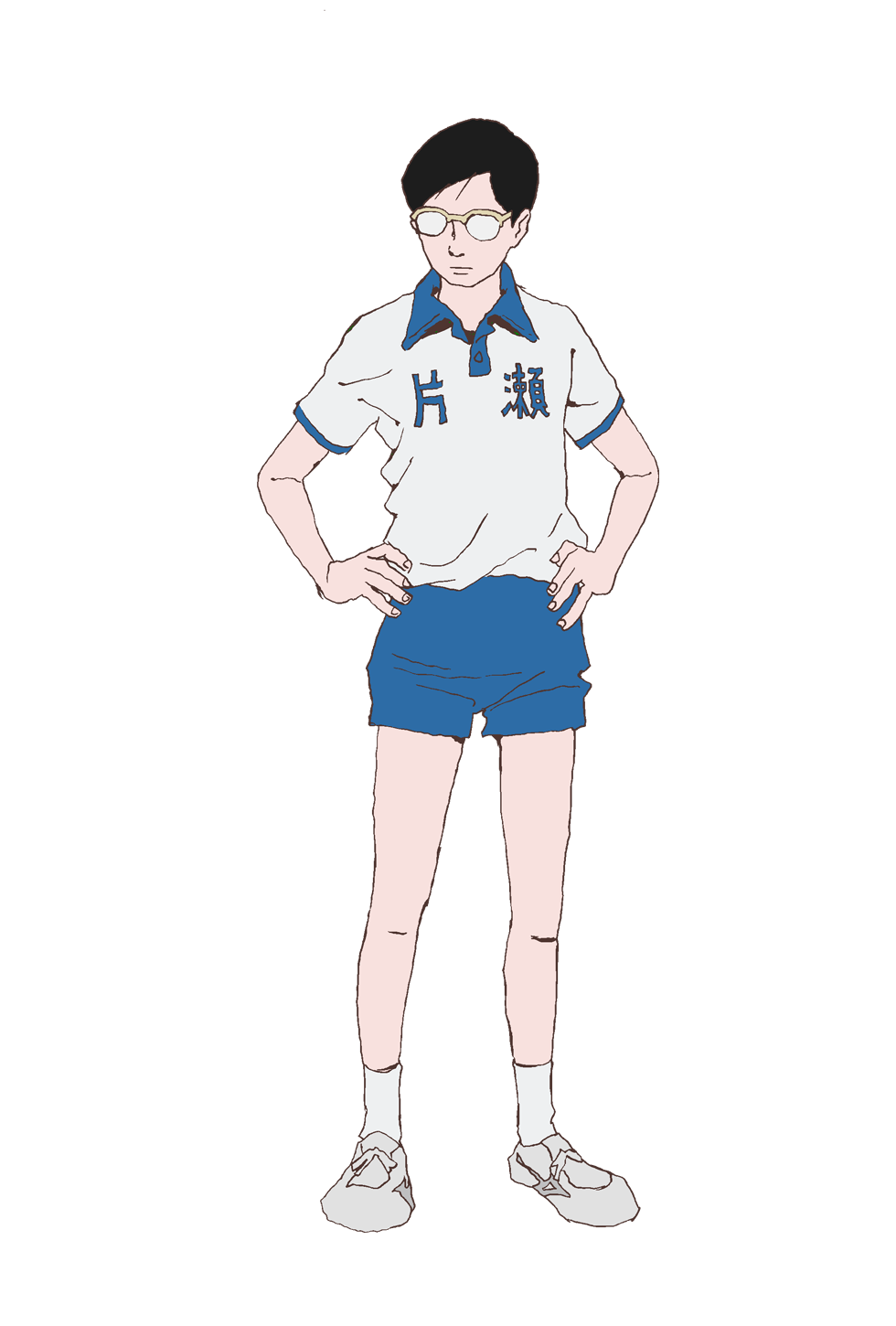
Coverage: Early demeanor, friendship with Peco, and approach to competition; no late character resolution.
Silence is a boundary
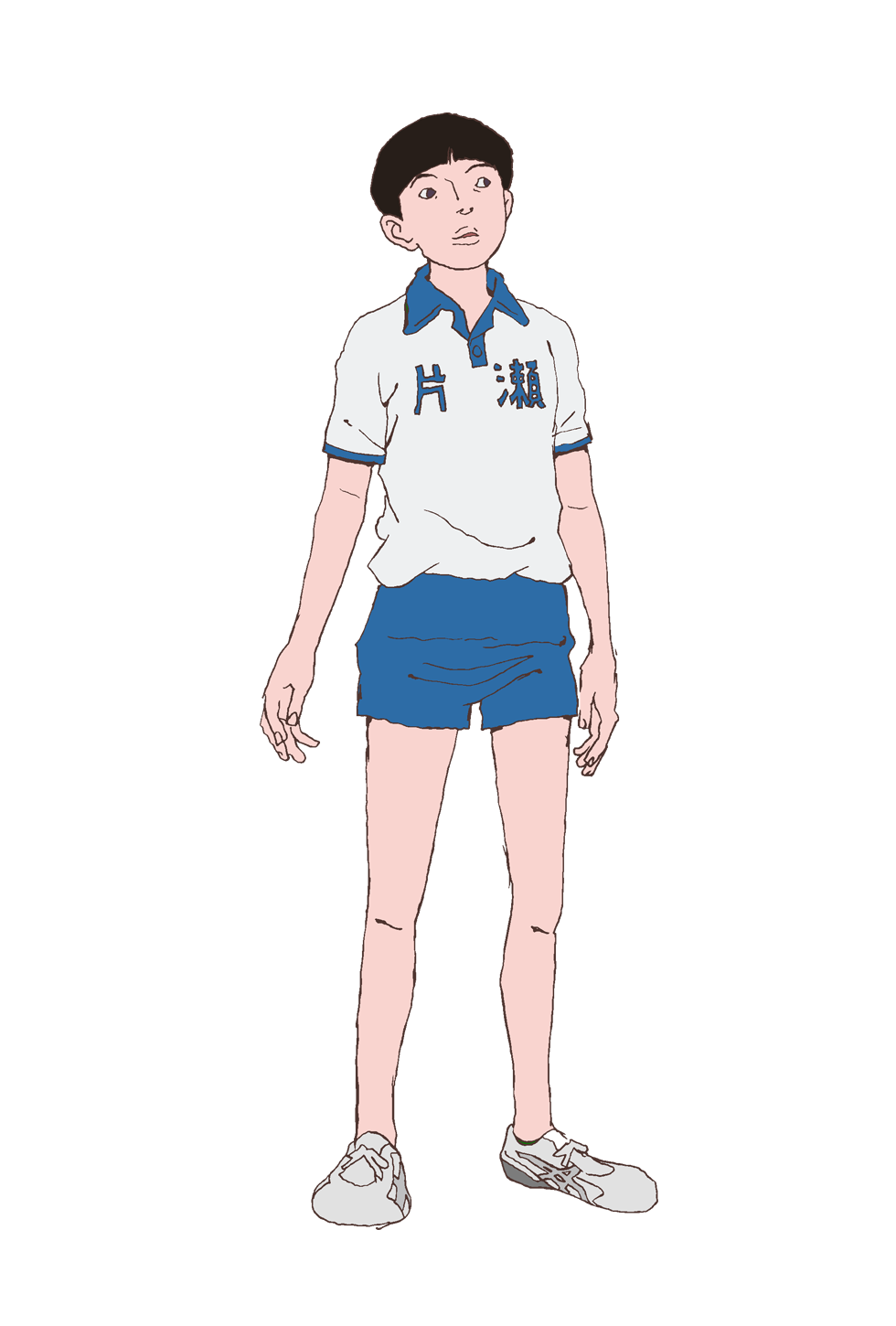
Smile’s name encourages other people to read him as a simple type: the quiet boy who does not care enough to show emotion. Ping Pong the Animation gives that reading room to form, then makes it feel incomplete. Smile is reserved in conversation, often answering attention with little more than a flat response, but his stillness does not mean he fails to notice what happens around him. At the table, he reads the ball and his opponent with a sharpness that unsettles the easy assumption that he lacks interest. His restraint is a way of controlling how much of himself other people can claim to see.
This matters because sport makes private feeling public. A point has a visible result; a player’s body reacts before a careful sentence can be composed. Smile’s measured play lets him participate while limiting the emotional exposure that competition demands. He can return the ball, assess the exchange, and avoid turning every rally into a declaration of desire. Winning would make him legible in a way he seems reluctant to be: it would suggest that he wanted the result enough to pursue it. His quietness protects him from that implication, even as his skill makes the protection increasingly difficult to maintain.
Peco gives the game a personal history
Peco’s relationship with Smile complicates any view of the latter as simply withdrawn. Peco is not an abstract rival who arrives to challenge Smile’s attitude; he is a friend whose noisy enthusiasm is part of their shared world. Peco’s invitation to play helps make table tennis social for Smile, a place where they can meet through movement rather than through a demand for confession. Their contrast is affectionate as well as competitive. Peco performs his confidence, while Smile withholds his; each knows the other through habits that a stranger might mistake for the whole person.
That friendship makes Smile’s reluctance to defeat Peco emotionally charged. If he wins, the result cannot be kept entirely within the boundaries of technique. It may affect a bond built around playing together, and it may force Smile to admit that his own ability has consequences for someone he cares about. The series does not need to make Smile cruel or Peco fragile for this tension to matter. It is enough that the court gives their friendship a measurable form. A rally can be shared, but a match also sorts its players into winner and loser. Smile’s restraint sits inside that uncomfortable change.
Competition requires a desire he disowns
The anime’s early portrait of Smile turns on a distinction between capacity and appetite. He can play with precision, but his manner suggests he would rather not be asked what he wants from that precision. The distinction is familiar in the language around gifted students or athletes: a person is praised for potential, then expected to demonstrate ambition on command. Smile’s reserved demeanor resists that script. If he does not openly hunger for victory, other people cannot easily turn his talent into an obligation. His indifference, or apparent indifference, keeps the choice in his hands.
Yet the table exposes how limited that defense can be. A player’s decisions are made in the moment, under pressure, through a body that has to move toward or away from the ball. Smile’s ability makes passivity less convincing because he is already making sophisticated choices. Restraint is not the absence of engagement; it is a style of engagement that avoids naming its stakes. The discomfort of winning comes from that mismatch. A result may announce a desire that Smile has carefully declined to voice, leaving him to face the difference between what he can do and what he is willing to say he wants.
Winning would alter the relationship
This is why Smile’s connection to competition cannot be reduced to whether he enjoys it. The relevant question is what victory would do to his sense of himself and his connection with Peco. Winning might confirm the skill others see in him, but it could also convert a shared pastime into a hierarchy. Smile’s restraint keeps those meanings suspended. His controlled surface is not a verdict on the sport; it is a way to delay the moment when play must become an answer about ambition, loyalty, and self-definition.
The early anime makes that delay compelling because it refuses to mistake quietness for emptiness. Smile’s feelings do not arrive as speeches. They gather in the contrast between his modest outward responses and the care visible in his play, and in the presence of a friend who gives the game personal stakes. His reserve makes victory uncomfortable precisely because it leaves him no easy language for wanting it. The result on the scoreboard may be clear, but what it means for Smile and Peco remains bound to the harder question of whether he can accept that competition is already part of their relationship.
Primary work & further reading
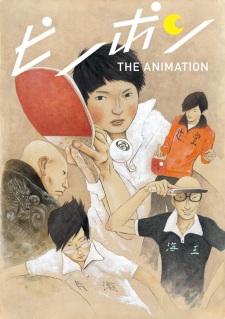
Primary work: Ping Pong the Animation. Character and story readings are editorial interpretations. The publisher reference below identifies the work and its premise.