Peco's talent becomes a problem when it becomes an identity
Peco’s easy confidence makes table tennis look like a game already arranged in his favor. The early episodes complicate that charm by showing how talent can become an excuse to avoid the work that would make it durable.
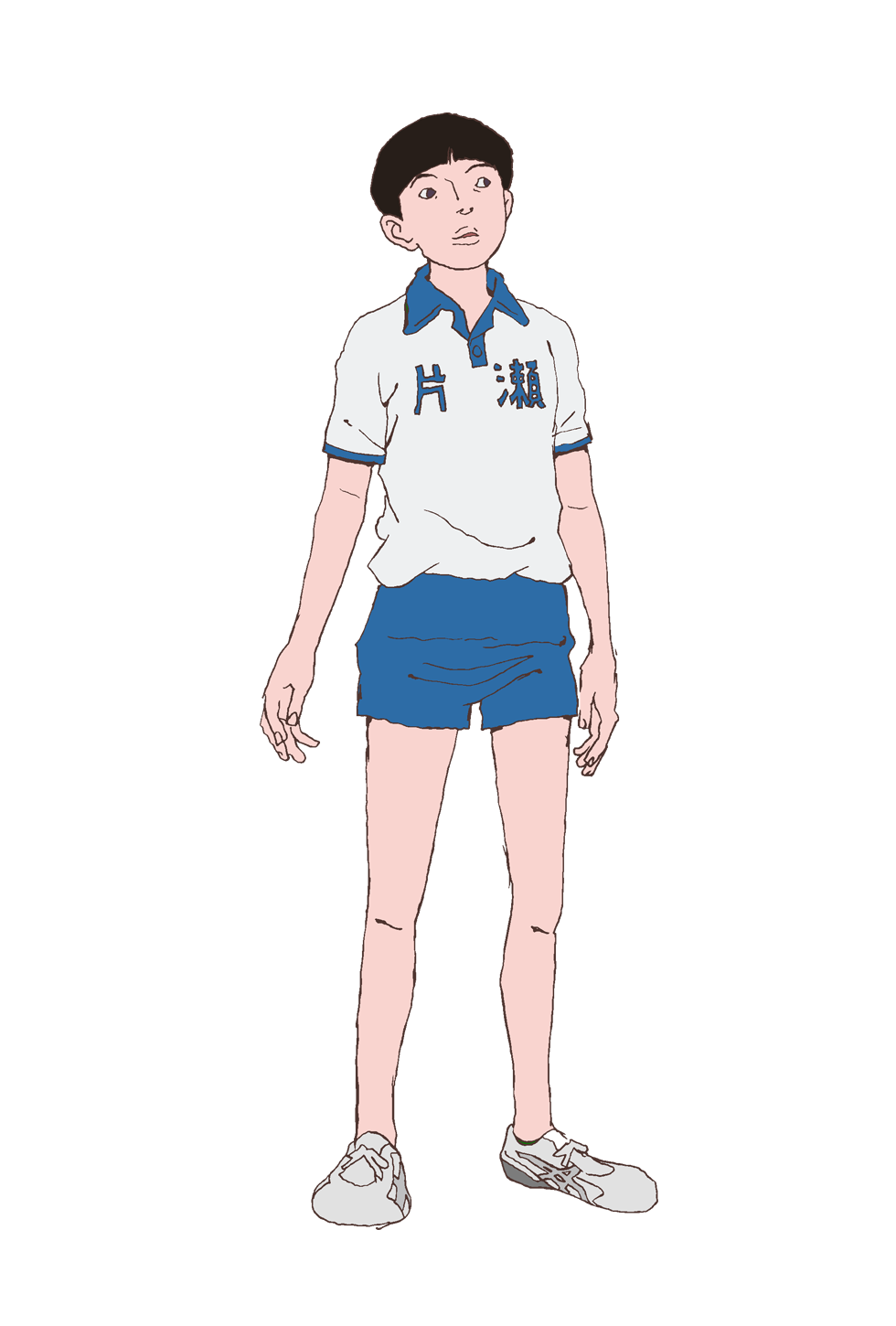
Coverage: Early characterization and training scenes; no tournament-ending events.
Confidence turns the court into a stage
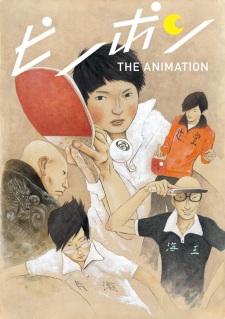
Peco enters Ping Pong the Animation as if the table were an extension of his personality. He moves with a showman’s ease, boasts about his ability, and treats the sport as something he can pick up whenever he likes. His confidence is infectious because it carries the feeling of play: the ball is not a burden or a test, but an invitation to display what he can do. The series lets that charisma register before it asks what supports it. Peco is not presented as a fraud. He has genuine ability, and his relaxed manner makes skill seem natural.
That naturalness, though, is also a performance. Peco talks as if winning were his birthright, which lets him define every contest in advance: success confirms what he already believes, while failure can be dismissed as a bad day or a lack of interest. His swagger gives him a way to avoid being measured seriously. The problem is not that he enjoys praise; it is that he has made praise the evidence of who he is. Once talent becomes identity, effort threatens to reveal that ability has limits and requires care.
Effort asks him to risk a different self
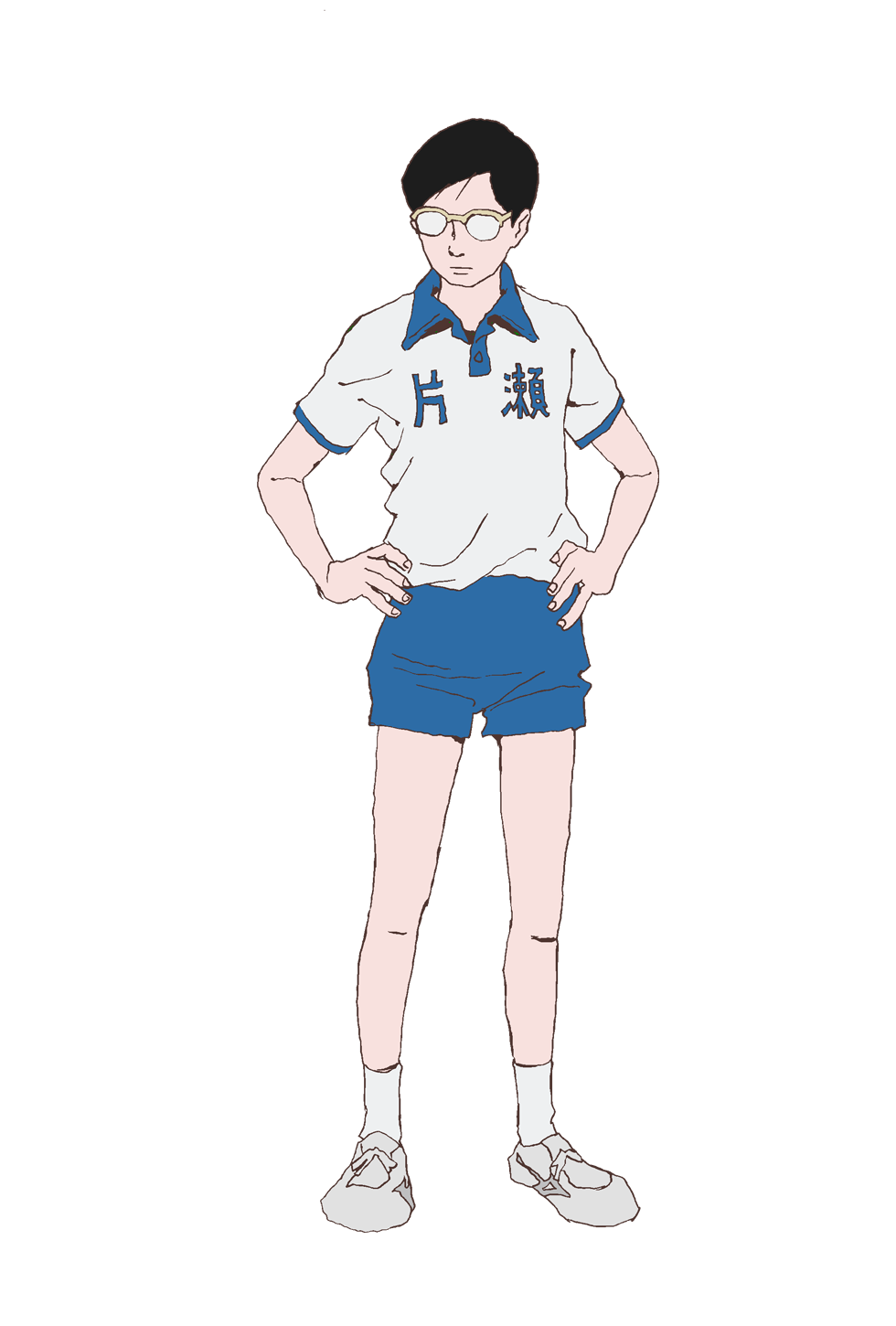
The early contrast with Smile makes Peco’s habits easier to see. Smile’s careful, economical play suggests that improvement can come from attention and repetition, while Peco trusts an instinctive gift. Their friendship is not simply a rivalry between a natural player and a hard worker. Peco brings Smile into the game and gives him a companion on the court; Smile’s presence, in turn, makes it harder for Peco to mistake ease for the whole meaning of playing. Their shared history gives Peco’s boasting an affectionate dimension, but it also means his choices affect someone who takes the game seriously in a different way.
When Peco’s performance falters, the gap between the identity he claims and the work he has done becomes visible. The anime treats practice as a change in posture: the body that once seemed to know what to do must submit to repetition, correction, and fatigue. That is emotionally uncomfortable because it deprives Peco of the freedom to act as though he could leave whenever the sport stops flattering him. Effort does not erase his talent; it asks him to accept that talent alone cannot preserve the feeling of being exceptional. The court becomes a place where he must choose what kind of player he wants to be.
The showmanship still matters
It would be too simple to treat Peco’s flash as a flaw that serious training should cure. His theatricality is part of what makes the game feel alive to him. He can turn a rally into a moment of shared excitement, and his willingness to perform helps explain why he once drew Smile toward the table. The series values that playfulness even as it tests its limits. Peco’s growth depends on taking practice seriously without pretending that discipline must make him solemn or erase the pleasure that first made the sport attractive.
This distinction gives his confidence a more interesting future than mere humility. Peco does not need to stop believing he can do something remarkable; he needs to stop using that belief as proof that he need not prepare. The early episodes place his charm and his avoidance close together, so the viewer can feel how one sustains the other. His talent becomes a problem when it offers a ready-made answer to every question about effort. Once he allows the question to remain open, confidence can become a reason to work rather than a shield against work.
A gift becomes a choice
Peco’s central tension is therefore not whether he deserves to be called talented. The anime makes his ability plain. The tension lies in whether he will treat it as a possession that guarantees admiration or as a capacity that asks something of him. The first version keeps him safely above disappointment: if he does not try, nobody can discover the full measure of what he might have become. The second makes him vulnerable, because training means accepting that progress is earned unevenly and that the court will not bend to his self-image.
That vulnerability does not cancel the boy who jokes and shows off. It gives those qualities a firmer ground. Peco’s confidence becomes meaningful when it survives the ordinary labor that his earlier posture tries to skip. In the early stretch of Ping Pong the Animation, his gift is both a source of joy and a convenient hiding place. The series’ argument is that ability cannot answer for a person. Peco has to decide whether the game is only a stage on which he looks gifted, or a practice he is willing to inhabit when no easy applause is promised.
Primary work & further reading
Primary work: Ping Pong the Animation. Character and story readings are editorial interpretations. The publisher reference below identifies the work and its premise.