Ping Pong's distorted drawings make motion easier to feel
Ping Pong the Animation makes the court bend around the speed and pressure of a rally. Its shifting proportions and forceful timing turn visual distortion into a way of feeling how different players inhabit the same game.
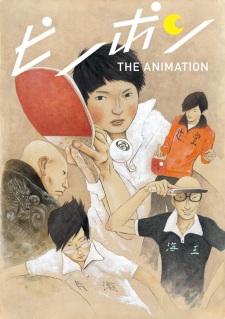
Coverage: Visual style and match presentation across the anime; no plot outcome spoilers.
A court measured by feeling
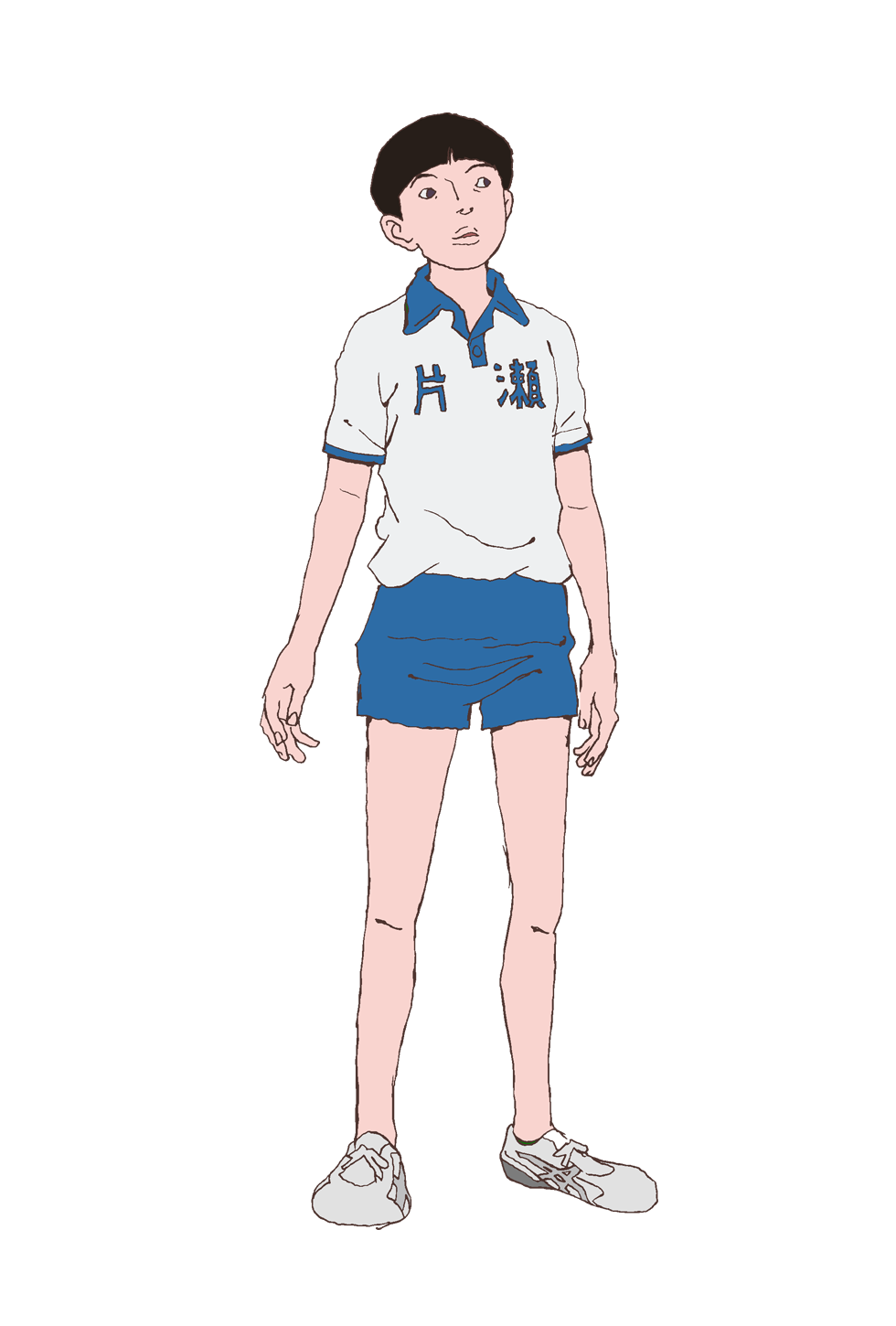
Ping Pong the Animation rarely treats the table as a neutral rectangle that every viewer sees in the same way. The court can feel compressed, stretched, or strangely steep as a rally gathers force. Bodies shift in proportion; faces and limbs may carry more expressive weight than realistic anatomy would allow. The result is not confusion about where the players stand. Rather, the image gives physical form to the way a point feels to the people playing it. A table is a fixed object, but the experience of facing an opponent is not fixed at all.
This use of distortion makes space subjective without making it vague. A character who seems to loom over the table can make an opponent’s side feel smaller, while a sudden change in angle can make the distance across the net seem newly difficult to cross. The anime invites the viewer to register pressure before measuring it. In a sport built from brief exchanges, that emphasis matters: the scene cannot rely on long stretches of travel to explain momentum. A shifted frame or exaggerated pose can communicate that the balance has changed in the instant before the next return.
Timing gives the ball its force
A ping-pong ball is small and fast, which creates a problem for any visual account of play. If the screen simply reproduced its scale and path, the object could become hard to follow and the rally might feel weightless. The anime answers through timing and emphasis. It uses the rhythm of anticipation, contact, and response to make the ball’s movement felt even when the eye is not invited to trace every realistic detail. Pauses give a return room to land; quick transitions make the next choice seem almost immediate. The point acquires a pulse.
That rhythm also makes different players’ styles legible. A player who waits and reads can make an exchange feel suspended, while a more forceful approach can seem to collapse the time available to react. The animation’s visual freedom lets the moment take on those differences. The court does not have to obey a single, unchanging visual scale because the rally is not experienced as identical by both sides. One player may have time to choose; the other may feel chased by the ball. Timing becomes a way to show not just movement, but unequal access to thought within the same exchange.
Exaggeration clarifies character
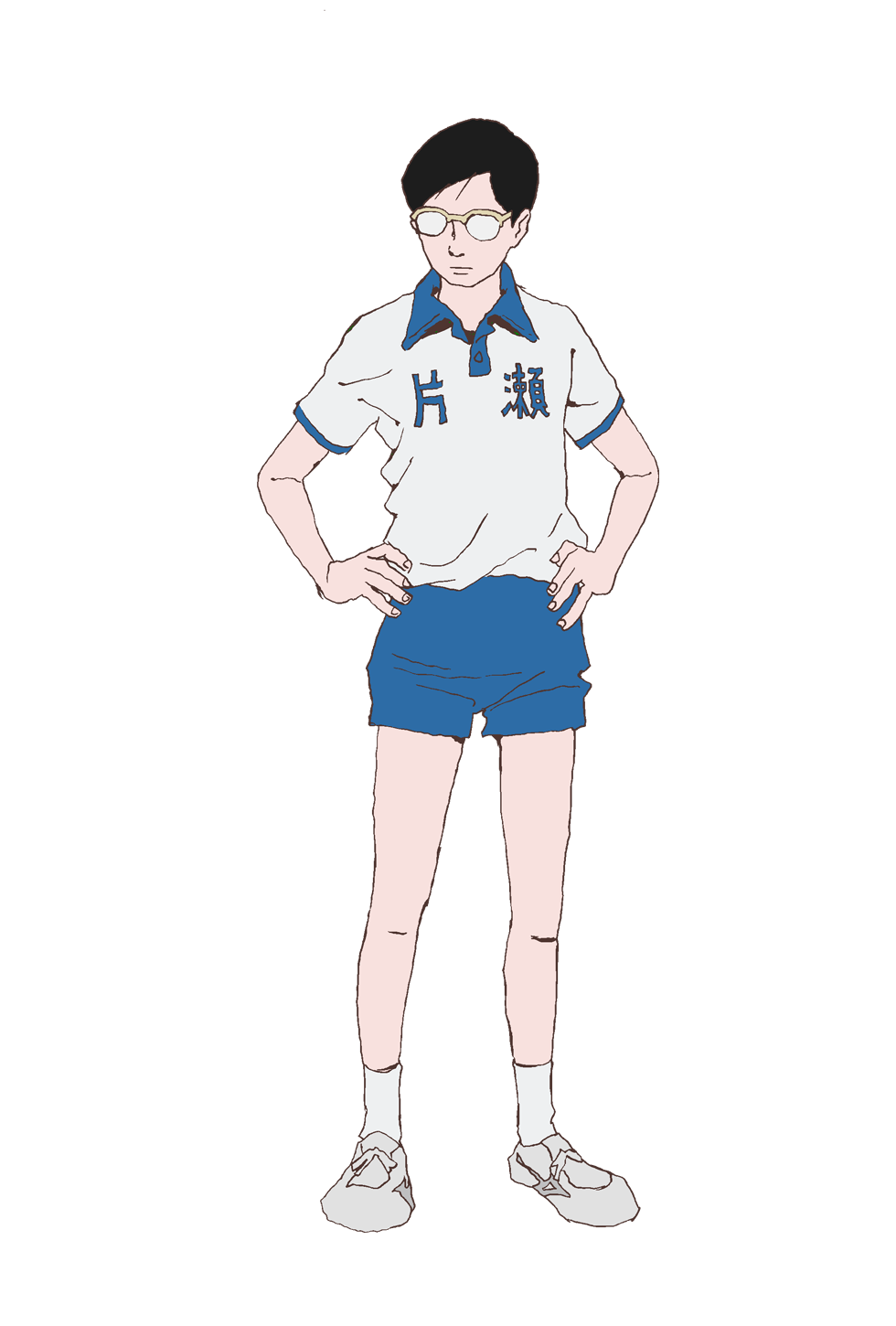
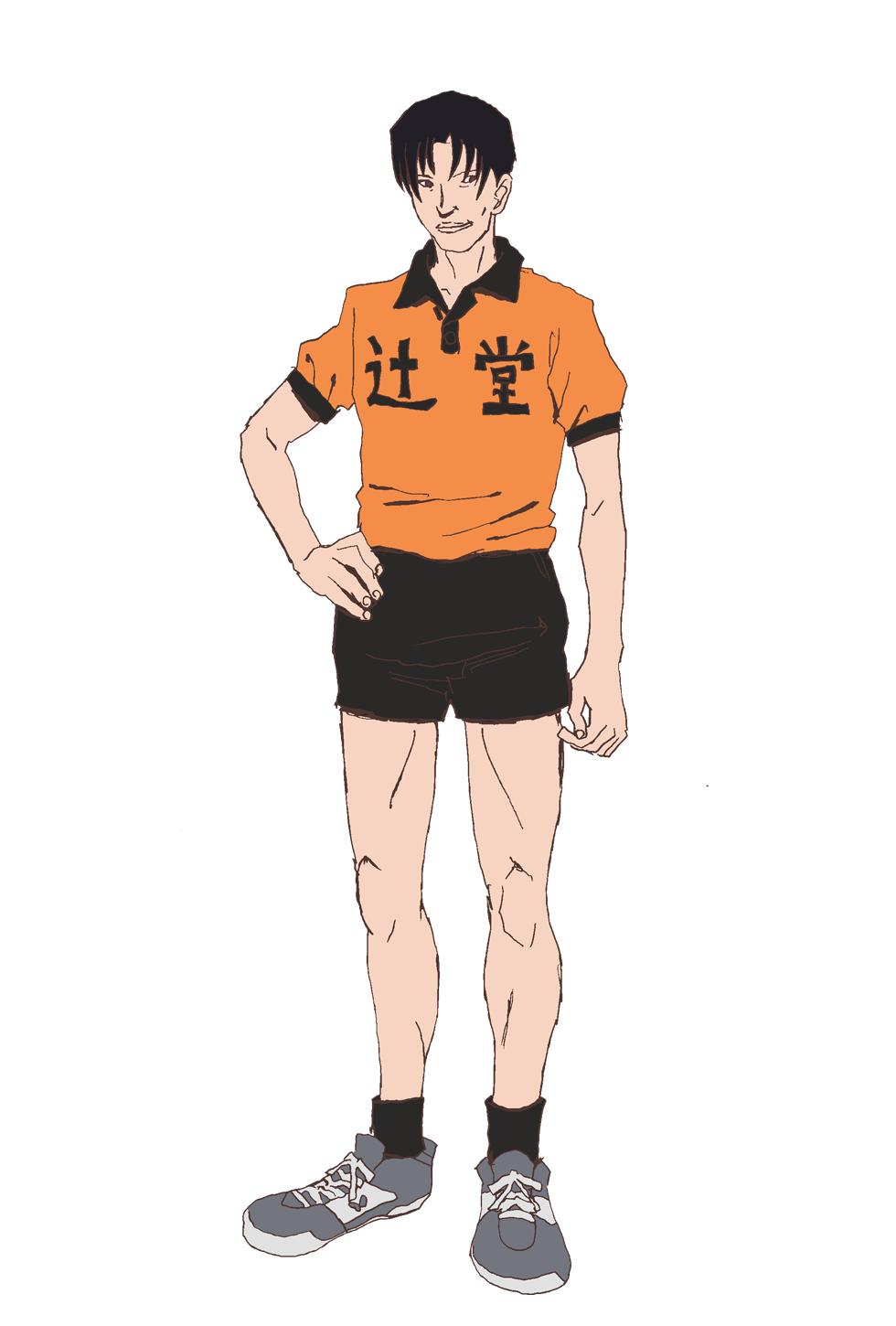
The distorted drawings are not decoration laid over a sports story. They help explain how each character approaches the game. Peco’s theatrical confidence can make play feel expansive, as if the court were a stage built for his movement. Smile’s restraint often reads through controlled gestures and a less showy relation to the space around him. Such contrasts do not require the characters to announce their temperaments. Their posture, the framing around them, and the way a rally seems to stretch or contract all contribute to the impression of who is at home in the moment.
This also keeps visual exaggeration from becoming a uniform effect. If every player and every point were heightened in exactly the same way, the style would lose its power to distinguish one kind of pressure from another. Instead, changes in scale and emphasis give form to changes in confidence, attention, and momentum. An oversized gesture can be funny, startling, or imposing depending on who makes it and when. The drawings allow a sports exchange to register as a personal encounter without turning every match into the same grand spectacle.
Distorted scale brings viewers closer
There is an apparent paradox in this approach: less realistic drawings can make the physical experience of play easier to understand. Realism might promise a faithful court and accurate bodies, but accuracy alone cannot tell a viewer what a split-second decision feels like. The anime’s distortions narrow the distance between seeing a player and sensing the problem that player faces. A ball that seems to arrive too quickly, a body that fills the frame, or a court that feels newly exposed expresses pressure in a language of shape and duration.
That language is why the series’ visual style belongs to its account of competition. The game is not only a sequence of legal contacts; it is a shifting experience of room, speed, and attention. By altering proportions and timing, Ping Pong the Animation makes those changes readable. Its drawings do not ask the viewer to mistake subjective scale for literal measurement. They show how a stable table can become a different place to each person who stands at it. Distortion, used this way, is not an escape from the sport’s physical reality. It is a route toward feeling it.
Primary work & further reading
Primary work: Ping Pong the Animation. Character and story readings are editorial interpretations. The publisher reference below identifies the work and its premise.