Focus or Vengeful Spirit? Spending Soul in Hollow Knight
Soul comes principally from Nail hits and pays for both Focus and spells such as Vengeful Spirit. Because healing holds the Knight still and can be interrupted by a hit, deciding to Focus means giving up the same Soul you could have spent on a cast.
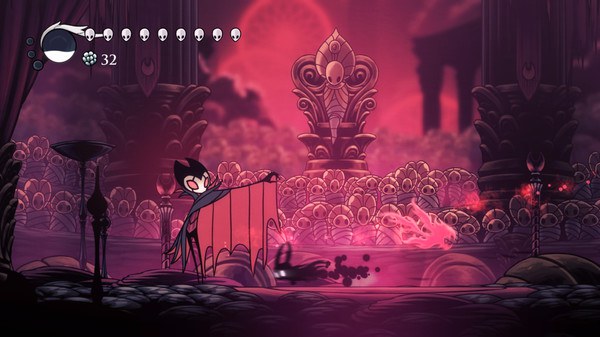
Coverage: Explains Soul, Focus, Nail hits, and Vengeful Spirit once acquired; no major story revelations.
Nail hits build a shared resource
Soul is gained principally by hitting enemies with the Nail. That makes an attack useful beyond the immediate exchange: it can build the resource needed for a later heal or spell. The resource is shared, though. When the Knight has Soul available, spending it on Focus leaves less for a cast, and using a spell leaves less for Focus. You have to choose which action matters more in the current opening.
Once acquired, Vengeful Spirit gives Soul a clear offensive use. If an enemy is across a gap or you want to attack from a distance, casting may be worth more than keeping Soul for recovery. If the Knight is low on health and there is room to pause, Focus may be the better spend. Soul does not serve as two separate pools for offense and healing: the same resource cannot fund both choices at once.
Focus commits the Knight to a pause
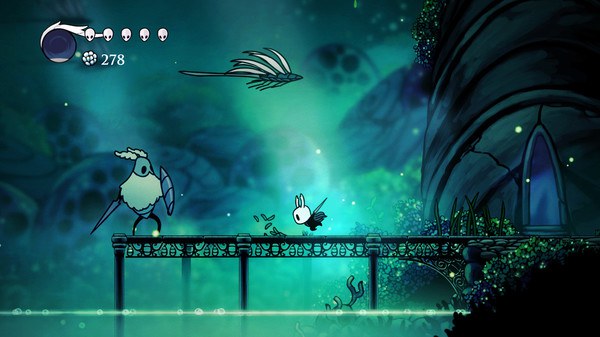
Focus takes time, and the Knight stays stationary while healing. A hit can interrupt the attempt, so having enough Soul does not by itself make a heal safe. Before starting, look at the enemy’s position and recent movement, and ask whether there is enough distance or a lull to finish the pause. If danger is already close, moving out of its path can be more useful than immediately trying to recover health.
That stationary commitment makes the shape of the arena matter. An open stretch may give you room to wait; a narrow corridor can leave little margin if an enemy advances. Avoid treating Focus as a freely cancelable way to test an opening: starting it means accepting the risk of staying still, and an interruption can cost the opportunity without restoring health. Save the decision for a moment when the enemy’s actions and your position give you a real chance to complete it.
Choose between Focus and Vengeful Spirit
Suppose an enemy has committed to a forward attack and is moving away from the Knight, leaving a brief patch of open ground. If the Knight already has enough Soul and needs health, one option is to use that distance to Focus. The tradeoff is clear: the Knight remains still during the heal, and if the enemy reaches the Knight or another threat arrives, a hit can interrupt it. The opening makes recovery possible, but does not make it risk free.
The competing choice is to cast Vengeful Spirit, if it has been acquired. That spends Soul on an attack instead of health recovery, so it can take advantage of the enemy’s commitment while leaving the Knight without that resource for Focus. If survival is urgent and the enemy has moved far enough away, Focus may be the priority. If the Knight can withstand the next exchange and the spell is useful against the enemy’s position, casting may be worth keeping the pressure up. The opening does not pay for both actions.
Build Soul before you need to spend it
Because Nail hits are the principal way to gain Soul, the resource loop begins with engaging enemies. A hit can build toward a later Focus or spell, but chasing another strike is not automatically safe; consider the enemy’s next move before stepping in. Keep track of whether you are saving Soul for recovery or spending it on Vengeful Spirit, so you do not reach a dangerous moment expecting a cast and a heal from the same supply.
When a chance to act appears, weigh three things together: the Knight’s health, the space between the Knight and the enemy, and the intended use for Soul. A risky position can make Focus a poor choice even when health is low. A safe pause can make healing more valuable than another spell. Soul gives you options through combat, while Focus makes one of those options depend on space and timing.
Primary work & further reading
Primary work: Hollow Knight. Character and story readings are editorial interpretations. The publisher reference below identifies the work and its premise.