Reference library
Stats, equipment, materials, adaptation records, and other factual companion pages. Looking for something to read? Browse the articles.
MATCHING FEATURES
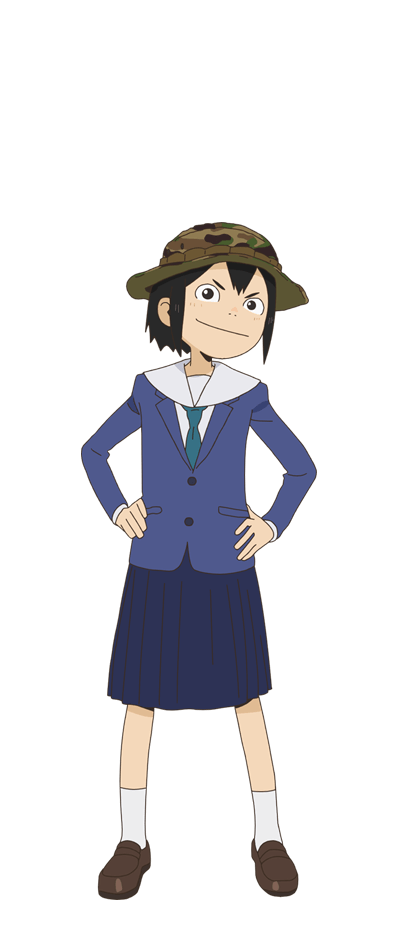
Keep Your Hands Off Eizouken!A wall, a landscape, a passing train: for Midori Asakusa, each can become a machine with rules worth discovering. Her notebooks show how imagination begins in close attention to the ordinary.
Character analysis · 3 min 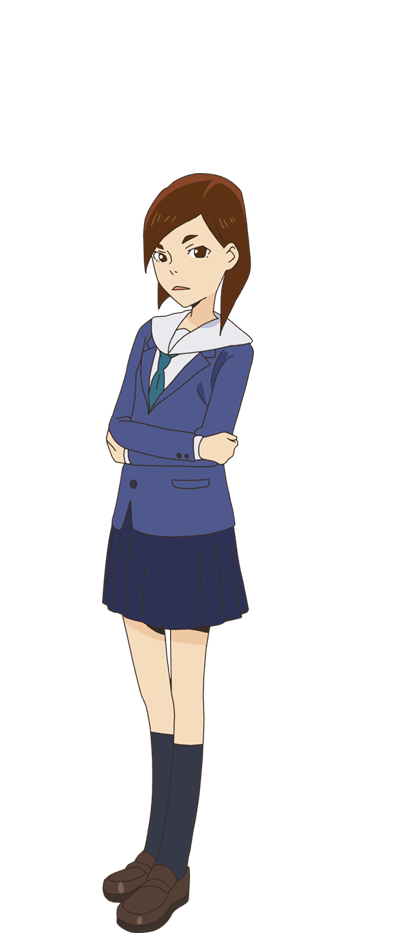
Keep Your Hands Off Eizouken!Tsubame Mizusaki’s ambition to animate grows from a close interest in how people move. In the series’ early episodes, ordinary gestures become a way to think about character before a drawing is complete.
Character analysis · 3 min 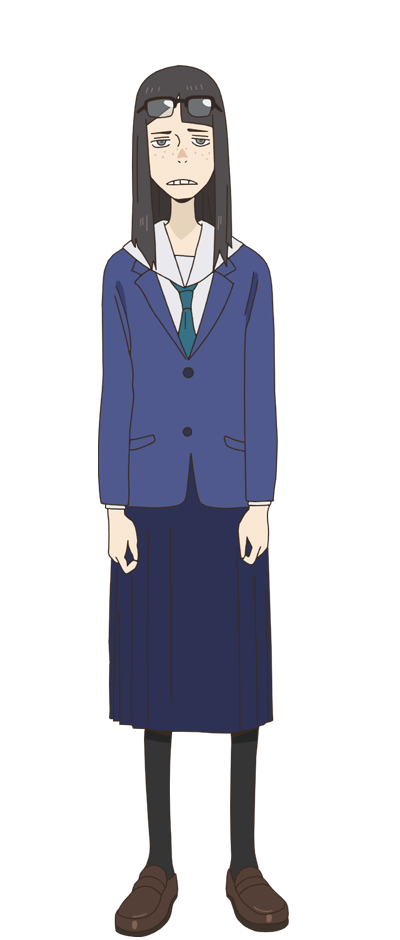
Keep Your Hands Off Eizouken!Sayaka Kanamori’s practical questions give the club’s creative energy a path toward making something. Her early role shows how money, time, and negotiation can protect an idea by giving it workable limits.
Character analysis · 4 min 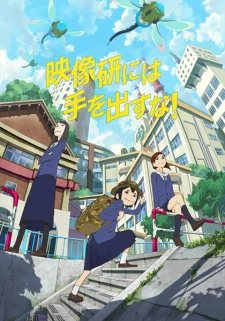
Keep Your Hands Off Eizouken!When Eizouken shifts from ordinary spaces into sketches and imagined worlds, the change in form makes invention visible as it happens. Rough drawings invite the viewer to share the club’s process of possibility.
Visual analysis · 3 min 0 entries matching “Keep Your Hands Off Eizouken!”
Page 1 / 1
No reference records match; see the features above
Try a shorter name, another spelling, or clear the filters.
Browse all references →