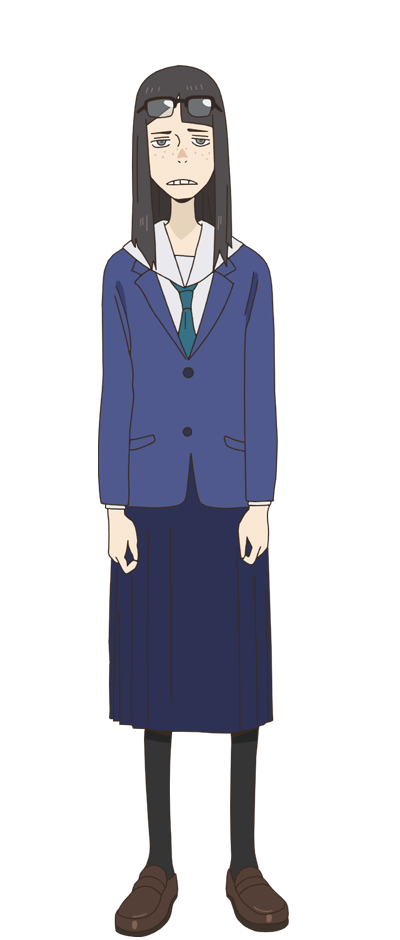
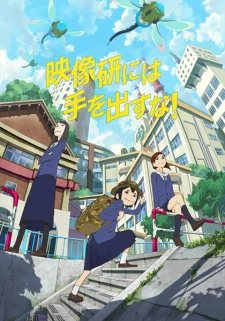
Mizusaki wants movement to carry personality
Tsubame Mizusaki’s ambition to animate grows from a close interest in how people move. In the series’ early episodes, ordinary gestures become a way to think about character before a drawing is complete.
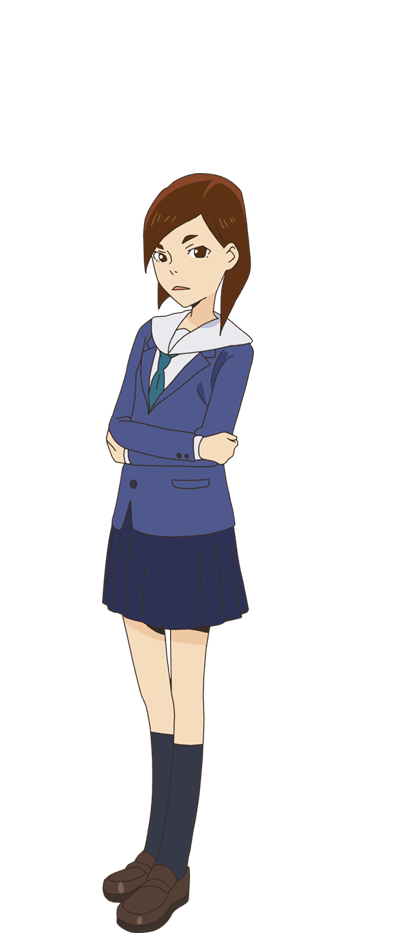
Coverage: Covers Mizusaki’s animator aspiration and observations in the opening episodes only.
A gesture can say what a pose cannot
Tsubame Mizusaki’s interest in animation is tied to a simple but demanding possibility: movement can reveal something about the person moving. A still pose may show where a character has arrived, but a gesture can suggest how they got there. A step, a turn, or the timing of a reaction carries information that a neat outline alone cannot. Mizusaki’s aspiration is therefore not only to draw figures. She wants to understand what makes a figure feel alive from one moment to the next.
That focus helps explain why she pays attention to everyday motion. Familiar actions are easy to overlook because their purpose seems obvious. Yet the body performs them with small variations in pace, balance, and emphasis. To observe a person walking is to notice choices that a simplified image might erase: how weight shifts, how a movement begins, and whether it finishes cleanly or trails into the next action. Mizusaki treats those details as material for animation, not incidental noise.
Observation turns daily life into study
Mizusaki’s looking is active. She does not merely collect visual impressions; she tries to understand what makes a movement recognizable and expressive. Ordinary motion becomes a source of questions. What is the difference between a person who hurries and one who walks with purpose? How does a body show hesitation before a decision is visible on the face? Such questions make animation less like copying a reference and more like interpreting what the body communicates.
The series gives this observational habit an accessible scale. Mizusaki’s ambition is grounded in movements a viewer can recognize, rather than in a claim that the craft depends on mysterious technical knowledge. That choice makes her enthusiasm legible: she sees possibilities in the small actions most people perform without thinking about them. Looking closely is not a detour from her creative goal. It is how she begins to understand the expressive choices available to a drawing.
The animator’s craft is a character’s desire
It matters that this interest belongs to Mizusaki as a character. Her attention to motion tells us what she values: not merely an attractive image, but the impression of a person continuing to exist beyond a single frame. She is drawn toward the challenge of making a body feel particular. A character’s movement should not be interchangeable with anyone else’s, because the rhythms of an action can suggest temperament and intention.
This is also why her aspiration feels personal without needing to stand for every animator’s experience. The series gives her a specific way of approaching the craft: watch people, notice how they move, and carry those observations into drawing. That approach belongs to Mizusaki’s enthusiasm and point of view. It should not be confused with a report about how the show itself was made or with a universal account of professional practice. Her character is revealed through the kind of detail she cannot help noticing.
Movement keeps a drawing open
A drawing of a person is not simply a finished surface when Mizusaki thinks about it. It contains the possibility of what came before and what may follow. A shift in weight can make a figure seem ready to act; a pause can give a gesture room to register. Animation gives her a way to make those in-between moments matter. The ambition reaches beyond technical motion toward a fuller sense of presence: a character should seem to have an inner rhythm, even when no explanation is offered.
Mizusaki’s early story makes observation feel like the beginning of authorship. She studies ordinary movement because she wants to make drawn movement carry personality. That desire gives her craft a human focus. Instead of treating animation as a display of activity, the series presents it as a way to ask who a character is through what their body does. Mizusaki wants the drawing to move, but more than that, she wants the movement to mean something.
Primary work & further reading
Primary work: Keep Your Hands Off Eizouken!. Character and story readings are editorial interpretations. The publisher reference below identifies the work and its premise.