Xenoblade Chronicles 3: make a combo plan you can actually execute
A practical guide to learning Xenoblade Chronicles 3’s Arts and combos by rehearsing one reliable sequence before layering in more systems.
Coverage: Spoiler-light; discusses gameplay systems without story outcomes.
Start with the effect you want
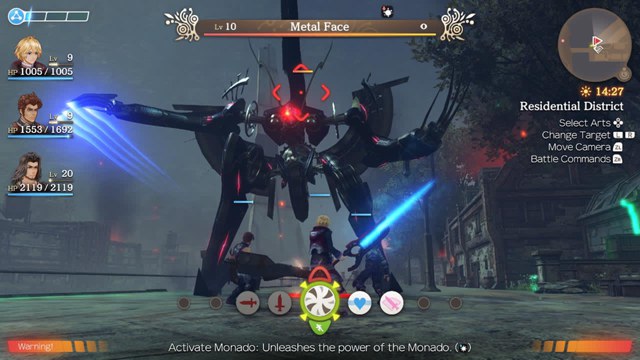
Xenoblade Chronicles 3 layers automatic attacks, Arts, positioning, roles, class changes, combos, and Chain Attacks. Nintendo describes combo Arts as a way to inflict status effects that leave enemies vulnerable, while its combat overview explains the party roles and the ability to control different members. This breadth can make battle feel like several tutorials arriving at once. [1]
Reduce the system to one question for a single encounter: what effect am I trying to set up? Choose a combo route you can recognize in the Arts available to your active party, then watch the enemy’s status and the party’s positions. A route is useful because it gives your attention a target; it is not a rigid script that must be completed regardless of what the battle does.
Practice the handoff before adding speed
The official game page explains that roles shape what party members do: Attackers focus on damage, Defenders draw attention, and Healers support the team. That gives the combo sequence a context. A status effect is only useful if the party can capitalize on the opening and remain in a position to continue. [1]
Try this in a low-pressure fight: identify the first Art that begins the sequence, identify the next effect you need, and leave enough attention to notice whether allies are responding. Do not repeatedly stare at the ability palette. The battlefield still matters. If an ally needs help or the target changes, the sequence can wait; adapting is part of the practice rather than a failed attempt.
Use Training Drills as a repeatable workspace
Nintendo’s developer interview says Training Drills let players revisit Arts and features through step-by-step tasks, including after they have forgotten how a mechanic works. The developers explain that they wanted players to learn by trying the systems, not only by reading instructions. That makes the drills useful as a place to isolate one unfamiliar action before combining it with the rest of combat. [2]
A practical session can be brief: choose one drill related to the mechanic that feels least clear, complete it, and return to a regular fight with one specific observation to check. For instance, notice whether changing control to another party member makes it easier to see an opening. This is a learning method, not a promise of improved performance; the point is to replace vague overwhelm with a question you can answer.
Add systems one at a time
Once the base sequence feels legible, add one layer: positioning, a class change, a Fusion Art, or a Chain Attack. Nintendo presents these as ways to broaden the player’s options, while the developer interview acknowledges that the information volume is large and points players back to practice tools. That is a good reason to expand gradually rather than rebuild every character whenever a fight becomes difficult. [1] [2]
A worked example: if a combo attempt keeps breaking down because a party member is down or attention is pulled elsewhere, first address that interruption. A Healer’s support or a Defender’s ability to draw attention may create the breathing room for the sequence. If the chain still does not happen, return to the drill or check which Art starts the route. The aim is not to execute every mechanic at once; it is to make one useful interaction understandable, then grow from there.
Primary work & further reading
Primary work: Xenoblade Chronicles 3. Character and story readings are editorial interpretations. The publisher reference below identifies the work and its premise.