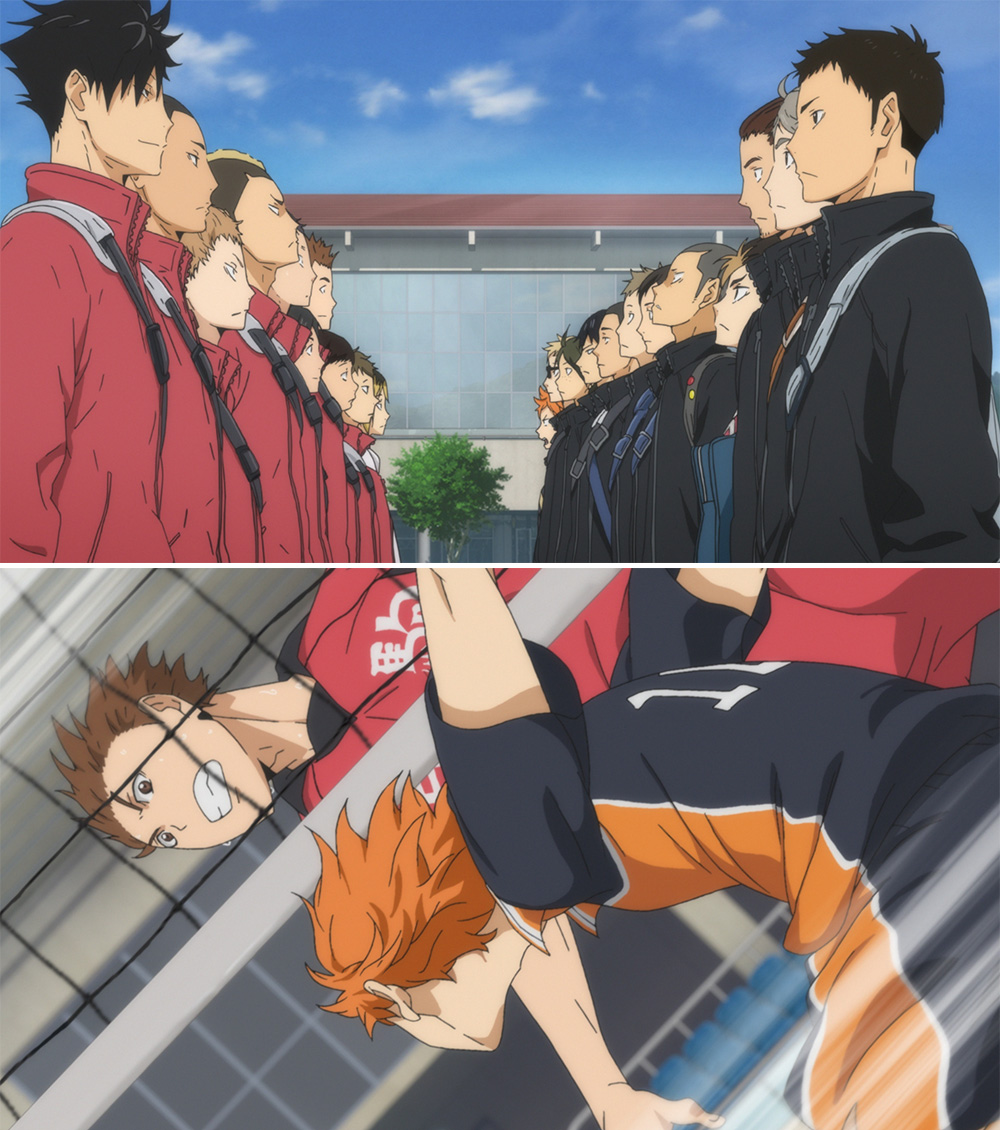
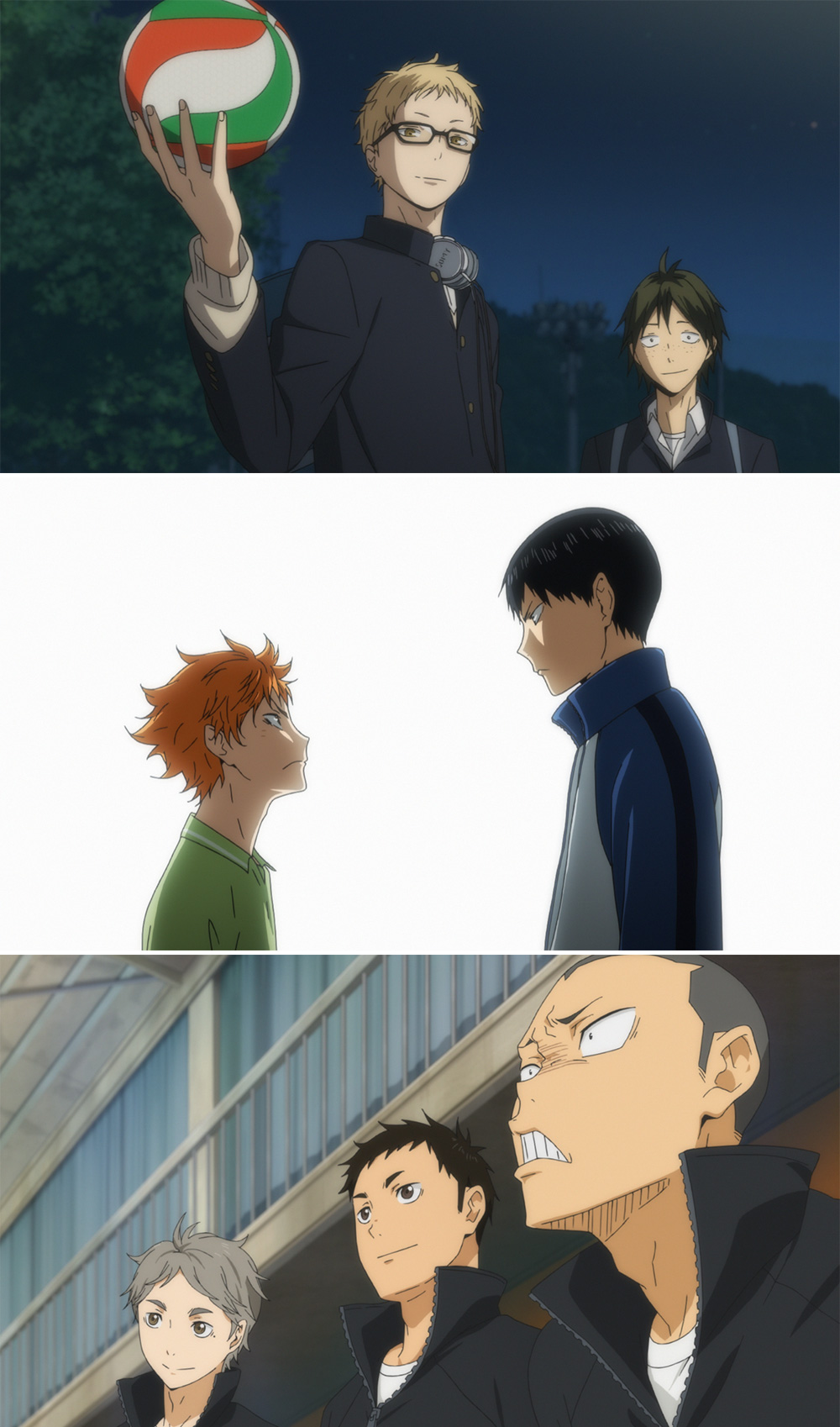
Haikyu!!’s Joyfull campaign turns school identity into a menu
Announced on November 17, Joyfull’s Haikyu!! campaign runs in two phases from December 1 through January 19. Its character- and school-themed food, limited bonuses, and social promotions translate the series’ team identities into a shared off-court activity, with availability rules that matter as much as the artwork.
Coverage: Spoiler-light: covers a restaurant collaboration and named menu items, with no match outcomes or story revelations.
A collaboration organized in two sets
The Haikyu!! portal announced the Joyfull family-restaurant campaign on November 17, 2026. It is scheduled to begin December 1 at 3 p.m. and run in two phases: the first through December 22, then the second through January 19, 2027. The official announcement describes limited collaboration dishes, an original visual used for badge bonuses, and social-media prize campaigns. This is a future campaign at the time of publication, so the schedule is an announced plan rather than a report of an event already completed. [1]
The two-phase calendar gives a long promotion an internal rhythm. A single launch date can turn a collaboration into a one-time visit; two periods create a reason to notice what changes at the handoff. The announcement does not say that every item changes between phases, so the safer reading is simply that the promotion has two scheduled blocks. The campaign site is the place to check current menu and store conditions before making plans. [2]
Food as a character-reading prompt
The portal names two featured meals: a Hinata Shoyo broad-attack hamburger and diced pork steak combo, and a Hoshiumi Korai pork-pepper-garlic rice. The naming takes a recognizable volleyball vocabulary and moves it into a restaurant order. A broad attack is a coordinated play, while the menu gives the phrase a physical, shareable form. Hoshiumi’s item is tied to the Little Giant epithet that identifies his place in the series’ sporting imagination. These are official menu names; interpreting them as a deliberate reading of each player’s style is analysis, not a claim from the restaurant. [1]
This kind of translation is especially suited to Haikyu!! because the story often makes identity visible through a school’s playing habits and a player’s role within a team. A themed plate can compress that vocabulary into a quick recognition cue. The better question is not whether a dish literally represents a player, but what feature the collaboration chooses to foreground: a named technique, a school, a nickname, or a color palette. That gives fans a small interpretive game before the meal even arrives.
The bonus is part of the participation design
The official announcement says a qualifying collaboration menu comes with a bonus item, with badge designs assigned at random and available only while supplies last. Separate social campaigns on X and Instagram offer larger goods through a drawing. Joyfull’s campaign page adds the operational detail that store participation, online ordering, takeout and delivery are not identical everywhere; it lists exceptions and explains that some bonuses have limited totals. The range makes the campaign more accessible in form, but it does not mean every store supports every route. [1] [2]
Randomized bonuses change the value proposition. The meal is predictable; the specific badge is not. For a fan who wants one design, that uncertainty can be a drawback, while someone who enjoys collecting or trading may experience it as part of the event. Naming that tradeoff is more useful than implying a random item is automatically a perk. The campaign page also cautions that visuals are illustrative and designs may change, so promotional images should not be treated as a guaranteed final specification.
A bridge between watching and gathering
Joyfull’s collaboration is not an episode, film, or game release. It offers an offline gathering point built around food, merchandise, and a social posting prompt. The portal asks participants to follow Joyfull’s account and post a collaboration-item image or video with the campaign hashtag for the social prize activity. That structure connects an individual visit to a wider fan feed: the experience can be shared without requiring viewers to reproduce a scene or know a particular match result. [1]
There is a clear fit between restaurant collaboration and a team series. Eating together is already a social activity, and the menu’s character references provide an easy conversation starter for groups with different favorite schools. The campaign’s limits matter here: participating outlets and bonus stock can differ, and a social drawing is not a purchaseable item. Those details separate an invitation to participate from a guarantee that every fan can obtain the same object.
How to follow it without guessing
For someone planning a visit, the practical checklist is simple: verify the campaign period, confirm that the chosen Joyfull location participates, check whether the specific menu or takeout route is available, and remember that badge selection is random. The official portal gives the two-phase dates and featured menu examples; the restaurant’s landing page carries fuller store and order conditions. Neither source establishes a universal stock level, so a late visit may encounter sold-out bonuses. [1] [2]
The collaboration’s strongest idea is that a team identity can travel outside the match without losing its vocabulary. A school or player becomes a name on a menu, a bonus to exchange, and a subject for a shared photo. That is a modest form of adaptation, but a coherent one: it lets fans carry the series into an ordinary meal. The two-phase structure then gives that ordinary setting a short calendar of its own, while the availability notes keep the invitation grounded in what the campaign can actually promise.
Primary work & further reading
Primary work: Haikyu!!. Character and story readings are editorial interpretations. The publisher reference below identifies the work and its premise.