Hades II runs work best as two plans at once
A spoiler-light practical framework for balancing Melinoë’s immediate route with the lasting upgrades and resources that make a future attempt different.
Coverage: Spoiler-light: discusses progression systems and combat planning without story outcomes.
Separate the run from the larger project
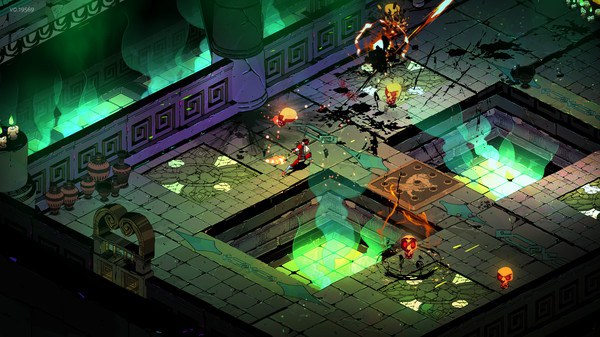
Hades II is built around repeated attempts: Supergiant describes a story that unfolds through setbacks and accomplishments, while its official Steam page points to weapons, Boons, the Altar of Ashes, familiars, reagents and Tools of the Unseen. The game therefore asks the player to think on two time scales. One is the immediate route through the current attempt; the other is what that attempt contributes to Melinoë’s longer project. [hadesiiFAQdaily] [2]
A practical plan starts by naming one goal for each scale. For the current run, you might want to learn how a weapon feels with a particular boon direction. For lasting progress, you might want to gather a resource or work toward a permanent improvement. These goals can support one another, but they do not have to. A run can be useful even when it does not reach its destination if it teaches you something or advances a persistent system.
Choose one experiment, not a perfect build
When choosing a weapon or early boon, make the first decision an experiment: what do you want this attempt to teach you? Perhaps you want to test a weapon’s reach, favor a style of attack, or see whether a boon changes how often you use a particular action. The point is not to predict the entire final build from the first room. It is to create a question that later choices can answer.
Then let subsequent finds respond to the run you actually have. If a boon improves an action you are already using, it may reinforce the experiment. If the available rewards suggest another direction, decide whether to pivot or continue learning from the original plan. Either can be sensible. The useful distinction is between a deliberate pivot and an accidental pile of individually appealing choices.
Let the route teach before it tests
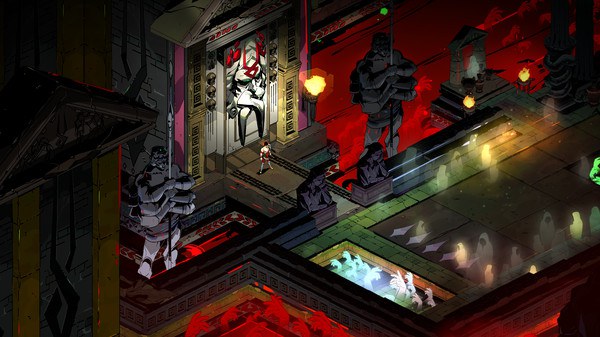
An unfamiliar route or challenge can ask for different preparation, and the game’s official description emphasizes new locations, challenges and upgrade systems across repeated excursions. Instead of treating a failed attempt as a verdict on your skill, identify the first point where your plan stopped matching the threats. Was your chosen action too slow to use safely? Did you spend resources on a short-term gain while a longer objective mattered more? Did you understand what the next encounter demanded? [2]
This is a more useful review than simply labeling a run “good” or “bad.” Record one observed problem and one change to try. For instance, if you rarely use a weapon’s special attack, the next run can deliberately test that move before you invest in a direction that depends on it. A single controlled change makes the next attempt easier to read.
Keep the persistent goal concrete
The game includes permanent upgrades, reagents gathered with tools, familiars and other systems, according to the official Steam overview. Those systems reward attention between attempts, but “make progress” is too broad to guide a choice. Pick a concrete next step: gather a particular material when the opportunity arises, inspect an available upgrade, or develop a relationship if that is the progress you want. [2]
A concrete goal also helps with tradeoffs. If an optional diversion supports the chosen resource or experiment, it has a reason to compete for your time. If it does not, you can pass without feeling that every room must be cleared for its own sake. This is not a claim that one route is optimal; it is a way to make your priorities visible.
Use setbacks as information
Because Hades II’s story and progression are designed to continue through setbacks as well as accomplishments, a failed route can still answer a useful question. The important step is to separate what you learned from what you have not yet confirmed. One attempt may show that a particular approach struggled in a particular encounter; it does not prove that the weapon, boon or route is universally weak. [hadesiiFAQdaily]
After a run, review the two goals you set. Did the immediate experiment produce a clear observation? Did the lasting objective make progress, or did the route prevent it? Choose the next attempt based on that evidence. If the experiment was inconclusive, repeat it with one change. If it answered the question, move to a new one.
A small planning card for the next attempt
Before setting out, write down: the weapon or action you want to understand; one lasting improvement or resource you are working toward; and one signal that would make you change direction. During the attempt, note when the plan no longer fits the room or reward in front of you. Afterward, keep a single sentence about what happened and a single adjustment for next time.
This two-track approach makes each run easier to evaluate. The immediate plan gives combat choices a thread to follow, while the persistent plan stops the larger progression from disappearing behind the next encounter. When they align, the attempt feels focused; when they compete, you can decide consciously which goal matters more today.
Primary work & further reading
Primary work: Hades II. Character and story readings are editorial interpretations. The publisher reference below identifies the work and its premise.