Hades: choose a Keepsake to test one run question
A practical way to choose a Keepsake in Hades: identify the problem you want it to solve, then use the run to learn whether that answer fits your weapon and current build. Treat the choice as a focused experiment, not a promise that one item can repair every weakness.
Coverage: Spoiler-light: discusses general run planning and Keepsakes without story outcomes.
Choose a question before choosing an item
A Keepsake is most useful when its effect answers a problem you can name. Are you entering a run worried about surviving early encounters? Do you want to see whether a particular god’s Boons work well with your weapon? Or are you trying to protect a promising build from a region where mistakes tend to cost health? Starting with the question keeps the cabinet from becoming a list of supposedly mandatory choices.
PlayStation’s Hades guide describes several different roles: the Old Spiked Collar raises base vitality, Skelly’s Lucky Tooth grants a revival once per run, and Dusa’s Harpy Feather Duster gives a chance to find healing items in broken urns. These effects address different situations, so the practical choice depends on what is currently limiting the run. [1]
Separate survival from damage plans
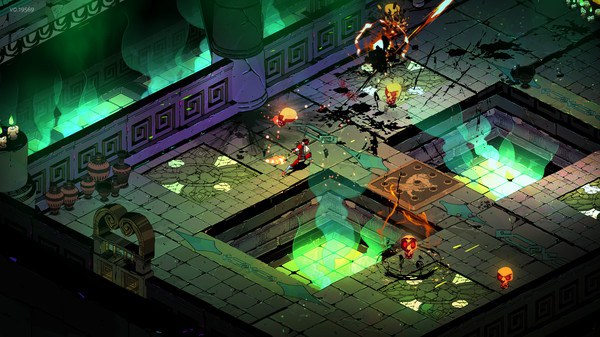
When health is the immediate concern, a defensive Keepsake can create room to learn enemy patterns or reach the next chamber with more resources. But a survival choice is not automatically best when the run already feels secure. In that case, an offensive direction may make the next encounters shorter or help the weapon’s strong move do more work. This is a tradeoff between reducing the cost of mistakes and improving the plan you want to execute.
Use the same logic when considering Boons. PlayStation notes that Athena’s Deflect can protect Zagreus and send projectiles back, while Dionysus’s After Party restores some vitality between chambers. Those examples show how a boon can change the shape of a run. They do not mean those choices are universally superior; how helpful they are depends on your current weapon, health, and the enemies ahead. [1]
Make the Keepsake a small experiment
A useful run is not only a successful clear. It can also answer one question that improves the next attempt. Equip a Keepsake because you want to test a specific idea: whether a defensive opening lets you play more patiently, whether a god’s Boons support your weapon’s Special, or whether a healing effect offsets the damage you tend to take. Keep that question narrow enough to remember after a run ends.
For instance, if you are unsure whether your current trouble comes from taking hits or from fights lasting too long, do not change several variables at once. Try a defensive Keepsake and observe whether you reach later encounters with a healthier reserve. On another attempt, test an offensive direction. This is a simple comparison, not a scientific measurement; room layouts, offered Boons, and enemy behavior vary. The point is to learn which problem deserves attention first.
Let the weapon and run state change your answer
Hades encourages different combinations of weapons and Boons, and its official update notes show how closely individual effects can interact with weapon Aspects. Supergiant’s notes record adjustments involving specific weapon and boon combinations, a reminder that a build is a system of parts rather than a stack of independent upgrades. Choose a Keepsake that supports what you are actually trying to make happen in this attempt, not a familiar build you are not offered. [2]
A Keepsake can also gain levels by completing encounters while it is equipped; PlayStation says each can be leveled up twice to improve its effects. That rewards wearing one for a stretch, but does not require you to keep it if the plan has changed. If the run has already solved its original problem, consider whether another choice would help the next region more. [1]
A simple decision routine
Before leaving the House, name the run’s main risk or goal. Pick one Keepsake whose effect responds to that concern. During the run, notice whether the effect changed the choices you could make: did you preserve health, gain a useful boon direction, or create enough safety to practice a weapon move? If it did not address the actual bottleneck, revise the question next time rather than concluding that the item is bad.
The official Hades update archive also shows that Supergiant continued to tune and clarify Keepsakes, Boons, weapons, and their interactions. That makes it sensible to read the current in-game description as the authority for exact effects, especially when comparing old guides or remembered values. Use the cabinet to explore a tactical idea, then let the run tell you whether that idea was relevant. [2]
Primary work & further reading
Primary work: Hades. Character and story readings are editorial interpretations. The publisher reference below identifies the work and its premise.