Disgaea 7 Item Reincarnation is a tradeoff to plan around
Item Reincarnation makes equipment progression in Disgaea 7 more than a straight climb in level. The system asks you to weigh an item’s developing potential against the practical cost of changing what the item is and how it fits the party.

Coverage: Discusses Disgaea 7 systems without story spoilers.
Treat reincarnation as a project
NIS America’s official guide presents Item Reincarnation as one of Disgaea 7’s leveling systems, alongside the game’s other progression tools. The useful mindset is to treat a candidate item as a project rather than assume that every eligible item should be reincarnated immediately. First identify the equipment slot and character whose needs you are solving. Then ask what you expect the item to do after the change.
This question protects you from confusing novelty with improvement. A transformed item may offer a different direction for growth, but the value depends on the role it must fill and on the material you are willing to invest. Keep a dependable piece for the current battle plan while testing a candidate through the item systems. That small bit of separation makes comparison possible: you can evaluate the new direction without losing the function you already rely on.
Connect item growth to combat roles
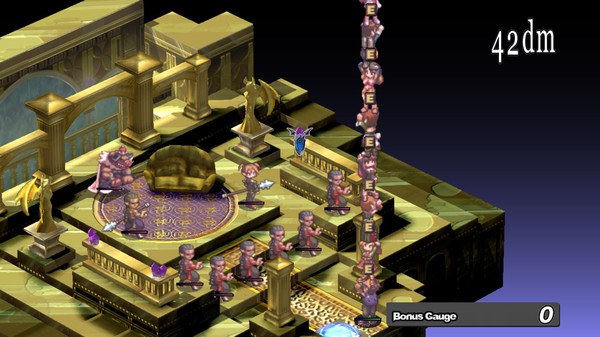
Disgaea 7’s combat guide emphasizes tactical interactions such as lifting, throwing, and team attacks. Equipment decisions work best when they support the way you actually position units and use those interactions. For a unit that must reach a target or carry out a setup action, reliability and survival may matter more than chasing a single impressive number. For a unit whose job is to deliver the finishing blow, a more aggressive choice may be worth considering.
That is not a fixed build prescription. The game lets different parties solve maps in different ways, so the same item can be useful for one plan and awkward for another. Write down the job you need the item to perform before comparing options. If the answer is “help this unit survive the approach,” measure the choice against that job instead of comparing unrelated bonuses in a vacuum.
Use a controlled comparison
A practical test is to choose one candidate and one stable baseline. Record the item’s current role, the unit using it, and the specific reason you are considering reincarnation. After changing it, inspect the resulting item details and use it in a comparable situation. Did the change help the intended task? Did it create a new limitation that affects the unit’s position or contribution? This is an analytical routine, not a claim that one result applies to every map.
Change one variable at a time when you can. If you replace the item, alter the unit’s role, and change the party plan all at once, it becomes difficult to tell which decision mattered. Keeping a baseline also helps you avoid spending resources because of sunk cost: if a candidate does not support its intended use, choose a different plan rather than continuing just because you already invested.
Keep progression reversible in your thinking
Even when a system’s concrete options are limited by the game’s rules, your planning can remain flexible. Keep notes on why an item was changed, and compare its current purpose with the next map’s demands. Disgaea rewards experimentation, but experimentation is easier to learn from when you preserve a point of comparison and avoid treating every system as a mandatory upgrade path.
The official publisher guides establish what the game’s systems are; the decision framework here is an editorial recommendation for organizing those choices. Check the current in-game descriptions for exact requirements and outcomes, especially if playing a different edition or version. Use item progression to make a tactical plan more coherent, not to pursue transformation for its own sake.
Primary work & further reading
Primary work: Disgaea 7. Character and story readings are editorial interpretations. The publisher reference below identifies the work and its premise.