Banana Fish’s Eiji gives its story a view from outside power
A spoiler-labeled character essay on how Eiji Okumura’s position as a Japanese photographer changes the reader’s angle on Ash Lynx’s violent world without making him a simple observer.
Coverage: Spoilers: discusses the series’ central relationship and broad story framing; no ending details.
An outsider can change the scale of a story
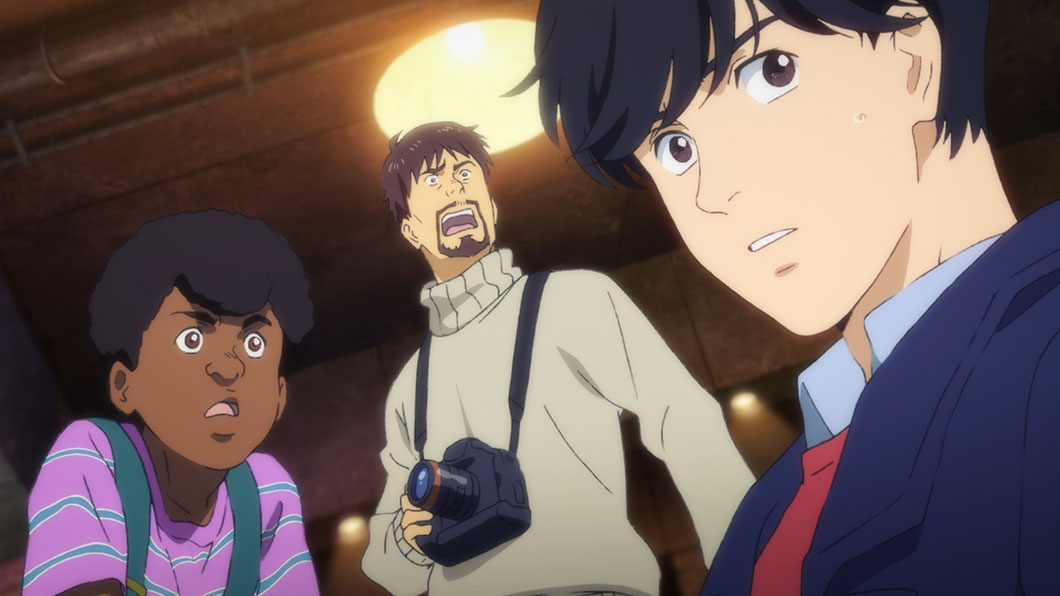
VIZ introduces Eiji Okumura as a young photographer from Japan whose arrival intersects with Ash Lynx’s dangerous world. That setup makes Eiji more than a visitor who needs to be protected: he gives the story a second scale. Ash understands the city through threat, leverage and survival; Eiji’s presence asks what those habits look like to someone whose life has not been organized around the same rules. [1] [2]
This essay reads Eiji’s position as a narrative lens, not as a claim that he is naïve or untouched by events. The contrast is productive because he has his own skill and attention. Photography suggests looking carefully, choosing a frame and carrying a record away. Those actions do not give him control over the danger around him, but they make his way of seeing distinct.
The camera is a way of noticing, not a shield
A photographer’s attention can make a scene legible without making it safe. That difference matters in a thriller whose publisher description foregrounds Ash’s violent circumstances and the secret that draws both boys into danger. Eiji can notice people and moments that a survival-focused world might otherwise treat as background. His gaze is not omniscient, and it cannot undo what he sees. Its value lies in making recognition part of the story’s action. [1]
The character’s profession therefore works as a quiet counterpoint to Ash’s tactical intelligence. One kind of attention searches for the next move; another asks what deserves to be seen and remembered. The manga can let these forms of attention meet without pretending they are interchangeable.
Care is active even when it cannot control events
A common mistake in reading Eiji is to treat kindness as a power that automatically repairs harm. The story’s premise resists that simplification: the danger around Ash is built from forces much larger than one friendship. Eiji’s significance comes from continuing to recognize Ash as a person amid those forces, not from possessing a magic answer to them. That distinction keeps the relationship emotionally serious. [2]
It also gives Eiji agency without turning him into a conventional action hero. He can choose how to respond, what to notice and whether to remain present. Those choices matter, even though they do not place him above the violence or make him responsible for stopping all of it.
Read the contrast without flattening either boy
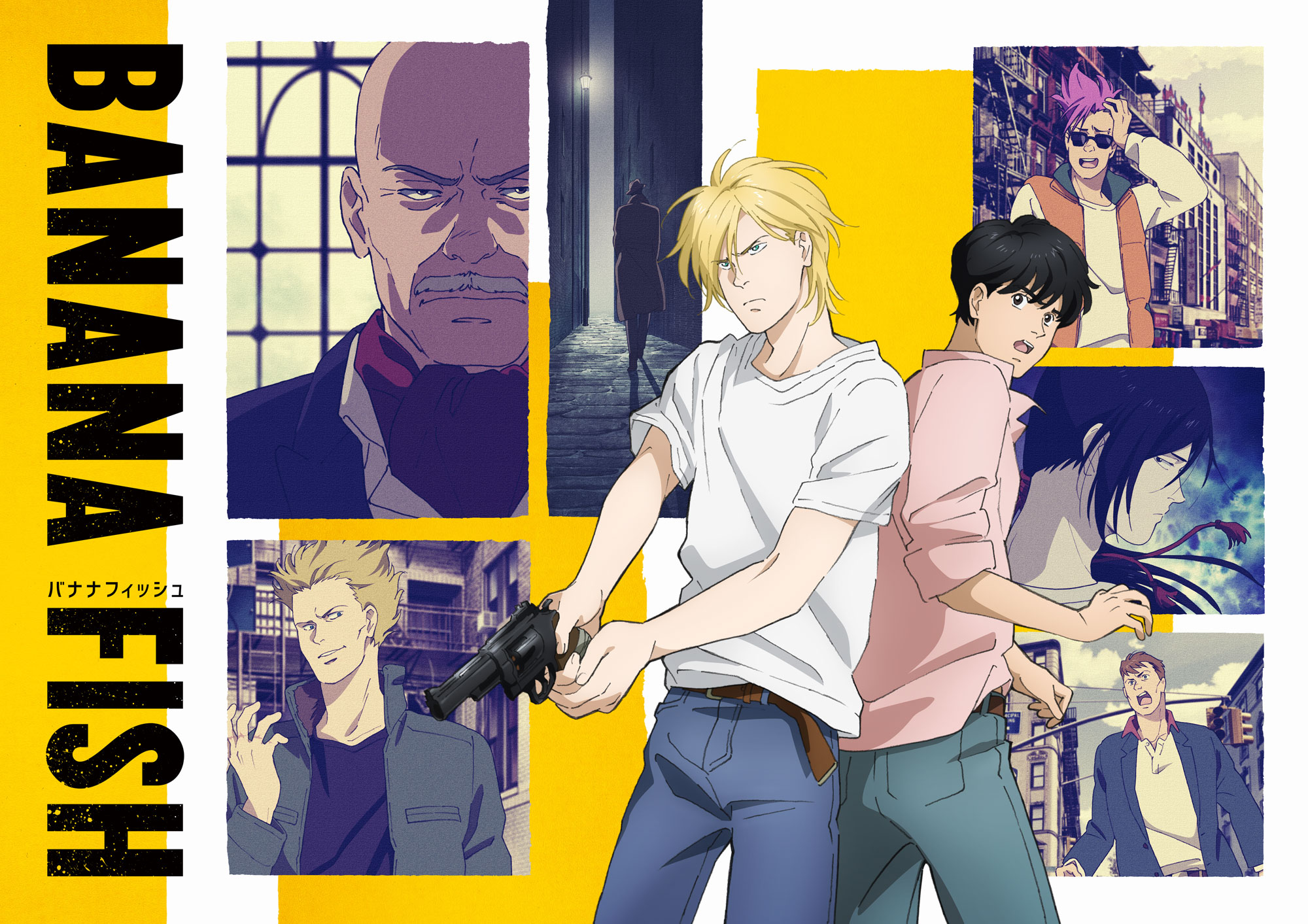
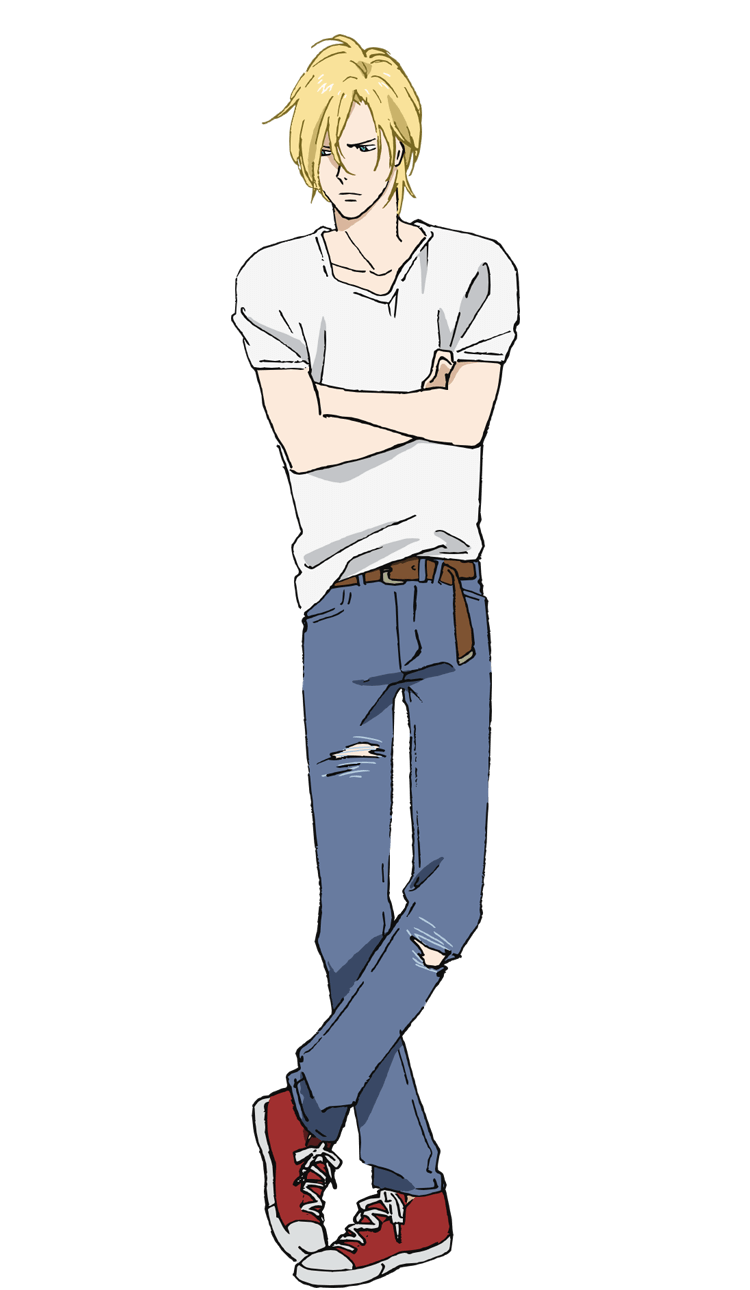
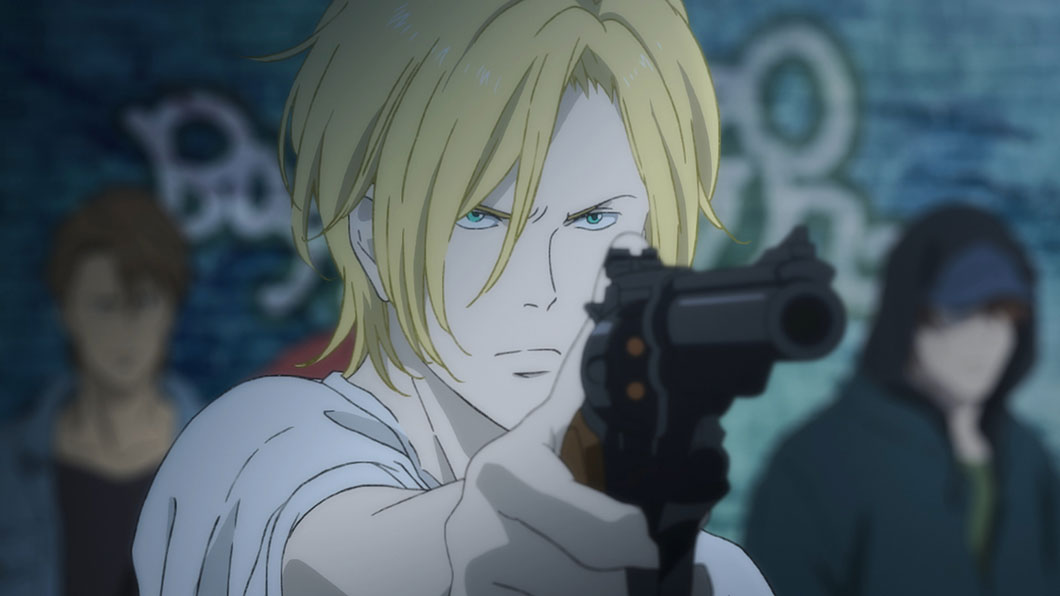
Ash is not only a hardened fighter, and Eiji is not only a moral lesson delivered to him. VIZ’s description presents Ash as a teenager formed by exploitation and danger, while it identifies Eiji through his photography and his unexpected arrival. The contrast gives each character a point of pressure: Ash’s competence can conceal the cost of survival; Eiji’s gentleness can be mistaken for helplessness. A careful reading lets both traits remain complicated. [1]
When revisiting their early scenes, ask who controls the room, who is allowed to look, and who gets treated as a person rather than a resource. This scene-reading method keeps attention on the power relations the series establishes instead of reducing the relationship to a simple opposition between toughness and innocence.
Why the viewpoint matters
Eiji’s role changes the reader’s angle because he brings an attention that is neither detached nor identical to Ash’s. He is involved, but his way of being involved does not begin with command. That gives the story space to examine connection as a form of recognition under pressure. It can be meaningful without being a cure, and vulnerable without being passive.
The result is a character whose quietness carries narrative weight. Eiji’s camera points toward the act of seeing; his presence asks whether a world built around power can still make room for someone to be known outside the use others have for him. That question makes him an active perspective on Banana Fish, not merely a guest in Ash’s story. [2]
Primary work & further reading
Primary work: Banana Fish. Character and story readings are editorial interpretations. The publisher reference below identifies the work and its premise.