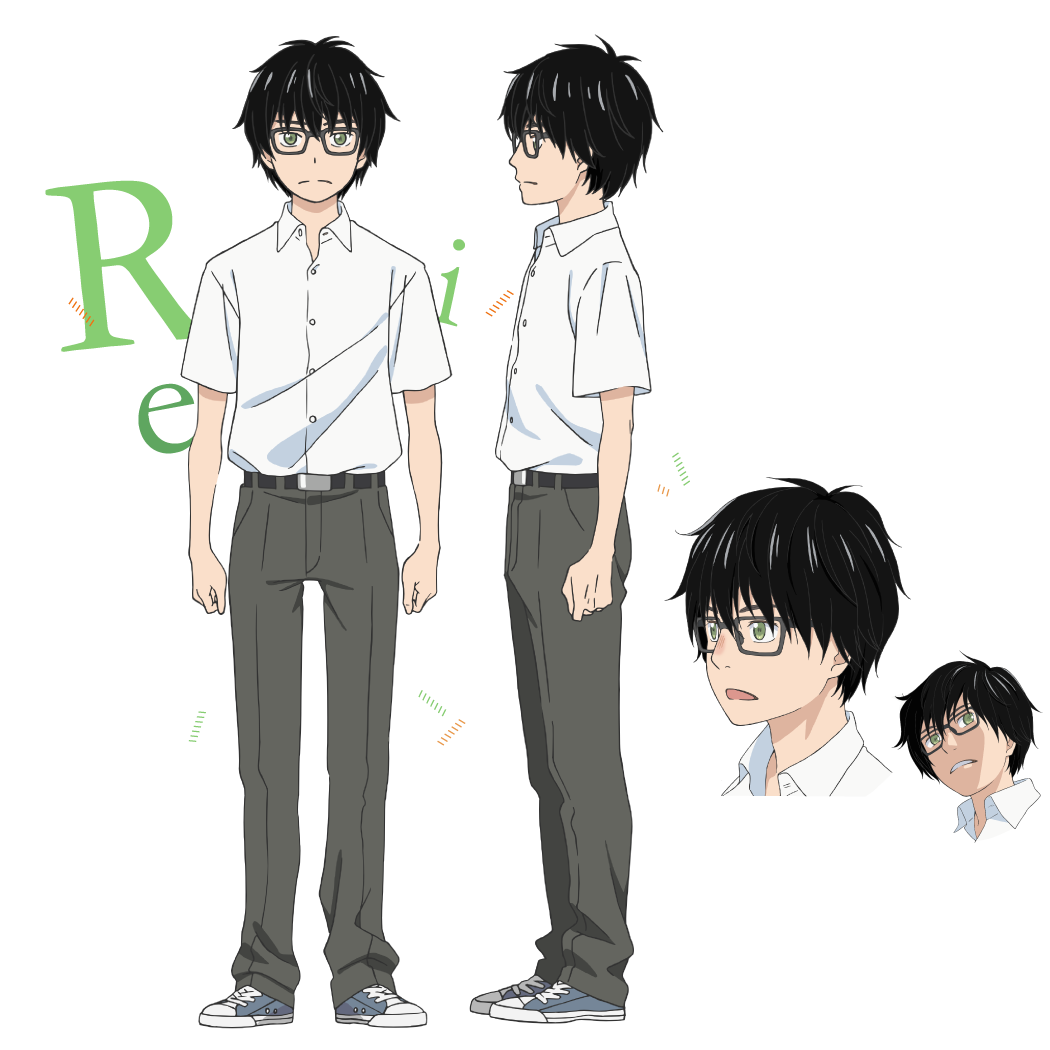
Nikaido's rivalry gives Rei a claim on the future
Nikaido’s insistence on rivalry gives Rei more than an opponent across the shogi board. Their early relationship presses him to recognize that competition can be a form of attention, and that being taken seriously can connect one player’s future to another’s.

Coverage: Covers Nikaido and Rei’s early competitive relationship and Nikaido’s demand to be taken seriously; excludes later health outcomes.
Rivalry begins as a demand for recognition
Nikaido approaches Rei with the force of someone who refuses to let a capable opponent overlook him. His rivalry is not simply a wish to win a game; it is also a demand that Rei recognize him as a serious player. That insistence makes their encounters personal without making them sentimental. Nikaido is not asking to be praised for showing up. He wants the standing that comes from being treated as someone whose presence matters at the board.
For Rei, this creates a relationship with a different texture from solitary practice. A rival directs attention toward him and expects an answer, even if that answer comes through play rather than an intimate conversation. The demand can be uncomfortable, especially for someone inclined to keep his focus narrow. Yet it also gives Rei something to respond to. Nikaido insists that the competition is shared, turning what might be an abstract professional challenge into an encounter between particular people.
A competitive friend refuses to be a symbol
Nikaido’s characterization gains force from his refusal to exist merely as an inspirational figure for Rei. His determination has its own center: he wants to compete, to be regarded as a player, and to pursue the relationship on those terms. That independence keeps the friendship from becoming a one-way lesson. Rei may be affected by Nikaido’s energy, but Nikaido is not present solely to improve Rei’s outlook. Their rivalry belongs to both of them.
The distinction matters because a story about a lonely prodigy could easily make every other character orbit the protagonist’s needs. Nikaido instead brings an agenda of his own. He wants an opponent who will meet him seriously, and the insistence itself is a kind of self-definition. His place in the relationship is active. He names what he wants from Rei, giving their bond a friction that feels more convincing than instant closeness: connection begins with a specific demand, not a vague promise that the two will change each other.
Being challenged interrupts isolation
Rei’s isolation is partly sustained by the ease of treating each day as private business. Nikaido disrupts that habit because he makes another person’s expectations difficult to ignore. A rival can be a source of pressure, but this pressure differs from the impersonal judgment attached to professional standing. Nikaido addresses Rei directly through the fact of their competition. He wants a response from this opponent in particular, which makes Rei’s attention part of a relationship rather than merely a resource for the next match.
That interruption offers no instant cure for Rei’s loneliness. It does, however, change what solitude can mean. If somebody expects to meet him again, the future gains a small point of connection: another contest matters because another person is waiting to take it seriously. The series makes this emotional effect grow from the rivalry’s ordinary demands instead of a grand declaration of friendship. Nikaido’s presence turns competition into an ongoing exchange, giving Rei a reason to imagine the next encounter as something shared.
A future made through return encounters
The title’s idea of a claim on the future fits Nikaido’s role because his rivalry is oriented toward what comes next. He does not treat a single encounter as enough. His insistence asks Rei to imagine continuing: there will be another chance to face one another, and each player will remain responsible for bringing himself to it. That expectation has emotional force precisely because it is practical. The future becomes less abstract when another person has a place in it.
Their early competitive friendship therefore joins recognition to continuity. Nikaido wants to be taken seriously now, and that demand also imagines a relationship lasting beyond the immediate board. Rei is not compelled into effortless intimacy; he is invited into a pattern of return. A rival can press, irritate, and still make the next day feel inhabited by someone else’s expectation. Through Nikaido, the series suggests that a future need not begin with certainty or comfort. It can begin with the promise implicit in taking another player seriously enough to meet him again.
Primary work & further reading
Primary work: March Comes in Like a Lion. Character and story readings are editorial interpretations. The publisher reference below identifies the work and its premise.