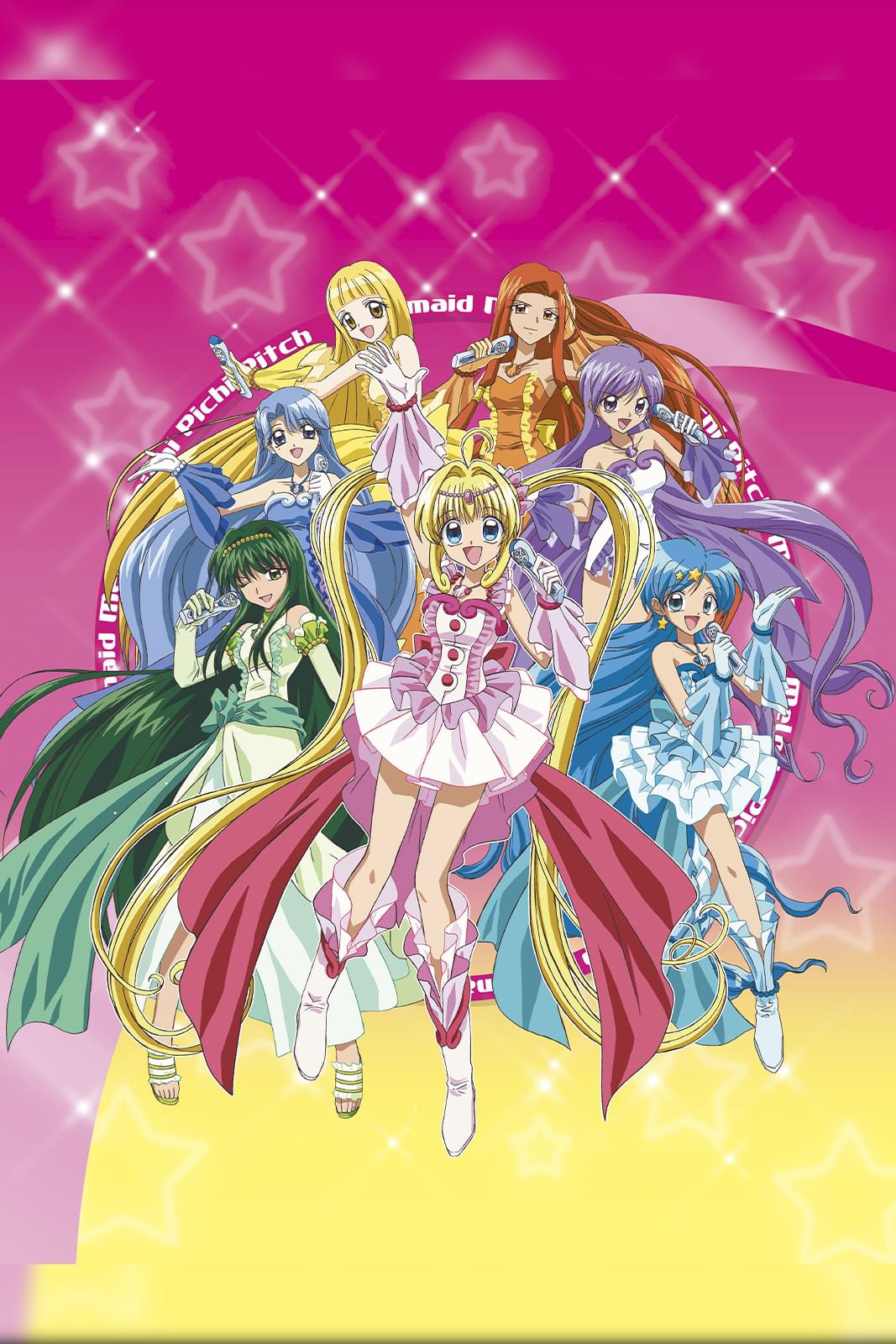
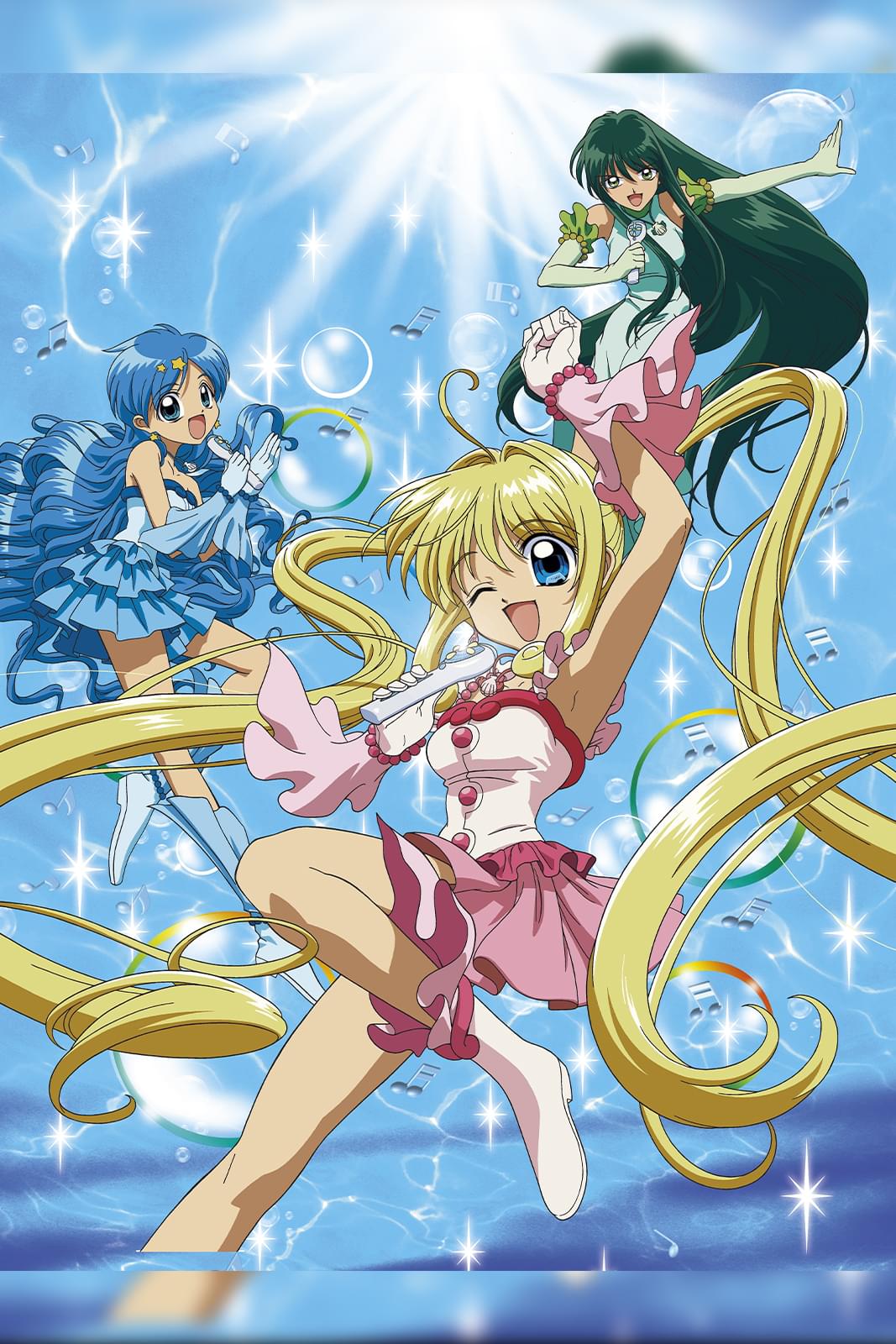
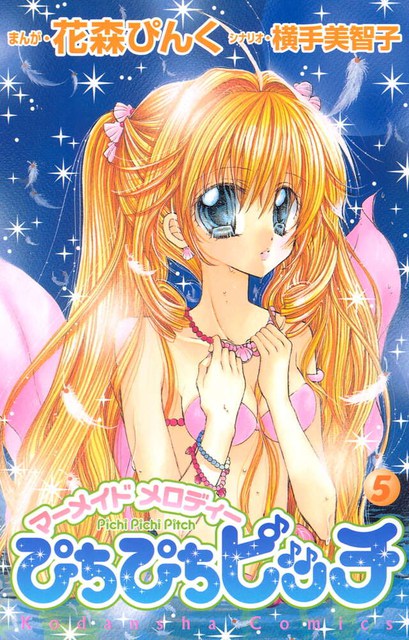
Mermaid Melody: what the anime gains by making you wait through a song
Music gives the adaptation a duration that a printed transformation sequence leaves to the reader.
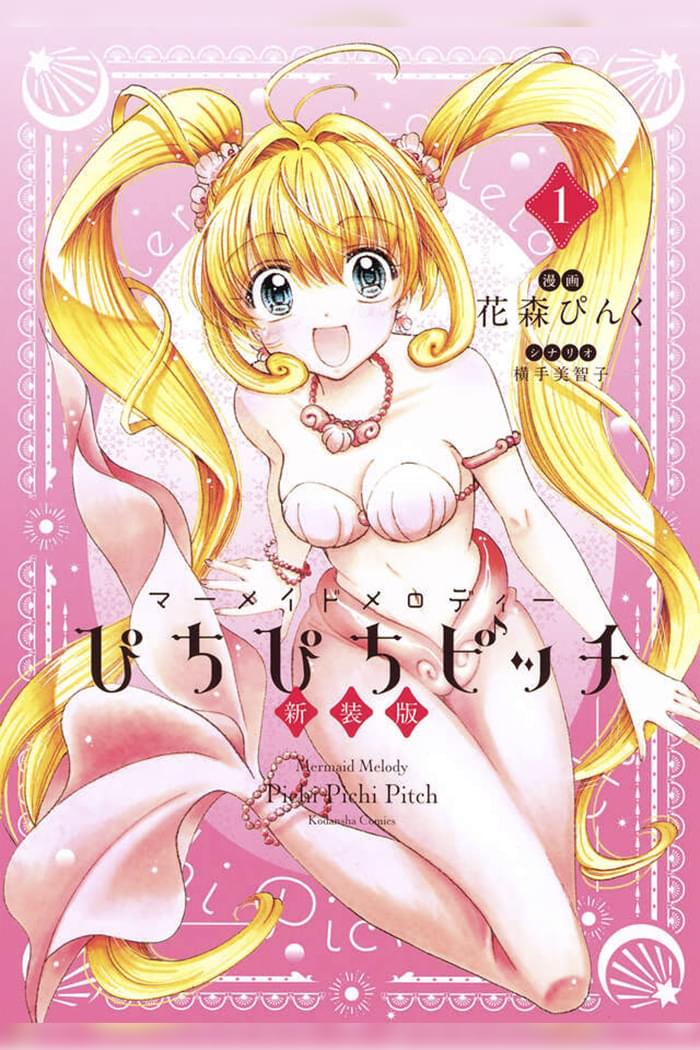
Coverage: Premise and early character setup
The same premise, different time
A printed transformation can be scanned, paused over or reread. An animated performance has a chosen duration. Even when an audience knows where the sequence is going, the episode decides how long anticipation will last.
In Mermaid Melody, that duration can bind an emotional declaration to an action. A song is not only a message represented by dialogue; it occupies the same time as the danger or recognition problem around it.
Repetition can create familiarity
A recurring sequence lets viewers anticipate an entrance, gesture or musical change. The familiarity may make a small variation easier to notice. It can also make a viewer impatient if the surrounding scene does not give the return a new purpose.
Both responses are worth describing concretely. Name the changed situation and the part of the performance that draws your attention. “The scene repeats” identifies a device; it does not yet explain what the device did on that occasion.
Keep editions in the comparison
The original Mermaid Melody and Pure are separate television titles in Kodansha’s official licensing presentation. Use the exact series and episode when making an anime note, and the volume or chapter when referring to the manga.
That small distinction keeps a comparison checkable, especially when a familiar musical sequence makes several episodes blend together in memory.