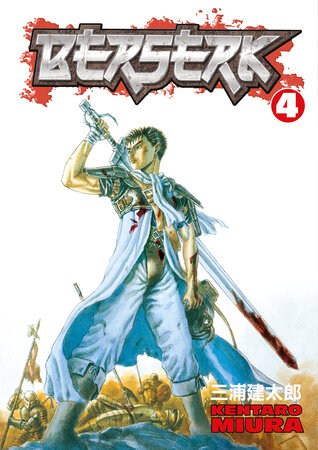
The Golden Age begins with work as well as destiny
The Golden Age’s early chapters ground their large ambitions in the routines of mercenary life. The Band of the Hawk takes shape through roles, shared risk, and the practical labor that makes a company function.
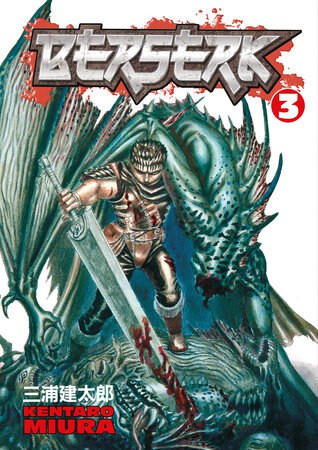
Coverage: Covers the early Golden Age and the Band of the Hawk’s initial structure; excludes major fate spoilers and later revelations.
A company made of tasks
The Golden Age begins to build the Band of the Hawk through the details of work. A mercenary company needs people who can follow orders, hold a position, and respond when plans meet resistance. The group’s identity is not established by a name alone. It becomes visible in the way its members take on different responsibilities and operate together under pressure.
That emphasis gives the Hawks a practical texture. They are not introduced as a fixed symbol of heroic unity, but as a company whose cohesion has to be made useful. A leader’s ambition can point the group toward a larger future, yet daily effectiveness depends on individuals doing particular jobs. The story’s early structure keeps both scales in view: the dream above the company and the work that lets the company survive long enough to pursue it.
Risk is shared unevenly
Mercenary life makes collective identity concrete because danger is shared even when its costs are not identical. The Hawks rely on one another, but reliance does not erase rank or make every person equally secure. The company must act as a unit while its members remain individuals with distinct positions and capacities. That tension is more revealing than a simple portrait of comradeship, because it shows belonging as a relationship shaped by practical need.
The early chapters’ attention to organization also makes leadership visible as a daily function. A commander’s authority matters when the group must move, respond, and hold together. The band’s structure offers protection and purpose, but it also asks its members to accept a role within a larger design. In this world, loyalty is not an abstract sentiment added after the action. It is tested through cooperation under conditions where a mistake can matter.
The dream meets the ground
The Golden Age places the Hawks’ work beside Griffith’s extraordinary ambition. His dream gives the company a direction that ordinary survival cannot provide, making service to him feel connected to a future beyond the next engagement. But the story’s attention to the mercenary world prevents that dream from floating free of material limits. A grand purpose still depends on people who must act together in the present.
That contrast shapes the arc’s early momentum. The Hawks can be drawn toward a horizon while remaining a working organization, bound by orders, risk, and shared effort. The dream enlarges the meaning of their labor, but it does not replace the labor. By keeping both in the frame, the story suggests that history is made not only by those who imagine a future, but also by the people whose repeated work makes that future seem possible.
Belonging through participation
The Band of the Hawk’s early structure makes belonging active. A person belongs by taking part in the company’s risks and accepting the obligations that come with its organization. That model is more demanding than simple fellowship, yet it also explains the group’s appeal. The Hawks offer members a place in something coherent, where their efforts can contribute to an outcome larger than individual survival.
The Golden Age therefore starts with work as well as destiny because the practical and the grand depend on each other. Griffith’s ambition gives the company a compelling direction; its members’ participation gives that ambition a form in the world. This does not make the relationship uncomplicated, or turn the Hawks into a frictionless ideal. It makes their early bond legible as an achievement built through shared action: belonging becomes real when people do the work of being part of the same company.
Primary work & further reading
Primary work: Berserk. Character and story readings are editorial interpretations. The publisher reference below identifies the work and its premise.