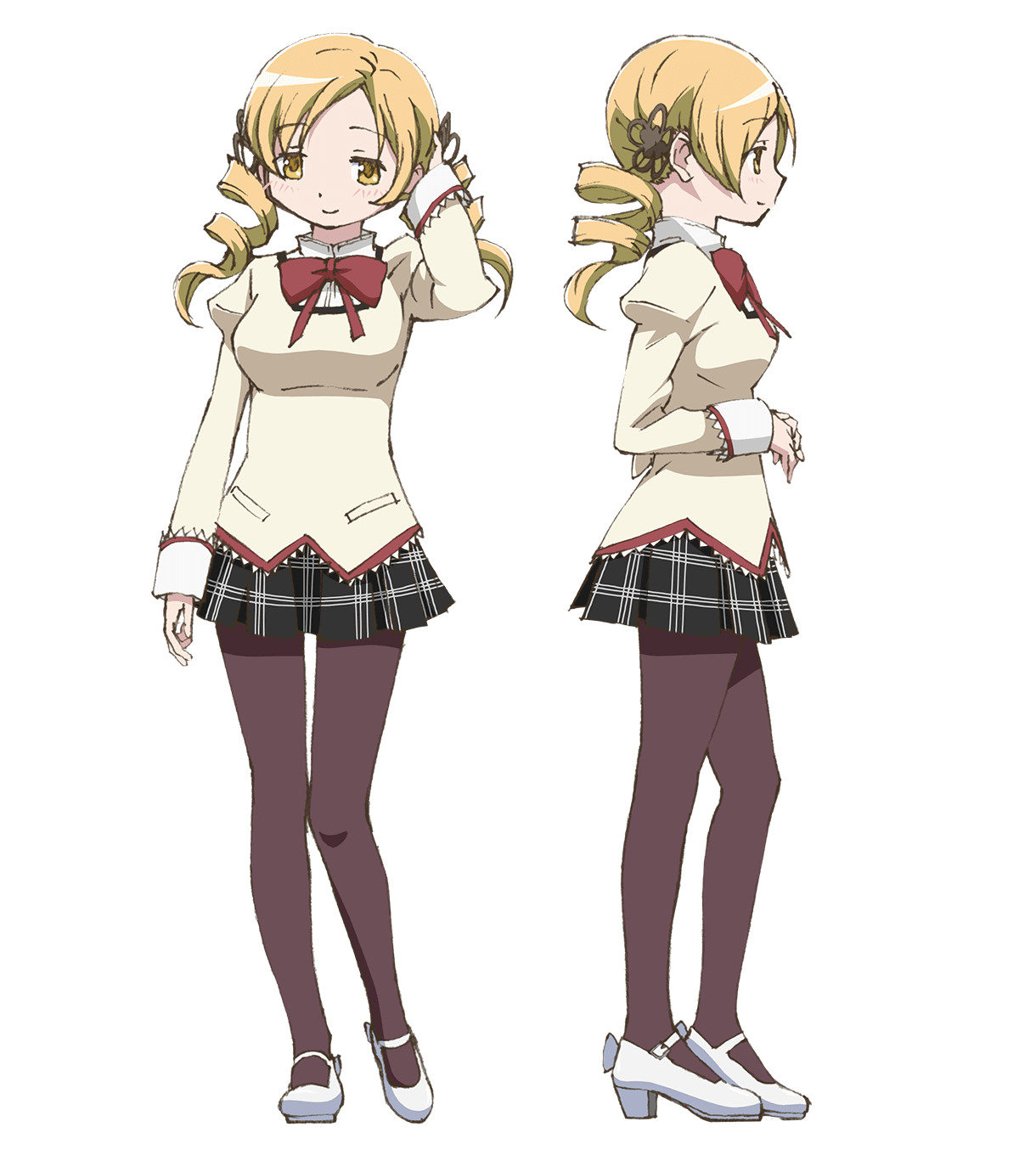
Madoka hasn't made her wish yet
In the opening two episodes, Madoka’s uncertainty is more than reluctance to accept a magical power. It becomes the story’s way of asking what a wish costs, and who gets to define a good choice.

Coverage: Covers episodes 1–2 only, including the magical-girl offer, without later developments.
An offer that turns uncertainty into a decision
Madoka’s first response to the possibility of becoming a magical girl is not a simple yes or no. The offer arrives through Kyubey, whose small, appealing presence makes an extraordinary bargain sound almost approachable. A wish in exchange for fighting witches: the terms seem to promise agency, but they also ask a fourteen-year-old to make a consequential choice before she has learned what the work entails.
That imbalance gives Madoka’s pause its weight. She wants to help, and the people around her make clear that a magical girl can save others. Yet the promise of usefulness does not erase the danger she sees. The story treats hesitation as attention to the gap between the attractive premise and its undisclosed costs. Madoka is listening to the offer while also registering that she does not know enough to consent confidently.
Wishes reveal what a person values
A wish is presented as intensely personal: it gives a magical girl the chance to ask for something she wants. That freedom sounds generous, but it makes the choice difficult in a particular way. Madoka cannot treat the wish as a button marked “good”; she would have to decide what matters enough to ask for, and what she is prepared to attach to that desire.
Mami has already entered that bargain and can explain the work, while Madoka and Sayaka are still deciding what they could wish for. Her confidence gives the offer a practical shape without making either girl’s decision for her. Madoka can listen and watch, but Mami’s willingness to fight cannot supply Madoka with a wish of her own. In these two episodes, the contrast is between an experienced magical girl and two prospective recruits whose desires remain unsettled.
Watching is a form of participation
Madoka’s role in the opening action is often to observe. She follows events she cannot control, takes in Mami’s practiced response to danger, and sees Sayaka drawn toward the decision in her own way. This can make Madoka appear passive beside characters who act decisively. But the framing gives her attention an active function: she notices how the offer feels, what the danger looks like, and how differently people respond to the same situation.
Her uncertainty is also relational. Madoka does not consider a wish in isolation, as if choosing were only a private matter of ambition. The potential to protect people matters to her, as does the possibility of harm. By allowing her to watch before she commits, the story makes room for moral perception to precede action. A choice that affects others deserves more than reflexive eagerness, even when the chance to help is real.
The story lets a pause hold its ground
The opening two episodes do not ask the audience to mistake caution for cowardice. Madoka’s reluctance coexists with compassion; indeed, her concern for other people is part of what makes the offer hard to assess. If a wish could make her useful, that possibility presses on her. If the work carries danger, she cannot ignore it merely because helping sounds noble.
That tension is the center of her opening arc. The magical-girl offer creates urgency, but Madoka’s hesitation keeps the decision human-sized: a wish must belong to the person who makes it, and understanding cannot be supplied by someone else’s confidence. In these episodes, waiting is not an escape from choosing. It is Madoka’s way of taking the choice seriously, and the story’s way of insisting that kindness includes care for the chooser, too.
Primary work & further reading
Primary work: Puella Magi Madoka Magica. Character and story readings are editorial interpretations. The publisher reference below identifies the work and its premise.