Chainsaw Man’s Reze Arc cinema live keeps the film and score in dialogue
The November 13 Cinema Live announcement pairs a full screening of Chainsaw Man — The Movie: Reze Arc with a new live arrangement and a short performance by composer Kensuke Ushio. The format makes the score a visible event while preserving the film as the evening’s narrative spine.
Coverage: Spoiler-light; discusses the official live-screening format and public event details without story outcomes.
A screening becomes a performance format
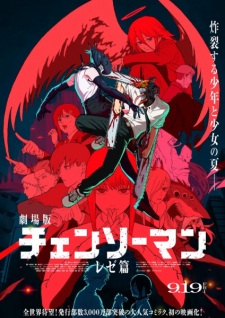
On November 13, the official Chainsaw Man site announced a new visual, promotional video, musician lineup, and advance ticket lottery for Cinema Live 2027, an event built around Chainsaw Man — The Movie: Reze Arc. The official event page describes a full screening accompanied by live performance in arrangements created for the event, plus a shorter live set by electronic musician Kensuke Ushio, who composed the film’s score. The announcement is the recent development; the performances themselves are scheduled for February 13 and 14, 2027. [1] [2]
That format sits between a cinema screening and a standalone concert. The film remains a complete visual narrative, shown on a large screen, while live musicians perform alongside it. The event page also advertises Ushio’s condensed short live set. This arrangement gives the music a place in the room as a performed presence, rather than leaving it only as an accompanying track in a finished film mix. It does not replace the movie with a concert or promise an alternate cut; it asks viewers to experience image and music together under a different production setup. [2]
The score can be heard as structure
A film score does more than decorate a scene. It helps connect changes in pace, focus, and emotional temperature across an edit. In ordinary playback, the score is carefully synchronized to the film and generally heard as part of its completed soundtrack. Live performance foregrounds the fact that music is being made in real time. That can invite a different kind of attention: viewers may notice timing, repetition, or shifts in intensity while still following the same scenes. This is an interpretive possibility created by the format, not a report of how the event will sound in practice.
The event announcement describes a new arrangement combining strings and band sound, and the event site says the full film will be screened with live music. Those facts leave room for an audience to compare the live arrangement with its memory of the recorded score. The production has not published a full set list or a scene-by-scene arrangement, so it would be premature to say which moments will be expanded or changed. The useful point is narrower: the event is designed to make the relationship between the moving image and its music a central part of attending. [3] [2]
The movie remains the shared reference point
Because the entire movie is part of the event description, the film itself provides the evening’s common structure. The audience can follow the same sequence of images while hearing a performance shaped for that occasion. This is different from a soundtrack concert that selects songs and asks listeners to supply their own memories of the scenes. Here, the visual narrative remains present, so the music can be considered in relation to what is happening on screen. The format builds a bridge between revisiting a story and attending a live music event. [2]
That shared reference point also makes the event legible to different kinds of fans. A viewer drawn primarily to the movie has the film as a continuous experience; a listener interested in Ushio’s music has live performance and the short set; someone invested in both can move between those modes. None of those routes guarantees a particular emotional reaction, and the organizers have not described the concert as changing the story. They do promise a screening, new arrangements, and a composer-led short performance. That is enough to distinguish it from a routine re-release without adding details that have not been announced.
Check the schedule as an event, not a release date
The official site lists three performances at Pacifico Yokohama National Convention Hall: a matinee and evening show on February 13, then a matinee on February 14. The initial advance ticket lottery opened on November 13 and is listed through November 23 at 23:59 Japan time. The same page notes that show content may change and that tickets require a smartphone application. These details matter for planning, but they should be kept separate from the film’s release history or any claim that the live event has already happened. [2]
The event’s central idea is a useful extension of anime-film presentation: preserve the screen narrative while letting the score occupy a physical performance space. It treats a soundtrack as both a designed recording and something musicians can interpret together in the moment. Until the event takes place, claims about the performance’s exact sound or audience response remain open. What is already confirmed is the format, venue, dates, and announced ticket process. That gives fans a clear basis for deciding whether they want to revisit the film as a communal screening with live music.
Primary work & further reading
Primary work: Chainsaw Man — The Movie: Reze Arc. Character and story readings are editorial interpretations. The publisher reference below identifies the work and its premise.