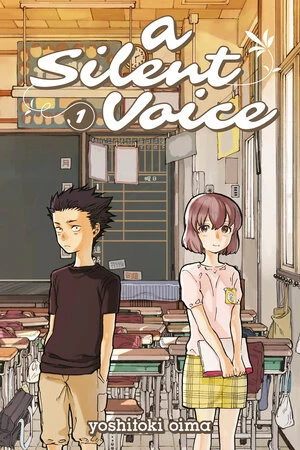
A Silent Voice draws exclusion through space between people
In the manga, distance is not just what separates Shoya and Shoko; it is part of how their world is organized. Page framing, faces, and barriers make social isolation visible without turning exclusion into a spectacle.
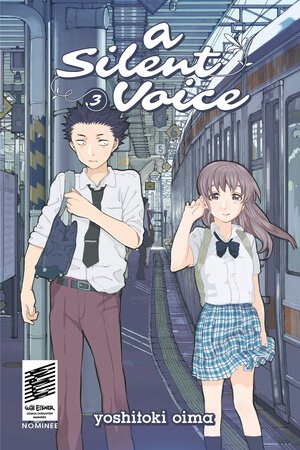
Coverage: Discusses visual framing and the opening school setup through Shoya’s first attempts to reconnect with Shoko; avoids later plot developments.
Distance turns isolation into a shape
A Silent Voice often makes the space between people carry as much meaning as their expressions. Shoko may be physically present among classmates, yet the arrangement of a social scene can make presence feel different from belonging. The page can place bodies within the same setting while leaving the relationships between them uncertain or strained. That distinction helps explain why the story’s bullying cannot be reduced to one dramatic confrontation: exclusion accumulates in the ordinary distances a group allows to persist.
Shoya’s point of view adds another layer to that space. The manga is closely tied to his experience, so the people around him can seem inaccessible even when they are near. This visual separation does not excuse his earlier behavior; it shows how isolation can shape his perception while he remains responsible for what he does. By making social distance part of the page’s organization, the manga gives readers a way to feel the gap without treating it as a mysterious force beyond the characters’ choices.
Barriers are built through attention
The manga’s visual storytelling also directs attention toward who is acknowledged and who is overlooked. A face, a gesture, or a place in a group can become important because the page asks the reader to look where the characters do not. This gap between readerly attention and the group’s attention makes exclusion legible. Shoko’s presence is not invisible to the audience, even when classmates fail to respond to her as a full participant. The drawing can hold her in view while showing how little the surrounding social scene makes room for her.
That approach avoids making visual distance a simple code for goodness or cruelty. A character can be close by and still fail to meet another person with care; a gap can signal discomfort without explaining its cause by itself. The meaning develops through context, especially the repeated contrast between being physically together and communicating successfully. The manga’s panels encourage readers to examine the social arrangement rather than search for a single emblem that explains everything. Space becomes an effect of interaction, not a substitute for it.
The page slows down reconnection
When Shoya begins trying to reconnect with Shoko, the visual rhythm makes the effort feel tentative. Their contact has to cross a history that neither a shared location nor a spoken intention can erase. The manga can let a pause occupy attention, giving a reader time to register the vulnerability of an attempt before moving on. That pacing suits a story in which the act of approaching someone does not guarantee that the approach will be welcomed or understood.
The notebook further changes the visual terms of encounter. Communication is given a place on the page, a surface that must be attended to rather than passed over in the speed of conversation. This is a specifically manga effect: the reader moves through written exchanges as part of the page’s sequence, with time shaped by reading and turning. It does not make the notebook a magical bridge. Instead, its presence shows the work involved in meeting across different communication habits and a history of harm.
Composition refuses an easy reset
Because the manga keeps distance visible, it resists the idea that a reunion can instantly return the characters to a neutral starting point. The old classroom relationships have left marks on how people approach one another. Even a sincere attempt arrives inside a social arrangement already shaped by earlier choices. Framing can preserve that pressure without adding explanatory narration: a scene’s composition lets readers feel how much remains unsettled around a small gesture.
The result is a visual argument about accountability. Exclusion is not merely an inward feeling that one character carries; it is also created by how groups look, listen, and leave room. A Silent Voice’s pages repeatedly make that social space something readers can inspect. When Shoya tries to close the gap, the manga does not declare it gone. It asks what kinds of attention and conduct might change the space over time. The drawings make the distance visible, while the characters’ choices keep responsibility human and specific.
Primary work & further reading
Primary work: A Silent Voice. Character and story readings are editorial interpretations. The publisher reference below identifies the work and its premise.