Shinji Ikari arrives at NERV without an easy choice
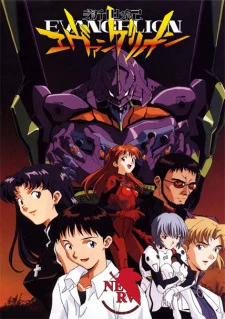
Shinji arrives expecting a father’s recognition and finds a machine, a wounded girl, and an order he does not know how to refuse. The episode makes piloting feel less like heroism than pressure made visible.
Coverage: First TV episode only; covers Shinji’s summons to NERV and his first deployment, with no later cosmology or ending details.
A summons that offers no real choice
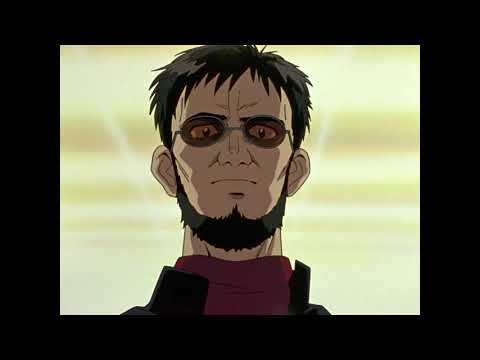
Shinji’s arrival at NERV begins as an appeal to family, but the meeting quickly becomes a demand. Gendo summons his son after years apart, and the setting supplies no room for a private reunion: the underground headquarters is built around emergency, hierarchy, and machinery. Shinji is not asked what he wants from his father or what he has made of the separation. He is shown the Eva and told what is required.
That distinction makes the order frightening. Shinji can technically refuse, yet the episode surrounds refusal with consequences before he can weigh it. The Angel is advancing; the organization is already mobilized; everyone present seems to know the crisis’s scale except him. His choice is framed as personal even though the pressure is collective. The language of consent survives, but the conditions for a free decision do not.
Rei’s injury turns the order into a test
The sight of Rei, visibly hurt and brought forward as the alternative pilot, changes the demand from abstract duty to immediate moral pressure. Shinji has little basis for understanding her situation. He can see that she is injured, while the adults around him treat the possibility of sending her out again as operationally available. Her presence makes the cost of saying no legible without explaining the larger institution.
This is not the same as a clean heroic choice to protect a friend. Shinji and Rei are strangers, and the episode gives him no time to build trust. The image instead puts an injured person beside a boy being asked to take her place. Shinji’s hesitation reads as fear, but it also registers the cruelty of being made responsible for a decision that adults have already narrowed. The scene makes the system’s coercion visible through the body it has prepared to use.
The Eva makes obedience physical
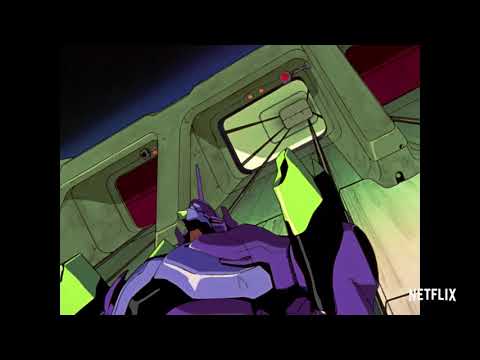
The Eva’s scale overwhelms Shinji before he can claim it as his own. A pilot is not simply handed a tool and allowed to act; the machine requires a specialized body in a controlled environment, surrounded by staff and procedure. The cockpit isolates him even as the command center watches. That arrangement turns obedience into a physical experience: Shinji is placed inside something immense, while other people direct what happens from outside.
The episode’s sudden violence sharpens the contrast between the apparatus and the boy. Shinji enters without the confidence of someone who has trained for a public test of courage. His body reacts to danger before he can make a composed declaration about duty. The Eva may be the only available defense, but the scene does not let its size or power make the assignment feel empowering. The machine magnifies the gap between the institution’s need and the pilot’s readiness.
The launch cannot make the summons kind
Shinji’s agreement matters because an emergency cannot create unpressured consent. Before the launch, he has almost no time to understand either the enemy or the machinery, and the adults organizing his deployment have already made refusal feel costly. His willingness to climb into the cockpit may show courage, but courage does not make the pressure disappear. Episode one ends by sending him into danger; it has already made the terms of that decision troubling.
Shinji’s first act as a pilot is therefore not a simple passage into heroism. It is an encounter with an authority that makes obedience appear necessary, then leaves a child to carry the bodily risk. By focusing on the summons, Rei’s injury, and the cockpit’s isolation, the episode asks what a command can conceal behind the language of duty. The answer is uncomfortable: a person can act bravely and still have been pressured into acting.
Primary work & further reading
Primary work: Neon Genesis Evangelion. Character and story readings are editorial interpretations. The publisher reference below identifies the work and its premise.